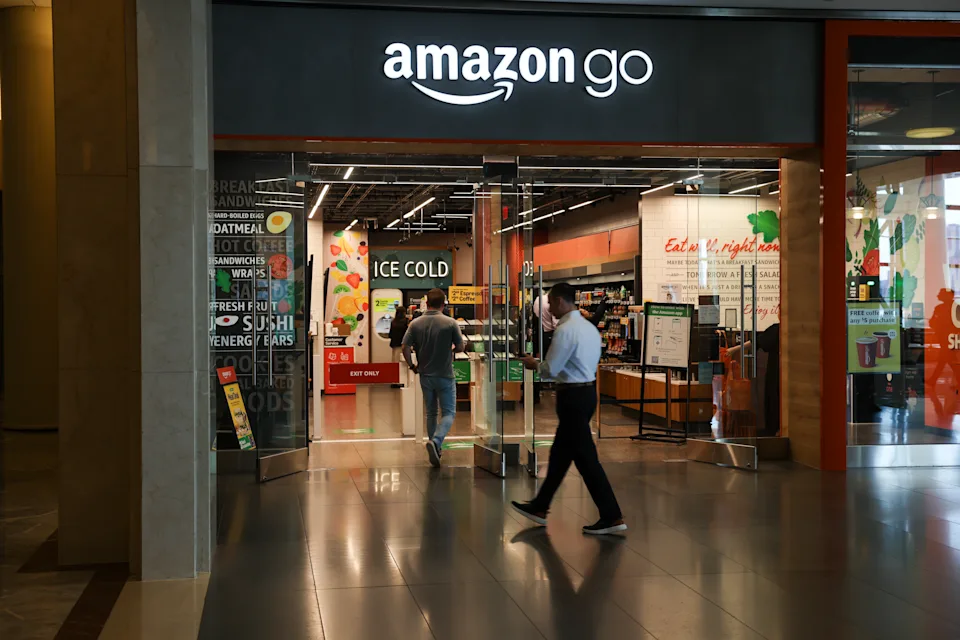
Amazon is shutting down its entire fleet of Amazon Fresh grocery stores and Amazon Go convenience locations in the United States, shifting its grocery strategy toward online delivery and expanding its Whole Foods Market footprint. The move affects 57 Amazon Fresh and 15 Amazon Go stores, marking the end of a high-profile retail experiment as the company doubles down on areas that drive stronger growth and customer demand. Customers can still shop for groceries online for same-day delivery in many cities, while select locations will be converted into Whole Foods Market stores. This shift points to Amazon’s broader retail refocus and reflects changing consumer habits.
Who, What, Why, Impact & Why This Matters Now
In a major strategic pivot, Amazon is closing all of its brick-and-mortar Amazon Fresh and Amazon Go grocery stores by February 1, 2026, with some exceptions in California due to labor laws that keep those outlets open slightly longer. The closures come because these store formats failed to deliver a clear customer experience and sustainable economic model at the scale Amazon requires. While customers will still be able to order groceries online through Amazon Fresh and enjoy fast delivery in thousands of cities, the company is choosing to invest more heavily in expanding its Whole Foods Market stores and same-day delivery services. This matters now because it highlights a profound shift in how Americans buy everyday essentials — with a growing preference for online grocery shopping and delivery over traditional in-store experiences.
What Amazon’s Grocery Shakeup Entails
Amazon’s grocery efforts have evolved over nearly two decades, beginning with online grocery services and later moving into physical stores with Amazon Fresh and automated Amazon Go outlets. The Fresh stores carried full grocery selections, while Go locations focused on convenience items using cashierless “Just Walk Out” technology. Despite initial excitement, the physical stores struggled to compete with established grocery players and meet Amazon’s internal expectations. In its announcement, Amazon said it did not achieve the kind of distinctive experience or economic performance needed for scaling these formats nationwide.
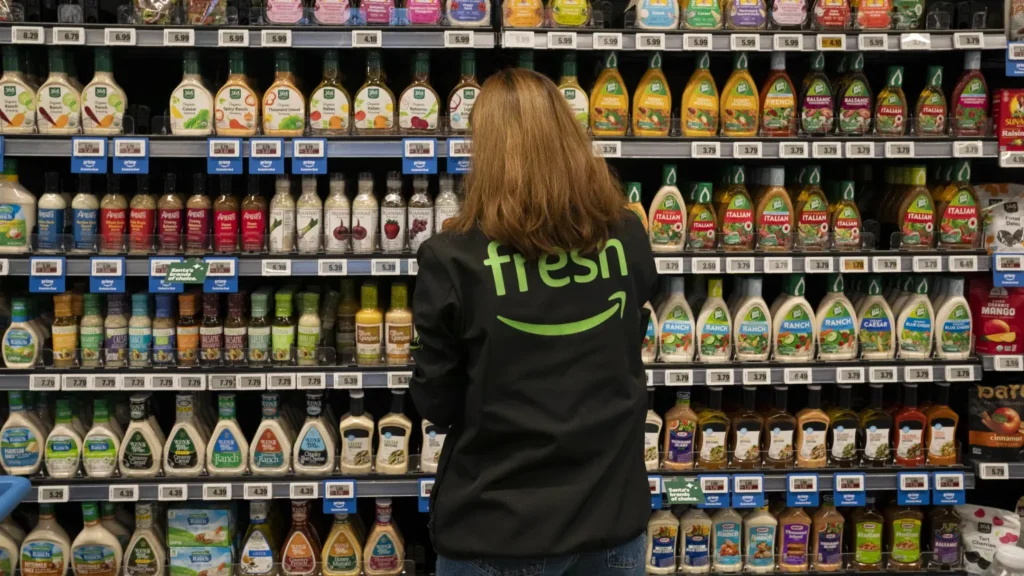
As part of the transition, Amazon plans to convert a number of the shuttered Fresh and Go locations into Whole Foods Market stores, integrate grocery operations into existing retail footprints, and introduce new, innovative retail concepts. Amazon will also push forward with a proposed “supercenter” format that blends groceries, household items, and general merchandise under one roof. The company’s pivot does not mean a retreat from grocery — rather, it signals a reallocation of resources to areas with proven traction.
Why This Strategic Shift Matters
Amazon’s decision reflects broader retail and consumer trends. Grocery is one of the largest retail categories in the United States, with Americans spending over $1 trillion annually. But winning a consistent share in this market requires a combination of convenience, price, and customer loyalty. Amazon found that its Fresh and Go stores were not resonating as strongly as hoped with shoppers and lacked the operational economics needed to justify rapid expansion.
Meanwhile, online grocery delivery has grown rapidly — accelerated by changes in shopping behavior after the pandemic. Millions of customers now expect fast, reliable delivery for fresh food and everyday essentials. Amazon’s investment in online delivery capabilities, including same-day options in over 5,000 U.S. cities and towns, positions it to capture more of that demand than physical Fresh stores could.
Impact on Customers, Employees, and the Retail Landscape
For customers who enjoyed shopping in Amazon Fresh or Go locations, the closures mean fewer physical options for grocery shopping under the Amazon brand. However, online grocery delivery and expanded Whole Foods Market locations will offer alternatives that may be more convenient for many. Amazon’s ramped-up delivery services allow customers to order fresh produce, pantry staples, and everyday essentials from their phones or computers, with many deliveries arriving the same day.
Employees working at Fresh and Go stores face uncertainty, but Amazon has indicated that it will work to find new roles for affected staff within its wider operations network. Still, the scale of the closures suggests that some job losses or relocations will occur as part of the transition.
The closures also impact the broader retail industry. Competitors like Walmart and Kroger, with thousands of physical stores nationwide, maintain strong grocery footprints that drew customers away from Amazon’s smaller network of Fresh locations. Retail analysts say this moment illustrates the intense competition in grocery, the importance of flexible online offerings, and the rising cost pressures of operating physical stores in multiple markets.
How Amazon Plans to Grow Grocery Going Forward
Despite closing Fresh and Go stores, Amazon isn’t leaving the grocery sector. The company plans to open more than 100 new Whole Foods Market stores over the next few years, including smaller “Daily Shop” formats tailored to convenience and quick-grab shopping. Whole Foods has shown strong sales growth since Amazon acquired the chain in 2017, expanding to over 550 locations nationwide.
In addition to store expansion, Amazon is enhancing its grocery delivery service, integrating products from Whole Foods and Amazon’s private labels into online shopping experiences. The continued licensing of Just Walk Out technology to third-party retailers and the development of innovative store formats also signal Amazon’s long-term interest in experimenting with physical retail models that could resonate better with shoppers.
What This Means for the Future of Grocery and Retail
Amazon’s pivot underscores a pivotal moment in grocery retail. Retailers that can combine physical presence with seamless digital ordering and fast delivery are the ones best positioned for future growth. Amazon’s decision to focus on delivery and stronger brands like Whole Foods reflects an understanding that modern consumers value speed, convenience, and integrated experiences across channels.
As consumer behavior continues to evolve, legacy retailers and online giants alike will need to innovate to stay relevant. For Amazon, betting on delivery and its strongest retail brand may help it capture a larger share of the grocery market in the years ahead. Retailers and shoppers alike will be watching closely as these changes unfold.
Subscribe to trusted news sites like USnewsSphere.com for continuous updates.