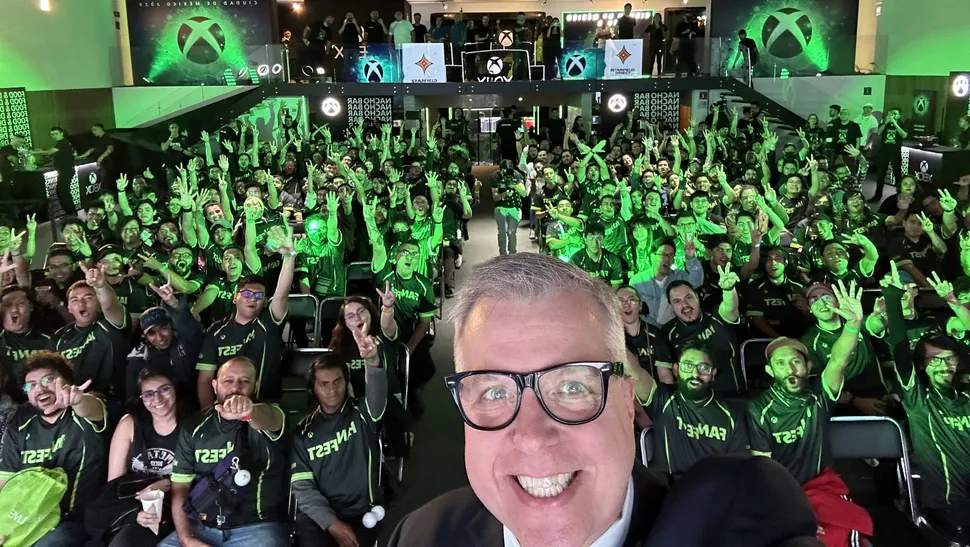
Larry Hryb’s layoff news has sent a wave of concern across the global gaming community, as the longtime Xbox personality widely known as Major Nelson was reportedly laid off from Unity less than two years after joining the company. Larry Hryb’s layoff is not just another corporate staffing change—it reflects deeper instability across the gaming and tech industries at a time when studios, platforms, and developers are struggling to adapt to economic pressure, restructuring, and shifting business models.
Larry Hryb, better known to millions of gamers as Major Nelson, became one of the most recognizable voices of Xbox over nearly two decades. His sudden exit from Unity has sparked intense discussion across social media, developer forums, and gaming news platforms, raising questions about Unity’s direction, the state of the game engine market, and the broader future of gaming jobs.
Who Is Larry Hryb and Why His Exit Matters
Larry Hryb is not a typical tech executive. For years, he served as the public-facing ambassador for Xbox, building trust between Microsoft and its gaming audience. As Major Nelson, Hryb became synonymous with transparency, community engagement, and gamer-first communication—qualities that helped shape Xbox’s brand identity during intense competition with PlayStation and Nintendo.
When Hryb announced his departure from Xbox in 2023, many in the industry saw it as the end of an era. His move to Unity was viewed as a major win for the engine maker, which was seeking to rebuild trust with developers after several controversial business decisions.
Hryb’s role at Unity focused heavily on developer relations and community strategy—areas where his experience was unmatched. That’s why his layoff carries symbolic weight far beyond a single job loss.
What Happened at Unity Behind the Scenes
Unity has faced sustained turbulence over the last two years. While the company remains one of the most widely used game engines in the world, especially among indie developers and mobile studios, it has struggled with profitability, leadership changes, and developer backlash.
The most damaging moment came with Unity’s attempted runtime fee model, which sparked outrage across the gaming industry. Developers accused Unity of changing terms retroactively and undermining trust. Although the company later walked back parts of the policy, the damage to its reputation lingered.
Hryb joined Unity during this rebuilding phase, aiming to restore confidence and strengthen relationships with creators. However, ongoing financial pressure and multiple rounds of layoffs suggest that Unity’s internal restructuring is far from over. His layoff appears to be part of broader cost-cutting measures rather than a reflection of performance.
Why the Larry Hryb Layoff Is a Big Deal for Developers
For developers, Larry Hryb represented a bridge between corporate leadership and real-world creators. His credibility came from years of listening to gamers, advocating for transparency, and communicating clearly during crises.
Losing a figure like Hryb sends an unsettling message to developers who already feel uncertain about Unity’s long-term stability. Many indie studios depend heavily on Unity, and layoffs involving high-profile hires raise concerns about whether developer advocacy remains a priority.
This moment has reignited discussions about engine diversification, with more studios exploring alternatives like Unreal Engine, Godot, and proprietary in-house tools to reduce dependency risk.
Gaming Industry Layoffs: A Broader Pattern
The Larry Hryb layoff is part of a much larger trend. Since 2023, the gaming industry has experienced one of the most severe waves of layoffs in its history. Major publishers, platform holders, and tech partners have all reduced staff amid rising costs and slowing growth.
Several factors are driving this downturn:
- Post-pandemic market correction after rapid expansion
- Rising development costs and longer production cycles
- Slower consumer spending on games and subscriptions
- Increased pressure from investors to prioritize profitability
Even companies with strong brands and massive user bases have not been immune. This context helps explain why even respected industry veterans like Hryb can be affected.
Unity’s Challenge: Trust, Stability, and Survival
Unity’s biggest challenge today is not technology—it’s trust. Developers want stability, predictable pricing, and long-term support. Frequent layoffs and leadership changes undermine confidence, especially when paired with past policy controversies.
Hryb’s presence symbolized Unity’s commitment to listening. His departure, even if financially motivated, risks reinforcing skepticism among creators who already feel burned.
Unity now faces a critical crossroads: rebuild credibility through consistent actions or risk losing market share to competitors who offer clearer roadmaps and stronger developer relationships.
Community Reaction and Industry Sentiment
Reaction to the news has been swift and emotional. Many developers and gamers expressed frustration that someone with Hryb’s experience and goodwill could be let go while companies claim to prioritize community engagement.
On social platforms, developers praised Hryb’s professionalism and transparency, with many calling him one of the few executives who truly understood gamer culture. Others used the moment to highlight the human cost of corporate restructuring, reminding audiences that behind every layoff headline is a real person.
At the same time, some analysts argue that Unity’s move reflects a hard reality: companies under financial pressure often cut even high-profile roles if they don’t directly contribute to short-term revenue.
What’s Next for Larry Hryb
While the layoff is undoubtedly disappointing, few doubt that Larry Hryb will land on his feet. His reputation, network, and deep understanding of gaming communities make him a valuable asset across multiple sectors.
Potential paths forward could include:
- Advisory or leadership roles at other gaming platforms
- Independent consulting focused on community strategy
- Media, podcasting, or content creation within gaming
- Advocacy roles supporting developers and creators
Given his track record, Hryb’s next move will likely attract significant attention—and may once again shape industry conversations.
Why This Story Matters Now
The Larry Hryb layoff matters because it highlights the fragile state of the gaming ecosystem in 2026. When even respected industry veterans are affected, it signals structural challenges that go beyond individual companies.
For developers, it’s a reminder to diversify tools and revenue streams. For companies, it’s a warning that trust and communication matter as much as financial metrics. And for gamers, it shows how business decisions behind the scenes can shape the future of the games they love.
Conclusion: More Than Just a Layoff
Larry Hryb’s departure from Unity is not just another headline—it’s a reflection of an industry in transition. As gaming matures, companies are being forced to balance innovation, profitability, and community trust in an increasingly competitive environment.
Whether Unity can regain stability remains to be seen. What’s clear is that voices like Hryb’s are more important than ever during times of uncertainty. His legacy at Xbox and influence across gaming culture ensure that this moment will be remembered—not as an ending, but as a turning point.
Subscribe to trusted news sites like USnewsSphere.com for continuous updates.