EU renewable electricity continued its strong expansion as renewable energy supplied nearly half of all electricity generated across the European Union, according to the latest official statistics. Denmark, Portugal, and Lithuania recorded the highest shares of renewable electricity production, highlighting Europe’s accelerating transition toward cleaner energy. The latest figures show how wind, hydro and solar power are reshaping the continent’s electricity system while helping reduce carbon emissions and dependence on imported fossil fuels.
Who? European Union member states led by Denmark, Portugal, and Lithuania.
What? Renewable energy generated nearly half of the EU’s electricity.
Why? Strong investment in wind, hydro, and solar power continues to expand clean electricity production.
Impact? The milestone supports Europe’s climate goals, improves energy security, and reduces greenhouse gas emissions while encouraging future renewable investments.
Why this matters now: The EU is working toward ambitious 2030 climate and renewable energy targets, making continued growth in clean electricity production increasingly important for businesses, consumers and policymakers.
Renewable Energy Continues to Reshape Europe’s Electricity Market
The latest European electricity statistics show renewable sources now account for nearly half of total electricity generation across the European Union. This represents another important step in Europe’s long-term strategy to reduce carbon emissions while strengthening energy independence.
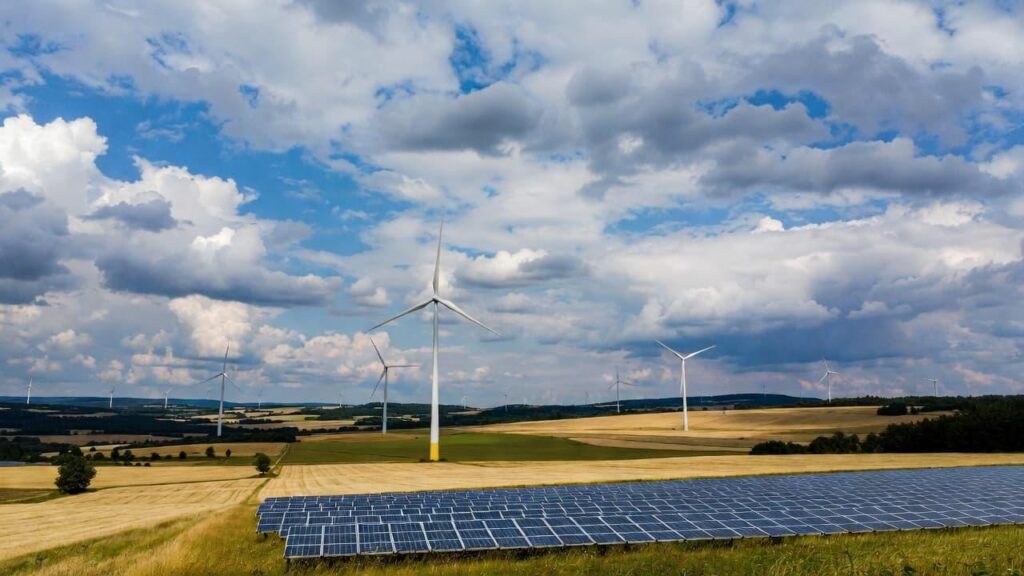
Renewable electricity has become a major pillar of Europe’s power system thanks to years of investment in wind farms, solar parks, hydroelectric facilities, and modern electricity grids. Policymakers continue expanding renewable infrastructure as electricity demand grows alongside the electrification of transportation, heating and industry.
Denmark, Portugal, and Lithuania Stand Out as EU Leaders
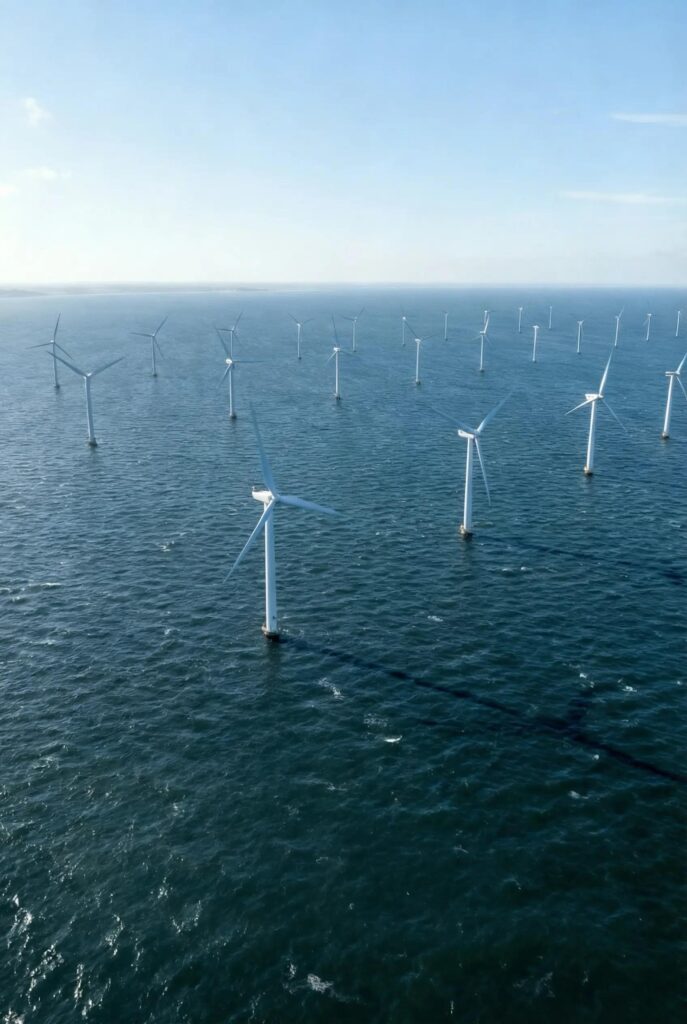
Among all EU countries, Denmark recorded the highest share of electricity generated from renewable sources, with wind power remaining the country’s dominant source of electricity. Portugal ranked second, supported largely by hydropower together with expanding wind and solar generation.
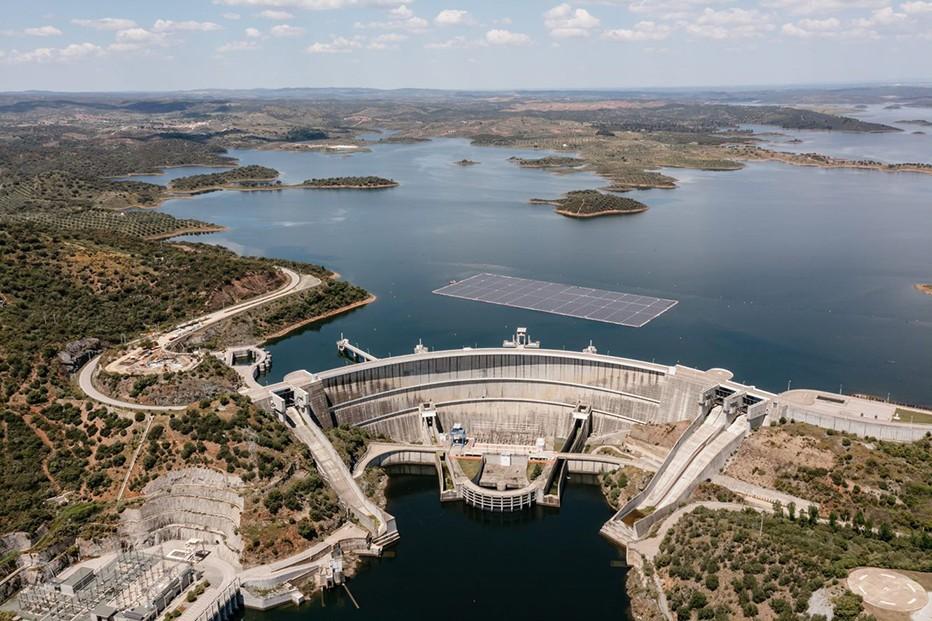
Lithuania also ranked among Europe’s strongest renewable performers, benefiting primarily from wind energy. At the opposite end of the ranking, countries including Czechia, Malta and Slovakia continued to report much lower renewable electricity shares, reflecting differences in geography, historical energy systems and investment levels.
Wind Power Remains Europe’s Largest Renewable Electricity Source
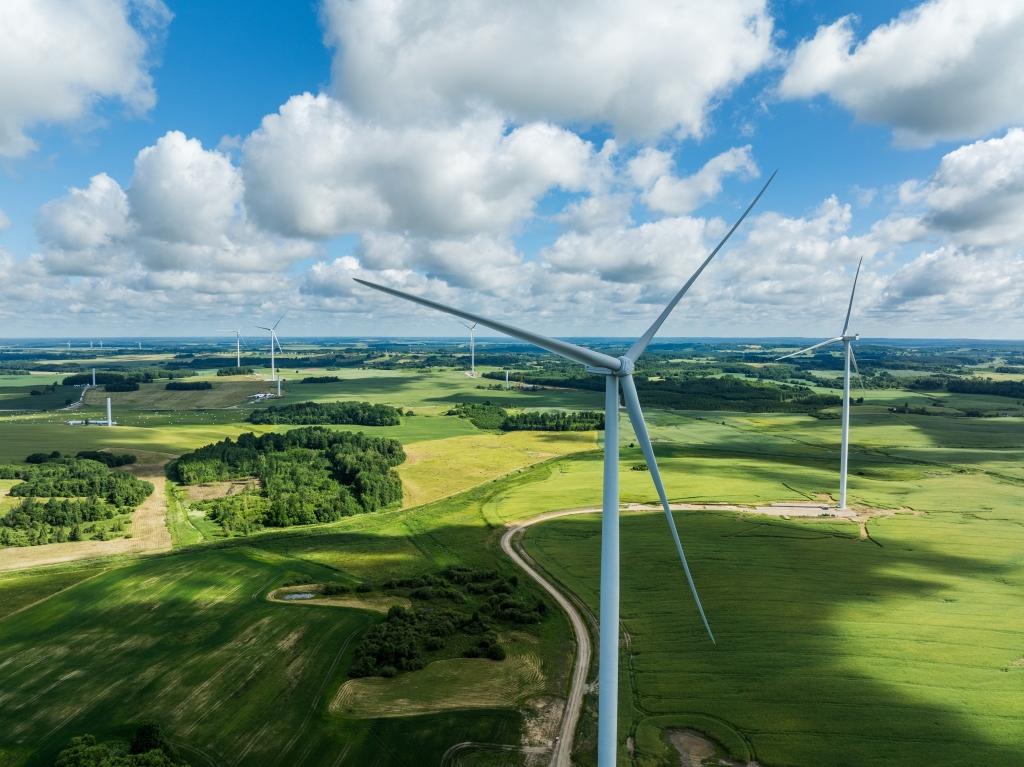
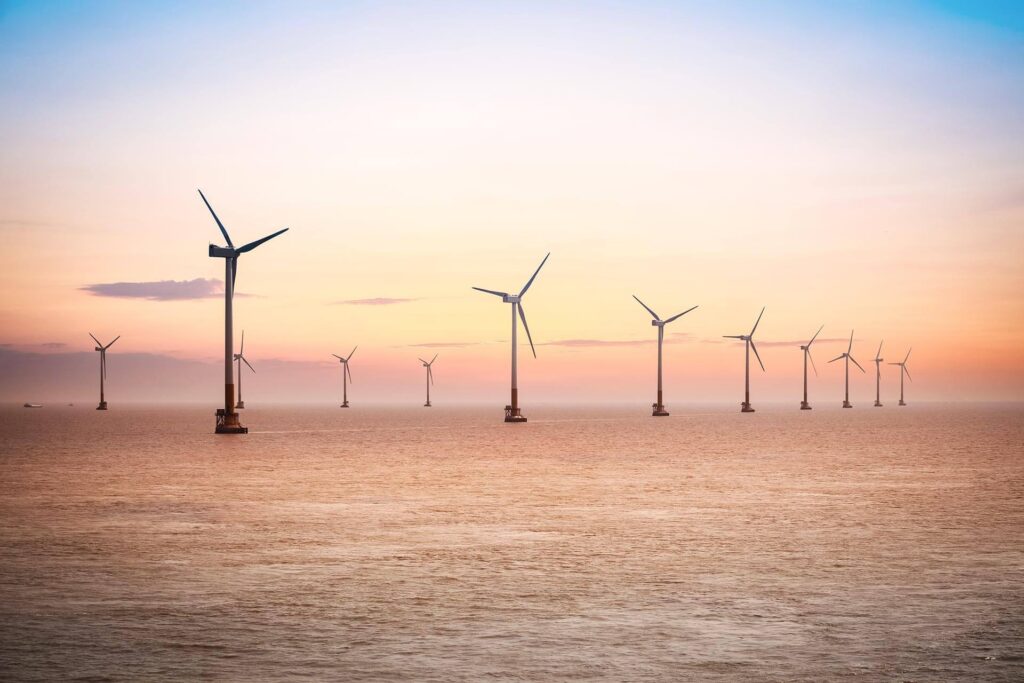
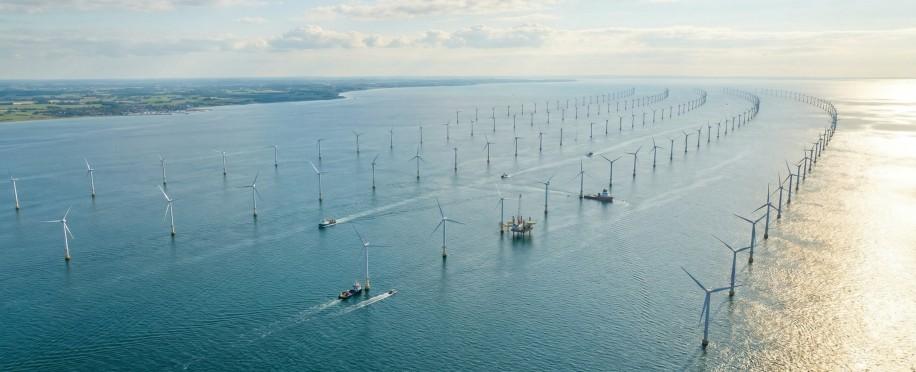
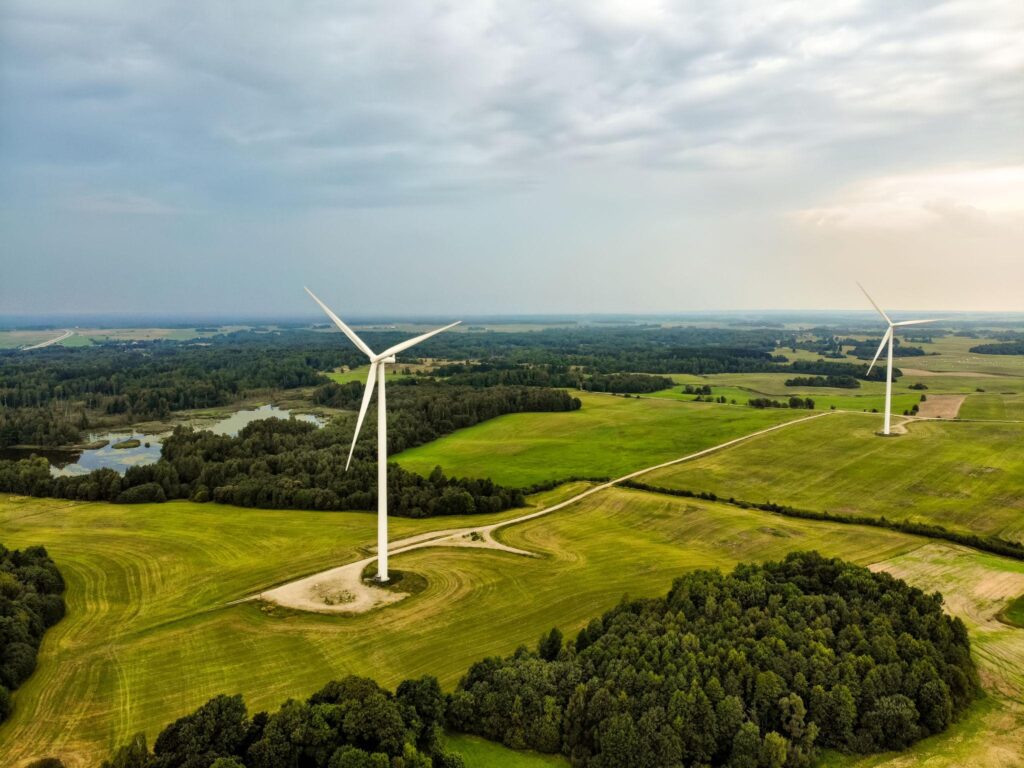
Wind energy continues to generate the largest share of renewable electricity across the European Union. Large offshore wind projects in northern Europe, together with expanding onshore wind farms, have significantly increased electricity production over recent years.
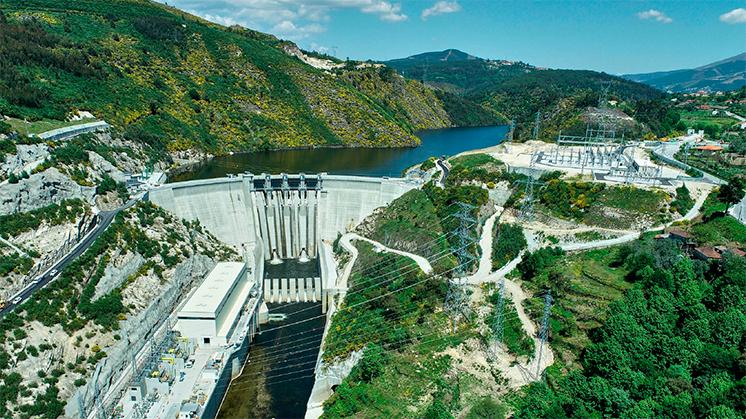
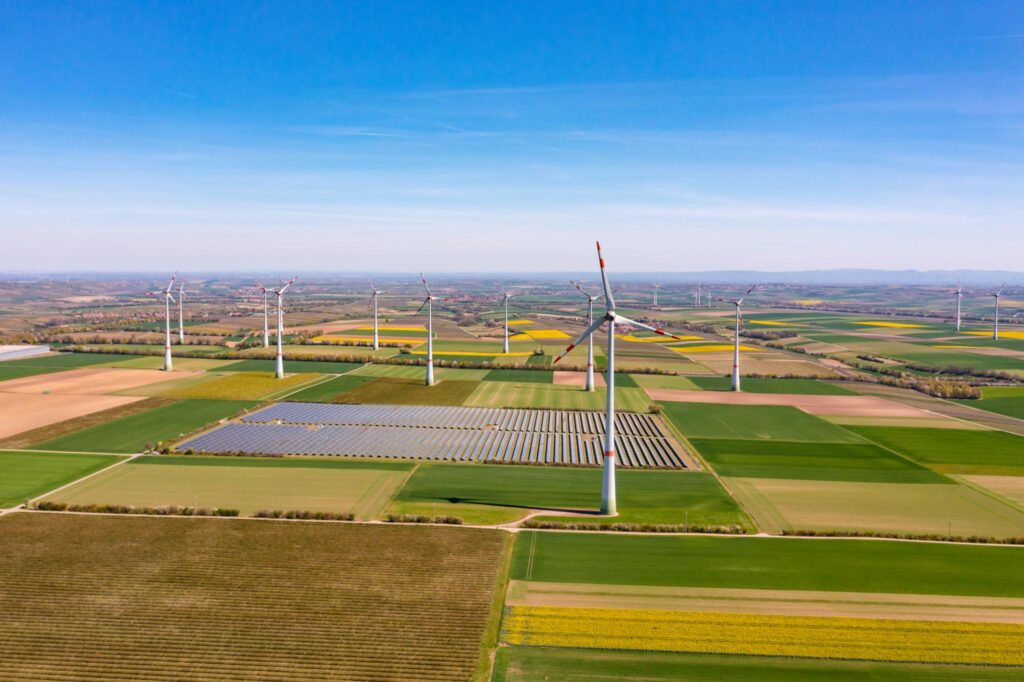
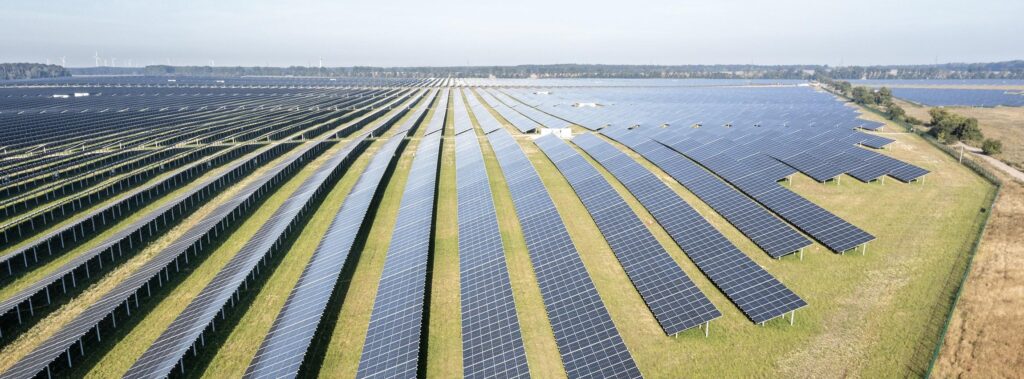
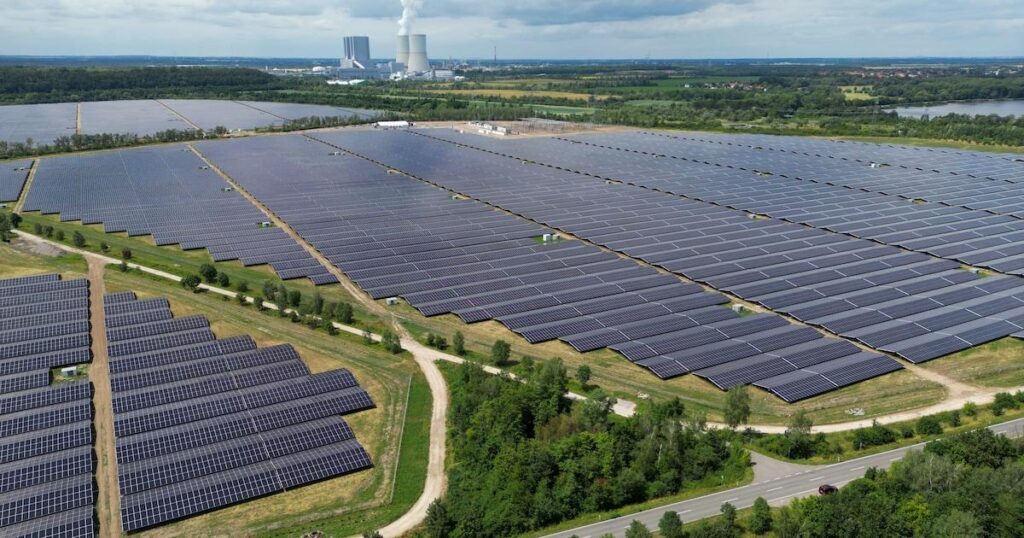
Hydropower remains another critical contributor, particularly in countries with favorable river systems and mountainous terrain. Meanwhile, solar power continues to record some of the fastest growth rates as falling installation costs, improved technology, and supportive government policies encourage households, businesses, and utilities to invest in photovoltaic systems.
Why Nearly 50% Renewable Electricity Is Important
Producing almost half of the EU’s electricity from renewable sources has significant economic and environmental implications. Renewable electricity helps lower greenhouse gas emissions, improves air quality, and reduces dependence on imported fossil fuels, whose prices can fluctuate because of geopolitical events.
Greater renewable generation also strengthens long-term energy security. Although renewable production can vary depending on weather conditions, improvements in battery storage, smart grids and cross-border electricity connections are helping balance electricity supplies more effectively across Europe. Energy analysts expect these technologies to become even more important as renewable capacity continues expanding.
Challenges That Still Need to Be Addressed
Despite impressive progress, Europe’s clean energy transition still faces several challenges. Electricity grids require significant modernization to handle growing renewable generation, while additional battery storage and flexible demand systems will help manage periods of low wind or limited sunshine.
Permitting new renewable projects also remains slow in some countries. Governments continue working to simplify approval processes while ensuring environmental protections remain in place. Investment in transmission infrastructure will be essential to transport renewable electricity efficiently between regions with abundant clean energy resources and areas experiencing higher electricity demand.
What Comes Next for Europe’s Renewable Energy Transition
The European Union continues to pursue ambitious climate objectives that call for a much larger share of renewable energy by 2030. Continued investment in offshore wind, utility-scale solar farms, battery storage, hydrogen technologies and upgraded electricity networks is expected to accelerate this transition.
Industry experts believe the combination of technological innovation, supportive public policy and private investment will allow renewable electricity to play an even larger role in Europe’s energy system over the coming decade. As renewable capacity expands, consumers could benefit from greater energy security, reduced emissions and a more resilient electricity market, although achieving these goals will require continued investment in infrastructure and grid modernization.
Key Takeaways
- Renewable energy now provides nearly half of EU electricity generation.
- Denmark, Portugal, and Lithuania recorded the highest renewable electricity shares.
- Wind remains the EU’s largest renewable electricity source, followed by hydro and rapidly growing solar.
- Expanding renewable generation supports climate goals, energy security, and lower emissions.
- Continued investment in grids, storage and clean energy infrastructure will determine how quickly Europe reaches its long-term energy targets.
Subscribe to trusted news sites like USnewsSphere.com for continuous updates.