
US sold euros to support the yen in a quiet but highly significant move that has drawn attention across global financial markets. Reports indicate that US authorities intervened indirectly to help stabilize Japan’s struggling currency, the yen, amid rising volatility. This action highlights growing concern among major economies about currency imbalances, inflation pressures, and global financial stability. The move raises critical questions: Why did the US step in? What does it mean for Europe and Japan? And how will this affect global markets going forward?

Why this matters now: Currency instability is increasing worldwide due to inflation, interest rate differences, and geopolitical tensions. Any coordinated or indirect intervention by major economies signals deeper stress in the financial system—and investors are paying close attention.

US Intervention Signals Growing Concern Over Yen Weakness
The US decision to sell euros to support the yen reflects a broader concern about the rapid depreciation of Japan’s currency. The yen has been under pressure due to the gap between Japan’s ultra-loose monetary policy and the tighter policies of the US and Europe. As interest rates in the US remain relatively high, capital continues to flow out of Japan, weakening the yen further.
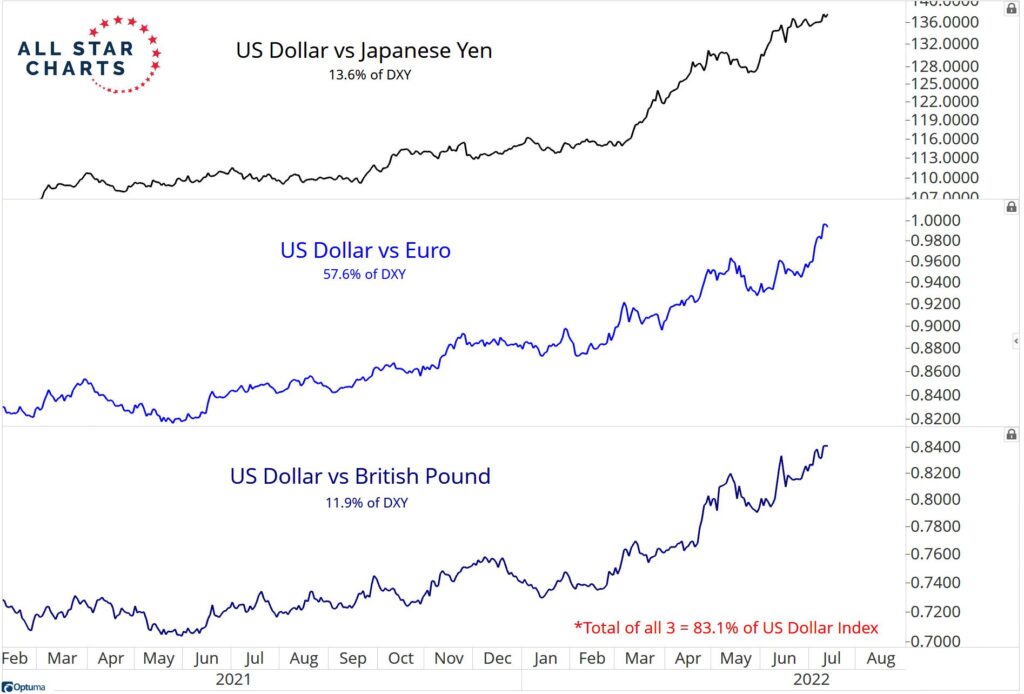
This intervention suggests that US policymakers may view excessive yen weakness as a risk to global financial stability. A sharply declining yen can disrupt trade balances, increase import costs for Japan, and trigger volatility in currency markets. By stepping in indirectly, the US may be trying to prevent a disorderly market reaction without making a direct public announcement.

Europe Reacts to Unexpected Currency Movements
European officials were reportedly caught off guard when they discovered that euros had been sold as part of this intervention strategy. While the euro remains relatively stable compared to the yen, any large-scale selling pressure can impact its value and create uncertainty in European markets.

The lack of prior communication has raised concerns about transparency and coordination among major economies. Currency interventions are typically sensitive and often coordinated to avoid unintended consequences. Europe’s reaction highlights the complexity of managing global currencies in a highly interconnected financial system where one country’s action can quickly ripple across others.

Why the Yen Became a Global Focus Point
The Japanese yen has long been considered a safe-haven currency, but recent economic conditions have challenged that status. Japan’s central bank has maintained low interest rates to support economic growth, while other major economies have raised rates aggressively to combat inflation. This divergence has weakened the yen significantly.

A weaker yen can benefit Japanese exports by making them more competitive globally. However, it also increases the cost of imports, especially energy and raw materials. This creates inflationary pressure within Japan and reduces purchasing power for consumers. As a result, stabilizing the yen has become a priority not just for Japan, but for global financial stability.
Global Market Impact and Investor Reactions
The news of US involvement in supporting the yen has triggered reactions across global markets. Currency traders are now closely watching for further interventions, while investors are reassessing risk levels in foreign exchange markets. Sudden movements in major currencies can impact everything from stock markets to commodity prices.
For investors, this situation introduces both risks and opportunities. On one hand, increased volatility can lead to unpredictable losses. On the other hand, it creates opportunities for those who can anticipate market moves. Analysts believe that continued intervention—whether direct or indirect—could become more common if currency pressures persist.
What This Means for the US, Europe, and Japan
For the United States, this move underscores its role as a key stabilizer in global financial markets. While the US typically focuses on domestic economic priorities, its actions often have worldwide implications. Supporting the yen indirectly may also help maintain balance in trade relationships and prevent extreme currency fluctuations.
For Europe, the situation raises questions about coordination and communication among major economies. European policymakers may need to adjust their strategies to account for unexpected market moves driven by external interventions.
For Japan, the support provides temporary relief but does not solve underlying economic challenges. Structural reforms and potential policy adjustments may still be needed to strengthen the yen in the long term.
Future Outlook: Will Currency Interventions Increase?
Looking ahead, experts believe that currency interventions could become more frequent as global economic uncertainty continues. Central banks and governments may take more active roles in stabilizing their currencies, especially during periods of extreme volatility.
However, such actions also carry risks. Uncoordinated interventions can lead to tensions between countries and disrupt market confidence. The key challenge will be maintaining balance—ensuring stability without triggering unintended consequences.
In the coming months, market participants will closely monitor signals from central banks, economic data releases, and geopolitical developments. The direction of interest rates, inflation trends, and global trade dynamics will all play crucial roles in shaping currency movements.
Conclusion
The reported move by the US to sell euros and support the yen highlights the fragile state of global currency markets. It underscores the interconnected nature of modern economies, where actions in one region can quickly affect others. As uncertainty continues, investors, policymakers, and businesses must remain vigilant and adaptable.
Subscribe to trusted news sites like USnewsSphere.com for continuous updates.