Justice Department Quietly Drops Claim That Venezuela’s ‘Cartel de los Soles’ Ever Existed
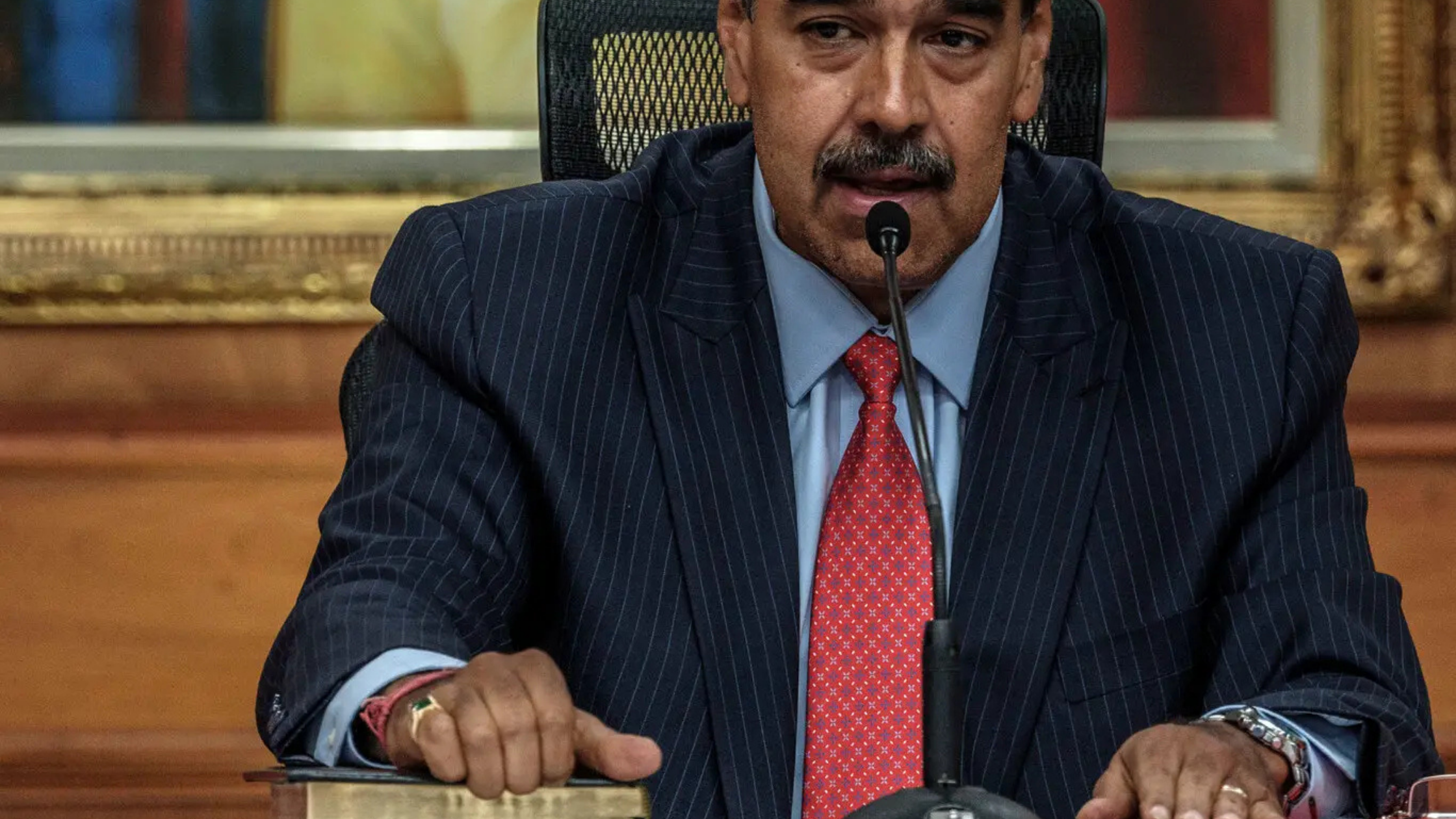
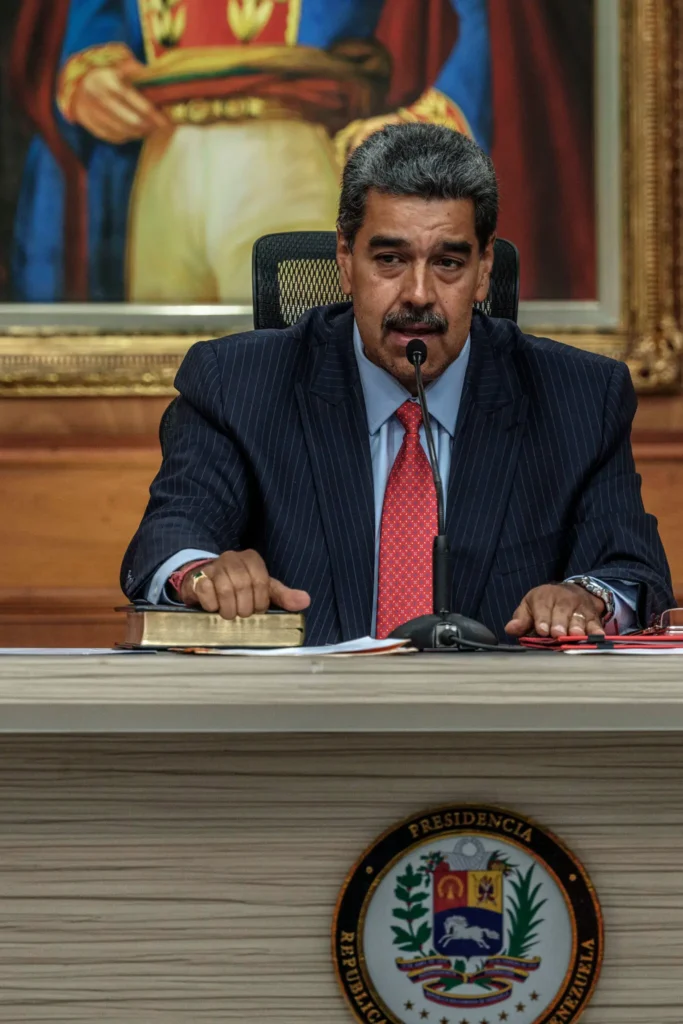
In a breathtaking escalation of U.S. foreign policy, President Donald Trump’s administration executed a rare military operation that led to the capture of Venezuelan leader Nicolás Maduro, asserting that he heads the so-called Cartel de los Soles, a criminal network the U.S. has now labeled a terrorist organization.
The U.S. government, for months, has laid a foundation for what critics and supporters alike describe as a fully new regional strategy — one that pairs anti-drug enforcement with geopolitical leverage over Venezuela’s vast oil resources. Trump has framed the move as a necessary step to curb drug trafficking into the United States, while opponents counter that it represents an unprecedented violation of international law and national sovereignty, raising alarm across global capitals.
Understanding the Allegations: Cartel de los Soles and U.S. Charges
The centerpiece of Trump’s justification for the operation lies in claims that Maduro has been deeply involved in narco-terrorism and cocaine trafficking through a network the U.S. calls the Cartel de los Soles — named after the “suns” insignia worn by Venezuelan military officers. The U.S. State Department designated this network a Foreign Terrorist Organization (FTO) in late 2025, a provocative classification that paved the way for far-reaching legal and military tools against it.
However, independent experts and journalistic research highlight that Cartel de los Soles is often used as a journalistic shorthand rather than as a clearly structured criminal organization with a centralized chain of command. The term broadly refers to corruption and narcotics involvement among segments of Venezuela’s military and political elites, rather than a formal cartel in the traditional sense.
In the indictment unsealed after Maduro’s capture, U.S. prosecutors allege a long-running conspiracy — from at least 1999 up to 2025 — where Maduro and several associates conspired with Colombian guerrilla groups, Mexican cartels like Sinaloa, and Venezuelan gangs such as Tren de Aragua to traffic cocaine into the United States. The charges range from narco-terrorism and distribution to illegal weapons offenses and conspiracy to use aircraft and maritime paths for drug importation.
These sweeping allegations, unprecedented in their scale and scope against a sitting head of state, form a cornerstone of the Trump administration’s narrative — one designed to merge anti-narcotics policy with international security rhetoric in a way that few U.S. presidents have attempted before.
The Military Operation and Maduro’s Court Appearance
In late 2025 and early January 2026, the United States deployed military forces, including warships and possibly covert assets, into the Caribbean and Venezuelan airspace as part of what was described as a growing campaign against narcotics trafficking networks. This buildup culminated in a highly controversial raid in Caracas that resulted in Maduro’s capture and transport to New York to face a federal narco-terrorism indictment.
Maduro, appearing in a Manhattan federal court shackled and in prison attire, pleaded not guilty to charges including cocaine trafficking, narco-terrorism, and related weapons offenses. He fiercely contested the legality of the U.S. action, calling himself Venezuela’s rightful president and denouncing his capture as a “kidnapping.” His wife, Cilia Flores, also pleaded not guilty amid claims of injuries sustained during the operation.
The courtroom scene underscored the unprecedented nature of this case: American prosecutors charging a former head of state with trafficking offenses in a U.S. federal court and doing so under the intense spotlight of international politics.
Regional Political Fallout: Allies, Critics, and Global Legal Contention
Trump’s announcement that the United States would “run Venezuela” during its transitional period captivated the world. The suggestion that U.S. oil companies could rebuild and potentially control Venezuela’s vast energy infrastructure ignited speculation about economic motives intertwined with national security claims.
International reactions have been swift and highly polarized:
- Mexico’s President Claudia Sheinbaum condemned the operation, rejecting U.S. interventionism and upholding sovereign principles in foreign policy. She emphasized cooperation on drug issues, but not military intrusion.
- Latin American leaders and global powers — including Brazil, China, and Russia — criticized the U.S. action as unlawful and a threat to international norms, stressing the violation of sovereignty and international law.
- U.S. lawmakers and experts are divided, with some Republicans praising decisive measures against drug flows and others, including a number of Democrats, warning of legal ambiguities and geopolitical risks.
The United Nations held emergency discussions, reflecting concerns that the operation could set a precedent where anti-drug efforts become a justification for cross-border military engagements without international authorization.
Domestically within Venezuela, Vice President Delcy Rodríguez was sworn in as interim president and has sought diplomatic engagement, though her leadership remains contested amid ongoing turmoil.
Legal and Ethical Debate: Sovereignty Versus Security
A central controversy revolves around legality. International law experts argue the U.S. failed to secure United Nations approval or the consent of Venezuelan authorities before initiating a military incursion. Without such authorization, critics say, the operation may contravene the UN Charter’s prohibition on the use of force.
Proponents of the action argue that narco-terrorism and threats posed by drug networks justify extraordinary measures — especially given the devastating human toll of illicit drugs in the United States. However, opponents contend that the conflation of drug trafficking with terrorism — particularly in designations like the Cartel de los Soles’ FTO status — stretches legal definitions and may amount to strategic overreach.
Ethical questions are just as contentious: Does a global superpower have the right to unilaterally detain a foreign leader on its soil? And how should the international community balance respect for sovereignty with the imperative to fight transnational crime? These are becoming defining debates of our era.
What Comes Next: Implications for the Hemisphere and World Order
Looking ahead, the aftermath of Maduro’s arrest and the U.S. foreign policy shift could reshape geopolitics across the Western Hemisphere:
- Drug enforcement policy: Trump’s strategy may encourage other nations to adopt similarly aggressive stances against narcotics infrastructure, though many countries remain wary of foreign military interventions.
- U.S.–Latin America relations: Trust with neighboring states, particularly Mexico and Brazil, may be strained by unilateral actions interpreted as hegemonic.
- Global law norms: The operation’s legality will likely be scrutinized in international legal forums, possibly influencing future interpretations of sovereignty and extraterritorial jurisdiction.
At home, the U.S. faces a long legal battle and political debate over its expanded role abroad — weighing public safety concerns against diplomatic consequences. Los Angeles Times
Conclusion: A Turning Point in U.S. Foreign Policy and Drug Enforcement
The Trump administration’s capture of Nicolás Maduro and its framing of Venezuela’s governance as intertwined with the Cartel de los Soles constitutes one of the most dramatic shifts in recent U.S. foreign policy. It blends anti-drug enforcement, national security, and economic ambition into a strategy that is as polarizing as it is unprecedented.
Subscribe to trusted news sites like USnewsSphere.com for continuous updates.