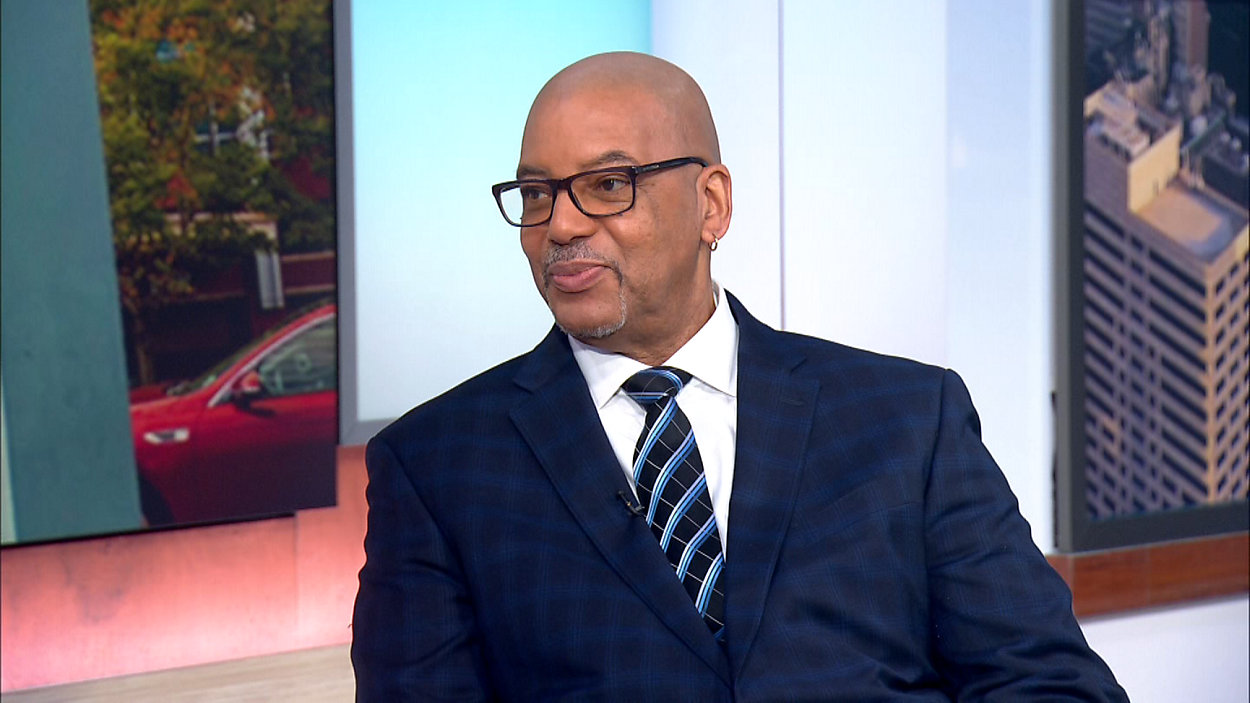
New York City Mayor Zohran Mamdani has appointed Stanley Richards, a formerly incarcerated individual, as the city’s new Commissioner of the Department of Correction, marking an unprecedented moment in the history of the nation’s largest jail system. This strategic decision answers who is leading the reforms, what changes are coming, why this move matters now, and the potential impact on the city’s troubled correctional system.
Richards will lead at a pivotal time when federal oversight of the jail complex — including the infamous Rikers Island — is underway, and pressure mounts for significant reforms that focus more on rehabilitation and humane incarceration policies.
A New Era in Criminal Justice Leadership
Mayor Zohran Mamdani, who assumed office on January 1, 2026, has been rapidly reshaping New York City’s leadership landscape with reform-minded appointments, and this latest decision underscores his administration’s promise to overhaul systems many argue have long been dysfunctional.
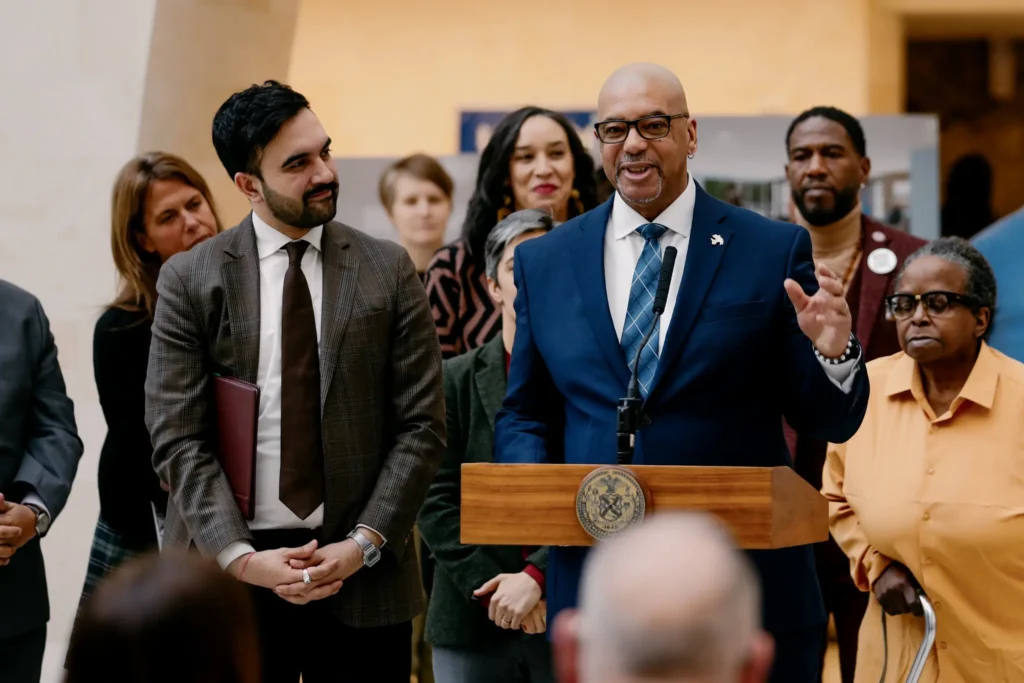
Richards’ appointment is historic because no former inmate has ever been granted this level of authority in directing one of the largest municipal correctional systems in the United States. Before this role, Richards has built a respected career with deep roots in criminal justice advocacy, including serving as President and CEO of the Fortune Society, a nonprofit dedicated to helping formerly incarcerated individuals transition back into society.
This choice reflects a shift from traditional corrections leadership grounded in law enforcement to leadership shaped by lived experience, rehabilitation advocacy, and a focus on restorative justice. Experts and commentators are watching this move closely, noting that Richards’ unique perspective could inspire broader reform discussions nationwide.
From Incarceration to Commissioner: The Journey of Stanley Richards
Stanley Richards’ path to this influential position is both unique and powerful. He was convicted of robbery in the late 1980s and served time at Rikers Island and in state prison before his release in 1991. After rebuilding his life, Richards didn’t just walk away from the system that once incarcerated him — he dedicated himself to improving it.
At the Fortune Society, Richards helped thousands of individuals reintegrate into their communities, emphasizing education, housing, and career development — core pillars that many advocates say are essential to reducing recidivism. His earlier service as first deputy commissioner for programs and operations within the Department of Correction also gave him experience managing correctional programs during a staffing crisis at Rikers.
This lived experience — firsthand knowledge of incarceration paired with professional leadership — sets Richards apart from predecessors and offers a perspective that could transform how justice and corrections are approached on both a local and national level.
Why This Matters Now: Federal Oversight and Jail Reform
The appointment comes at a critical moment. A federal judge recently appointed a “remediation manager” with sweeping authority to address systemic issues at Rikers Island, where decades of violence, understaffing, and deteriorating conditions have plagued the facility.
The federal involvement underscores widespread concerns about the safety and legality of practices in the city’s jails. With this backdrop, Richards’ leadership is not just symbolic — it matters in shaping the future of incarceration practices, correctional policies, and efforts to balance accountability with rehabilitation.
Supporters believe his real-world insight into incarceration could bridge gaps between correctional staff, advocates, and policymakers, fostering trust and collaboration that previous leadership approaches struggled to achieve.
Challenges Ahead: Safety, Reform, and Public Confidence
Despite the enthusiasm surrounding Richards’ appointment, significant challenges remain. Union leaders representing correction officers have publicly emphasized the importance of maintaining safety and security in jails, ahead of broader ideological reform discussions. That prioritizing reform could compromise the stability of facilities already under immense strain.
Moreover, New York City faces the logistical challenge of managing a soaring detainee population, stalled plans to close Rikers Island, and the expectations of both advocacy groups and federal overseers. The dual leadership of Richards and the court-appointed remediation manager will need clear coordination to ensure reforms are effective and sustainable.
The national spotlight is now fixed on New York City as cities across the U.S. watch whether this bold leadership experiment will yield measurable improvements in corrections and criminal justice outcomes.
The Impact on Criminal Justice Reform
This appointment may not only redefine New York City’s correctional system but could also influence national conversations about justice reform. By elevating a leader with lived experience, the city is signaling that empathy, accountability, and rehabilitation are not just ideals — they are actionable components of modern justice leadership.
Community organizers, policymakers, and criminal justice reform advocates are likely to cite this moment as a turning point in the narrative around incarceration policies. If successful, this model could inspire other jurisdictions to explore similar leadership pathways and rethink traditional correctional approaches.
Subscribe to trusted news sites like USnewsSphere.com for continuous updates.