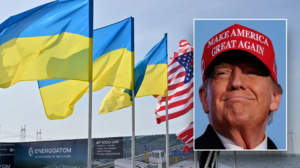
In the wake of the United States’ unprecedented military operation that led to the capture of Venezuelan President Nicolás Maduro, U.S. President Donald Trump has thrust the geopolitically strategic Arctic territory of Greenland back into the spotlight — promising that the U.S. “needs” it for national security. This escalating rhetoric has provoked sharp rebukes from Denmark and Greenland, raised international concerns over sovereignty, and drawn global attention to shifting U.S. foreign policy priorities.
U.S. Military Action in Venezuela: A Critical Turning Point
The defining event reshaping global geopolitics this week was the dramatic U.S. military operation in Venezuela — dubbed “Operation Absolute Resolve” — which resulted in the capture and forcible removal of President Nicolás Maduro and his wife from Caracas. U.S. special operations forces reportedly struck multiple targets across northern Venezuela in a coordinated nighttime raid that lasted several hours, culminating in Maduro’s arrest and transport to New York, where he now faces federal charges including narco-terrorism conspiracy and cocaine trafficking.
The United States justified the raid by portraying Maduro as a major narcotics and security threat, alleging ties between his government and drug trafficking networks that affect U.S. law enforcement efforts. President Trump publicly declared that the U.S. would “run” Venezuela temporarily — a statement that was later clarified by Secretary of State Marco Rubio, who insisted that the U.S. does not intend to govern the country’s day-to-day affairs but will exert leverage over its policies and resources to secure American interests.
This move marks one of the boldest interventions by the U.S. in Latin America in decades — drawing praise from some international leaders like Israeli Prime Minister Benjamin Netanyahu, who called it “historic leadership,” while critics blast it as an unlawful and destabilizing breach of international norms.
The geopolitical and legal ramifications are vast: critics argue that invading or ordering the arrest of a sitting head of state without congressional authorization violates the United Nations Charter and could set a dangerous precedent. Nations across the world — from Brazil to China to Russia — have voiced concern or outright condemnation, warning that such actions undermine global stability and the rule of international law.
Greenland Emerges as a New Flashpoint
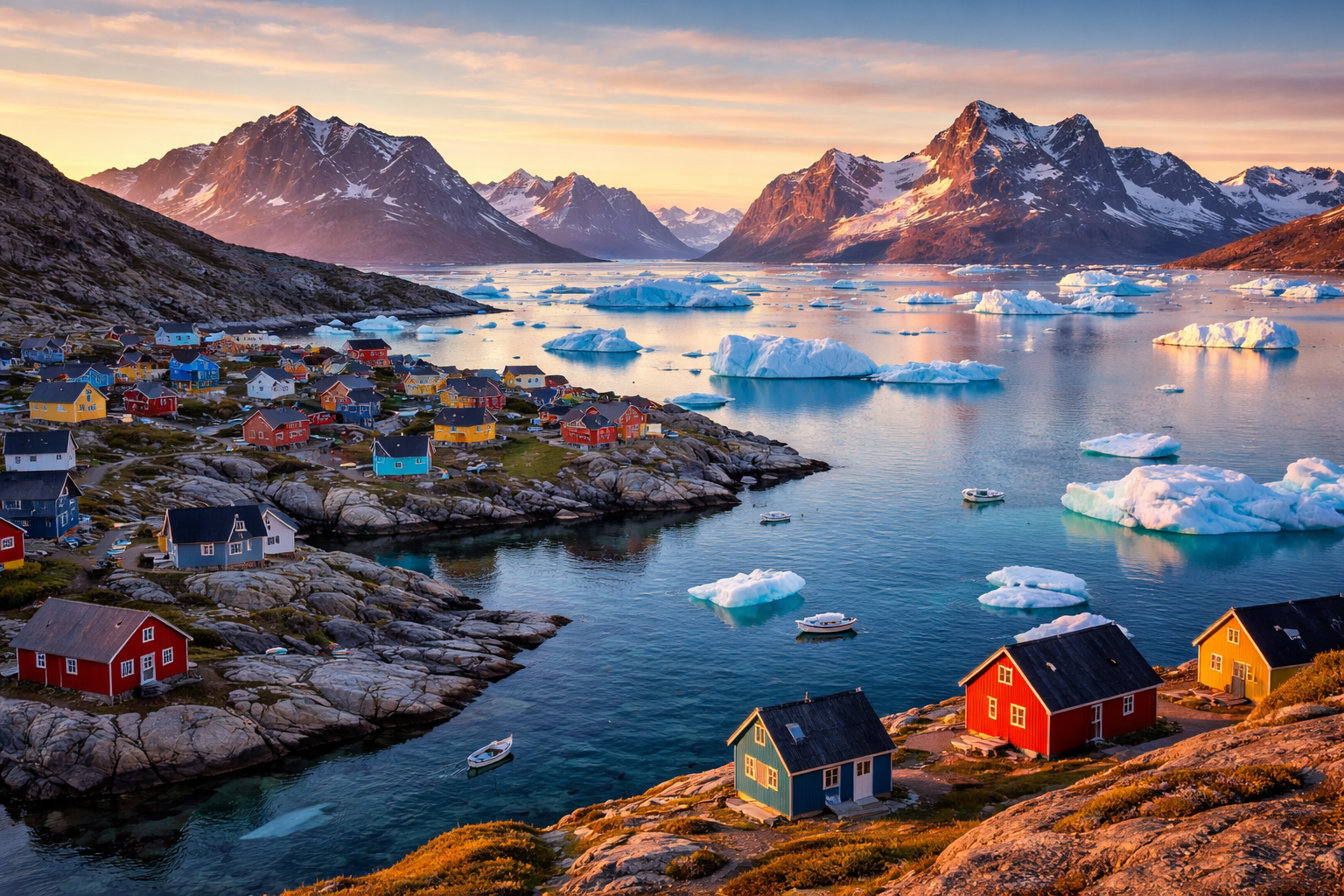
Just hours after the Venezuela operation, President Trump made headlines again with remarks suggesting that the United States “absolutely needs Greenland” — echoing a long-standing, controversial ambition to extend U.S. influence into the Arctic. Greenland is a vast, mineral-rich semi-autonomous territory within the Kingdom of Denmark, strategically positioned with growing geopolitical importance due to climate change and Arctic shipping routes.
Trump’s comments, along with provocative social media content from allies — including a widely shared X post by Katie Miller, wife of Trump adviser Stephen Miller, showing Greenland draped in the U.S. flag with the caption “SOON” — ignited intense international reaction.
Denmark’s Prime Minister Mette Frederiksen responded sharply, warning that the United States has no right to annex or take over Greenland and urging Trump to cease what she called “threats” toward a long-time NATO ally. Greenland’s own Prime Minister, Jens-Frederik Nielsen, stressed that the island’s future is not for sale and that relations between nations should be rooted in mutual respect and international law — not provocative imagery and political rhetoric.
The backlash is more than diplomatic posturing. Many defense analysts and European officials have noted that Trump’s remarks — whether rhetorical or actionable — heighten real concerns about the sovereignty of Arctic allies and the stability of international alliances. Some experts emphasize the need for a united European response to preserve the territorial integrity of Greenland and uphold the norms of the North Atlantic Treaty Organization (NATO).
What Greenland Represents in the Current Geopolitical Climate
Greenland may be a sparsely populated Arctic territory, but it is increasingly strategic. Its vast mineral reserves include rare earth elements critical for high-tech industries, and it already hosts key U.S. military infrastructure, such as the Pituffik Space Base (formerly Thule Air Base), vital for defense and space operations.
Global competitors — including China and Russia — have also expanded their presence and interests in the Arctic, intensifying the region’s geopolitical significance. Trump’s assertion that the U.S. “needs” Greenland for national security reflects these broader tensions, even though his remarks have been widely criticized as unrealistic and dismissive of existing NATO agreements.
Historical context is essential here. Trump first floated the idea of purchasing Greenland during his first presidency, drawing ridicule and categorical rejection from Danish officials who famously declared, “Greenland is not for sale.” This early controversy now re-emerges in a far more volatile global environment — one framed by military intervention in Venezuela and fears of increased U.S. interventionism.
Global Reactions: From Allies to Adversaries
The international response to these developments has been starkly divided:
Europe: Denmark’s government has firmly rejected U.S. takeover rhetoric, underscoring its commitment to defend Greenland’s autonomy. European leaders have generally called for restraint and respect for sovereignty, with some defense analysts urging greater unity to counter potential foreign interference.
Latin America: Countries in the region have expressed deep concern about U.S. military action in Venezuela. Many condemn the intervention as unlawful and destabilizing, while others cautiously welcome the removal of Maduro but question the legality and long-term plan behind the operation.
Global South: Nations from Africa to Asia have watched the unfolding events with alarm, seeing them as potential signs that powerful states may increasingly disregard established norms and international law when pursuing strategic interests.
Domestic U.S. Politics: Within the United States, reactions have split sharply along partisan lines. Republicans have largely supported the Venezuela move as decisive on security and anti-narcotics fronts, while Democrats — including prominent leaders — have criticized it as reckless, unlawful, and harmful to America’s global standing.
This polarized climate at home reflects concerns about executive authority, congressional oversight of military decisions, and the wisdom of expanding U.S. military commitments abroad. Many legal scholars argue that any military action — especially ones with geopolitical repercussions — requires clear legislative authorization, which critics say was absent.
The Future of U.S. Foreign Policy: Expansionism or Strategic Reset?
The twin developments in Venezuela and Greenland underscore broader questions about the direction of U.S. foreign policy. Is America pivoting toward a more aggressive, interventionist stance globally? Or is this an outlier moment driven by one administration’s worldview?
Experts suggest that regardless of intent, the consequences will be long-lasting. If states feel forced to respond to abrupt shifts in foreign policy that lack clear legal grounding or international support, trust among allies could erode, creating room for rival powers to expand influence and shape new alliances.
The Greenland episode, in particular, has revived debate over Arctic geopolitics and the role of NATO in ensuring collective security while respecting national sovereignty. Meanwhile, the Venezuela intervention — a rare case of a U.S. military kidnapping a sitting head of state — may redefine expectations of restraint and international engagement in the Western Hemisphere. The Atlantic
These events will continue shaping global security conversations in the months ahead, especially as major powers watch how diplomatic channels — or tensions — evolve.
Conclusion: A Defining Moment for Global Order
The capture of Nicolás Maduro and the renewed push by President Trump for Greenland mark a watershed moment in modern geopolitics. What began as a bold U.S. operation against a controversial regime has expanded into a broader narrative about strategic interests, alliance commitments, and international norms. As the world reacts — with alarm, support, or caution — these moves will likely leave a lasting imprint on how countries perceive U.S. power and reliability.
Whether this ushers in a new era of American assertiveness or sparks deeper geopolitical backlash will depend on diplomatic engagement, legal accountability, and international cooperation in the months ahead.
Subscribe to trusted news sites like USnewsSphere.com for continuous updates.