Luigi Mangione Will Not Face Death Penalty as Judge Reshapes High-Profile CEO Murder Trial
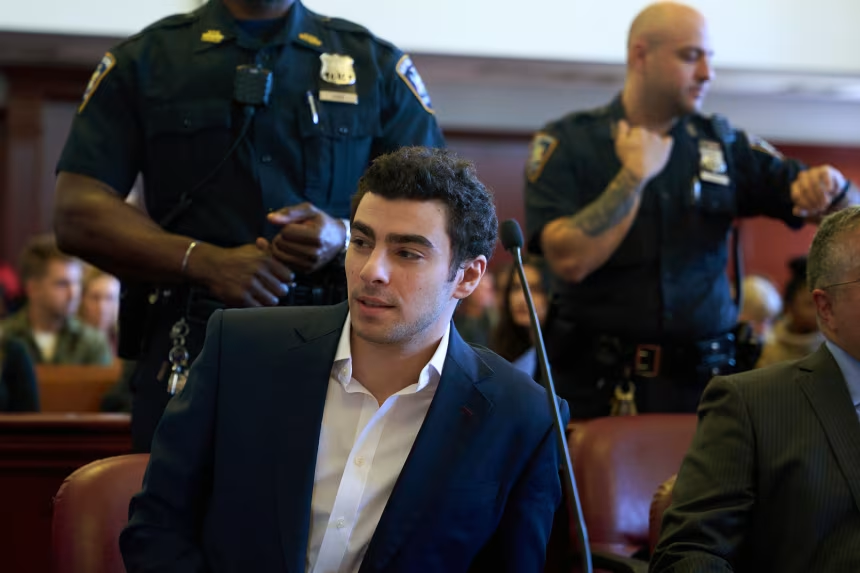
In a major legal development that could reshape one of the most closely watched criminal cases in the United States, a federal judge has ruled that prosecutors may not seek the death penalty against Luigi Mangione, the 27-year-old accused of fatally shooting UnitedHealthcare CEO Brian Thompson in December 2024. The judge’s decision removes capital punishment as a possible sentence and has set new expectations for when Mangione’s federal trial will begin, while significant state proceedings continue. This decision matters now because it refocuses the legal battle on life imprisonment and procedural issues rather than the politically charged question of execution.
The ruling answered critical questions about what charges remain, what penalties are possible, and why this case remains a complex legal showdown across both state and federal systems. It also influences national discussions around mental health, corporate leadership, security, and the role of federal sentencing standards.
Federal Judge Blocks Death Penalty: What the Ruling Means
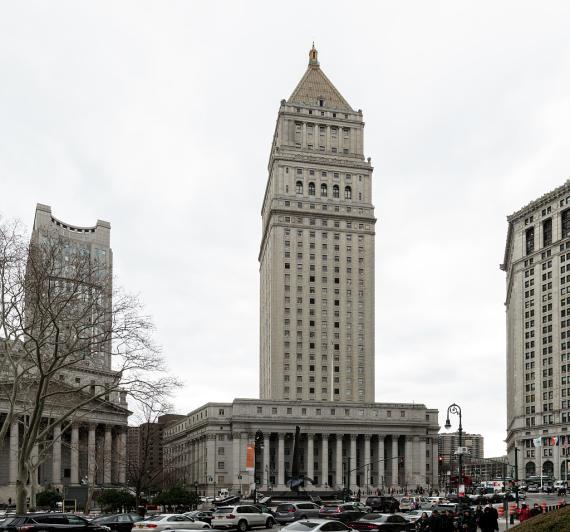
In late January 2026, U.S. District Judge Margaret Garnett dismissed the federal charges that would have allowed the government to pursue the death penalty against Mangione, ruling that the legal basis for capital punishment in the case was unsound under current federal law. Under her interpretation, the remaining charges — including stalking counts associated with causing Thompson’s death — do not qualify as “crimes of violence” required for death penalty eligibility.
This means Mangione now faces only federal charges that could lead to life imprisonment if he’s found guilty, rather than the possibility of execution. Prosecutors have until late February to decide whether to appeal the ruling, adding another legal layer to the unfolding process.
Legal experts say the ruling reflects the tension between intense public interest, statutory definitions of violent crime, and Supreme Court precedent. It also reduces the political heat around the case, which had drawn national attention and polarized commentary because of Thompson’s high profile as a healthcare executive.
Trial Dates and What’s Next in the Federal Court
With the death penalty removed, Judge Garnett has rescheduled the federal proceedings:
- Jury selection is currently slated for early September 8, 2026.
- Opening arguments are now expected on October 13, 2026.
If the death penalty had remained on the table, the trial would have started early next year — likely January 2027 — illustrating how sentencing options influence overall trial timelines and preparation.
The judge also preserved key evidence — including the alleged murder weapon and writings found on Mangione at the time of his arrest — which prosecutors believe strongly ties him to the killing. This means the case will move forward on its factual claims even as certain legal challenges continue.
Parallel State Trial Moves Forward in New York
While federal proceedings are progressing, Manhattan prosecutors are pushing for a state murder trial to begin July 1, 2026, months before the federal case’s opening statements. State charges differ somewhat from federal ones, and the timeline remains under debate as defense attorneys argue over scheduling and procedural fairness.
At a December 2025 pretrial hearing, state court judges considered whether certain evidence should be excluded, with final rulings expected in the spring. These developments signal that Mangione will face intense legal scrutiny in both jurisdictions, with overlapping but distinct legal standards and consequences.
Background: Who Luigi Mangione Is and Why this Case Gripped the Nation
Luigi Mangione was arrested in Altoona, Pennsylvania, shortly after Brian Thompson was shot dead outside a Manhattan hotel where he was attending a corporate event. Officers arrested Mangione with a modified firearm, multiple forged identification documents, and writings that prosecutors described as manifestos outlining ideological motives.
He was extradited to New York and indicted on both federal and state charges, including stalking, murder charges, and weapons offenses. His defense has maintained his innocence and challenged both the admissibility of certain evidence and legal interpretations that would allow the death penalty.
The case captured widespread media attention not only because of the victim’s prominence but also due to heated debates over healthcare industry practices, perceptions of corporate accountability, and national discourse on criminal justice. Public reactions have ranged from shock and condemnation to politicized commentary online.
Why This Matters Now: Legal, Social, and Policy Impact
This ruling is significant because it alters the trajectory of one of the most headline-grabbing homicide cases of recent years. Removing the death penalty narrows the focus to fundamental questions of evidence and sentencing fairness, while contrasting state and federal approaches to criminal justice.
It also underscores how federal definitions of violent crime shape prosecutorial power, particularly in high-profile cases with political overtones. Legal observers note that this decision sets a precedent in a period where federal sentencing standards have become a contested issue in courts across the country.
Finally, this case continues to drive conversations about security for corporate executives, the role of public rhetoric in violent acts, and how criminal trials of nationally notable figures are conducted in an era of intense media and social media attention.
Subscribe to trusted news sites like USnewsSphere.com for continuous updates.