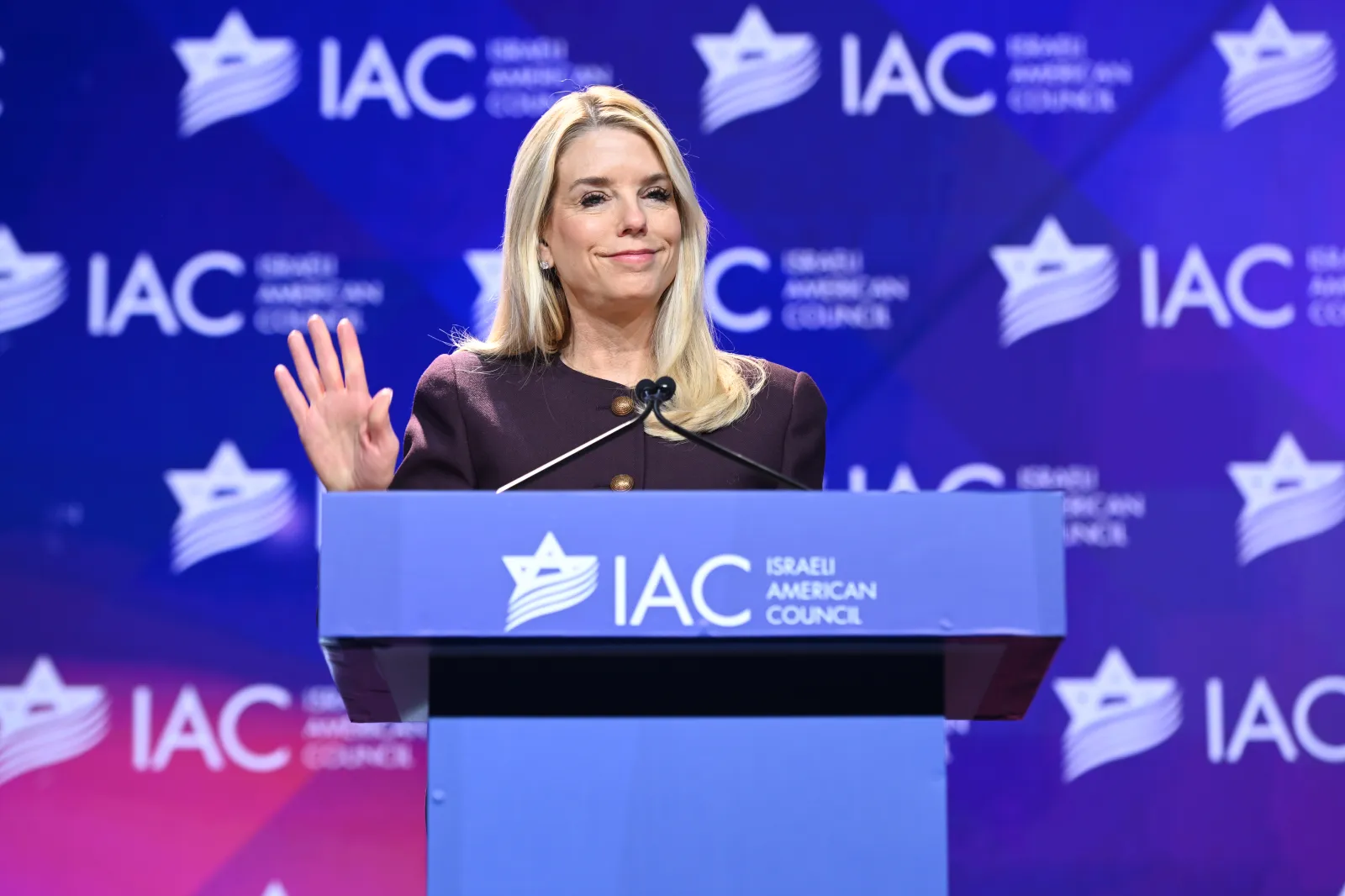
In a sharply worded letter to Minnesota Governor Tim Walz, U.S. Attorney General Pam Bondi has effectively linked federal immigration enforcement actions to state cooperation on sensitive voter registration data — sparking a national political firestorm and fueling debates around federal power, election integrity, and public safety. Bondi’s demands came just hours after federal agents shot and killed a Minnesota man during an immigration enforcement operation, setting off widespread protests and bipartisan outrage.
This matters now because it merges two of the most contentious political arenas in the United States — immigration enforcement and election oversight — at a moment of intense public scrutiny following fatal shootings in Minneapolis.
What Bondi’s Letter Demands and Why It’s Controversial
Pam Bondi’s letter to Democratic Governor Tim Walz lays out three major conditions she says Minnesota must fulfill before federal Immigration and Customs Enforcement (ICE) would consider reducing its presence in Minneapolis. Among these demands:
- Access to state voter rolls so the Department of Justice (DOJ) can review them for compliance with federal law, particularly under the Civil Rights Act.
- Sharing welfare and assistance program records, such as food assistance and Medicaid data, to help federal authorities “investigate fraud.”
- Repealing sanctuary policies in Minnesota and strengthening cooperation with federal immigration detainers.
Bondi framed these conditions as necessary steps to “restore the rule of law” and reduce violence against federal agents — claims that have already drawn intense pushback from state officials and national critics.
But it is the call for voter registration data that has made this letter especially contentious: critics argue it crosses a line from law enforcement cooperation into potential federal leverage over elections and personal data access.
Background: Minneapolis Shootings and Federal Operation
The letter comes in the wake of a fatal shooting in Minneapolis involving a U.S. Border Patrol agent and a 37-year-old man who was not charged with a crime and reportedly lawfully armed at the time. Independent video evidence and eyewitness accounts challenge claims by federal officials about the nature of the confrontation, leading to intense public debate.
This was not an isolated incident. Minneapolis has seen multiple controversial encounters between federal agents and residents as part of Operation Metro Surge — a larger immigration enforcement initiative that has already drawn lawsuits from the state and civil rights advocates.
Governor Walz responded strongly on social media, calling for an end to the federal operation and demanding that ICE agents be removed from Minnesota.
National and Local Reactions: Sharp Divisions
With the letter and shootings dominating headlines, reactions from politicians and commentators have been sharply polarized:
- Democrats and civil liberties advocates have described Bondi’s demands as an attempt to use federal law enforcement as leverage for access to sensitive data, with some saying this risks eroding public confidence in democratic institutions.
- Republican officials and ICE supporters argue that sanctuary policies undermine public safety and that federal agents need greater cooperation from local governments to do their jobs.
- Voices from national media and watchdogs warn the letter may fuel fears about the misuse of voter information and signal an unprecedented federal assertiveness.
Some commentators on social platforms have even characterized Bondi’s terms as stretching beyond legal norms, interpreting the call for voter roll access as an enticement tied to federal resources and enforcement decisions.
Why This Matters Now
This moment matters because it sits at a crossroads of public safety policy and election integrity concerns. The controversy has ignited protests in multiple cities and drawn national attention not only to federal immigration tactics but to questions about how far the federal government can go in seeking access to state-level personal data.
In a deeply divided political climate, both sides argue that the other has overstepped — with proponents of federal action saying Minnesota leaders need to support law enforcement, and critics saying federal officials are weaponizing controversial incidents for broader political leverage.
Because the issue touches on constitutional rights, data privacy, and civil liberties, it is likely to remain a flashpoint in national debates leading into election cycles — especially with both immigration policies and voting rights deeply resonant with American voters.
What Comes Next
With Minnesota officials publicly rejecting the conditions laid out by Bondi and Governor Walz demanding that federal action be halted, the standoff is poised to escalate. Legal challenges, congressional hearings, and intensified media scrutiny may follow.
Public protests and political pushback from both parties suggest this will not be resolved quietly. The outcome could have lasting effects on how federal and state governments interact on issues of immigration, law enforcement, and election law compliance.
Subscribe to trusted news sites like USnewsSphere.com for continuous updates.