Trump Approval Rating Hits Historic Low: Public Support Plummets Amid Economic and Policy Backlash
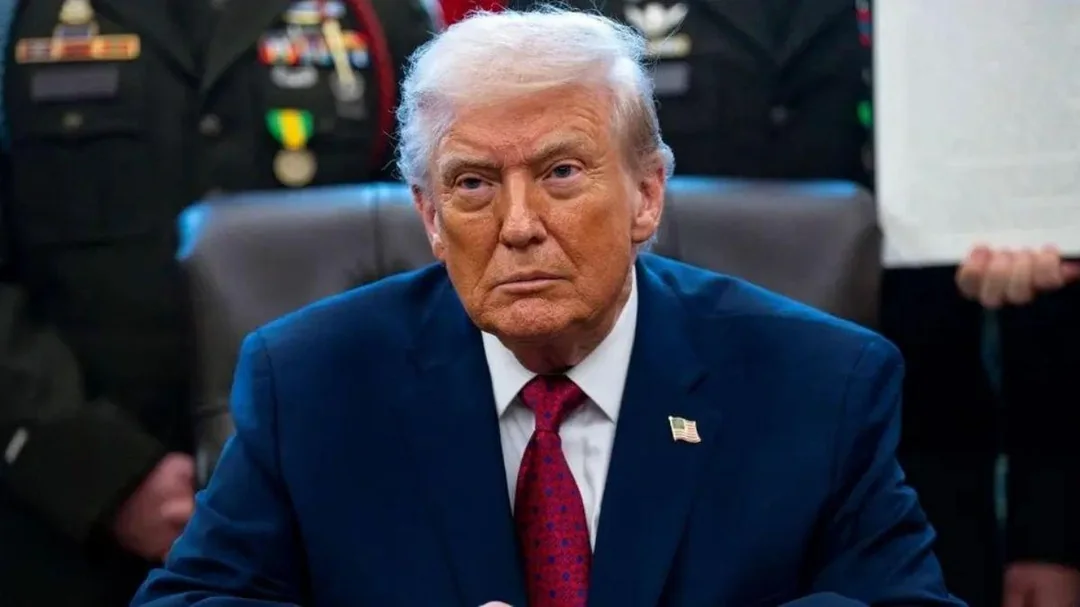
The latest national polling data confirms that Trump’s approval rating has fallen to a historic low in his second term, with broad public dissatisfaction stretching across key issues, including the economy, immigration, and foreign policy. Data from multiple credible polling aggregators and national surveys show that President Donald Trump’s public support has declined significantly compared to earlier in his presidency — a shift that could shape both public discourse and political outcomes well into 2026 and beyond.
What the Polls Show About Trump’s Approval Slide
Recent polling aggregates reveal that Donald Trump’s nationwide job approval rating sits significantly below a majority of American voters, with a persistent negative net approval between about −8 to −17 points in recent surveys. Gallup trends have similarly tracked this slide, showing lower overall approval marks than earlier in his administration.
These unfavorable numbers reflect a broader pattern in which more Americans judge the president unfavorably on major issues — especially the economy and cost of living — despite occasional upticks tied to specific foreign policy developments.
Public Dissatisfaction Hits Multiple Policy Areas
Poll results show that while some of Trump’s measures — like handling crime or foreign affairs — may score slightly higher with certain voter segments, most Americans are critical of how his administration is tackling everyday challenges. Recent data indicate that approval of his handling of high prices, healthcare, and overall economic conditions has fallen to dismal levels. Reports from national media and polling outfits, including PBS and major national surveys, confirm that dissatisfaction with the economy is at or near historic highs, with specific concern focused on inflation, healthcare costs, and affordability.
Partisan and Demographic Shifts Underlying the Ratings Drop
Approval and disapproval rates differ sharply across political affiliations. While Republican loyalists continue to express support for Trump’s leadership at relatively high rates, those numbers have softened compared to earlier in his term. Independent voters and segments like younger Americans have become increasingly critical — a trend highlighted in recent polling that shows rising negative sentiment among those age groups, which traditionally play a significant role in shaping national political outcomes.
In fact, the number of Americans identifying as independents — or skeptical of both major parties — has grown to record levels. This independent bloc is now a key demographic expressing disapproval of Trump’s overall direction, particularly on economic and immigration policies.
Immigration Policy Backlash Fuels Disapproval
Ahead of the latest polls, public reaction to Trump’s aggressive immigration policies has intensified feelings of frustration and disapproval. Specific components like the public’s views on Immigration and Customs Enforcement (ICE) have gone from net favorable to net unfavorable over the past year, largely due to controversial enforcement actions and highly publicized enforcement-related incidents.
This shift reflects broader tensions in how the Trump presidency’s signature immigration stance is being received by everyday Americans, contributing to the overall decline in approval and fueling calls for policy change from both major parties in Congress.
Foreign Policy Is a Divisive Factor, Not a Poll Booster
Foreign policy — including major developments like the U.S. operation in Venezuela — has produced mixed responses that modestly influence approval ratings but do not substantially reverse the overall trend. Some polling suggests there may be short-term increases in support following specific military actions, but these gains are neither large nor stable enough to counterbalance negative domestic sentiment.
In broader terms, many Americans feel foreign interventions and international dealings have not been accompanied by clear justifications or benefits to domestic priorities, which dampens enthusiasm even among otherwise supportive voters.
Midterm Stakes and Campaign Dynamics
This sustained slide in approval ratings has significant implications for 2026’s midterm elections. Opposition parties have seized on public discontent by emphasizing economic messaging and focusing on issues like affordability and everyday financial stress. Meanwhile, Trump and his allies continue to defend his record, positioning economic policy changes and legislative goals as reasons for voter confidence — even as public opinion polls tell a markedly different story.
Campaign strategists on both sides recognize that approval ratings reflect deep-seated voter concerns that transcend simple partisan loyalty, meaning how these trends shift will likely influence voter turnout and party control of Congress.
Why the Approval Slide Matters for the Nation
An American president’s approval rating is more than a number: it signals voter trust in leadership, legislative momentum, and even international perception of U.S. stability. Sustained low ratings for a sitting president can constrain policy ambition and amplify opposition messaging, making bipartisan cooperation even more challenging.
In this context, the latest Trump approval figures are not merely statistical outliers but indicators that key segments of the electorate are questioning the administration’s priorities and performance more intensely than at any other second-term period in modern political memory.
A Turning Point in Public Opinion and Political Narrative
As new polls continue to roll in, it’s clear that the public mood toward President Donald Trump has shifted significantly compared to earlier in his administration. Widespread dissatisfaction on issues ranging from the economy to immigration — combined with demographic changes in independent voter sentiment — suggests that this moment could reverberate across American politics through 2026 and beyond.
The sharp decline in approval ratings underscores the importance of responsive governance and political adaptability in the face of evolving public expectations. Whether this downward trend persists will depend on future policy decisions, economic conditions, and how effectively elected leaders address the concerns of everyday Americans.
Subscribe to trusted news sites like USnewsSphere.com for continuous updates.