DOJ Civil Rights Division Officials Resign in Protest After Harmeet Dhillon Refuses to Investigate Renee Good Shooting
In a landmark shakeup that is reverberating through the U.S. legal system, multiple senior attorneys at the Department of Justice’s Civil Rights Division resigned after its head, Assistant Attorney General Harmeet Dhillon, declined to open a civil rights investigation into the fatal shooting of Renee Good, a Minnesota woman killed by a federal immigration agent — a decision that has sparked intense debate and widespread criticism.
The Civil Rights Division, created to uphold federal laws protecting constitutional rights, has historically investigated use-of-force cases involving law enforcement and played central roles in high-profile prosecutions. Yet under Dhillon’s leadership, the division’s role is shifting, prompting controversy, resignations, and questions about its mission and independence.
How the Civil Rights Division’s Mission Shift Sparked Resignations
For decades, the DOJ’s Civil Rights Division has been the nation’s primary federal body for investigating alleged abuses by law enforcement — from racially discriminatory policing to excessive use of force. A pivotal moment came in January 2026 after Renee Good, a 37-year-old Minnesota resident, was fatally shot by an Immigration and Customs Enforcement (ICE) agent during a protest. Based on public video and witness accounts, her vehicle’s wheels appeared turned away from the agent when shots were fired.
Despite the division’s long history of investigating similar incidents, Dhillon — a conservative lawyer and Trump appointee — decided not to authorize a department civil rights probe into the shooting, announcing the matter would not be pursued by her office. This departure from protocol stunned many veteran attorneys, who viewed it as a fundamental abdication of the division’s core function.
In response, at least four senior leaders within the Civil Rights Division’s criminal section — including the chief, principal deputy chief, deputy chief, and acting deputy chief — tendered their resignations in protest, marking one of the most significant staff exoduses in recent DOJ history.
Internal DOJ Conflict and Public Backlash
The resignations highlight deep internal tensions between career prosecutors committed to civil rights enforcement and political appointees reshaping the division’s priorities. A former Civil Rights Division attorney noted that the office “exists to enforce civil rights laws that protect all Americans,” not to serve a political agenda.
Critics argue that Dhillon’s refusal to investigate a federal agent’s use of deadly force sets a dangerous precedent, potentially eroding public confidence in the DOJ’s ability to hold law enforcement accountable when constitutional rights are at stake. In contrast, DOJ officials contend that the departures were planned in advance and unrelated to the shooting decision — a claim disputed by multiple former division employees.
Public reaction has been intense. The FBI has taken over the investigation into the shooting but has barred Minnesota authorities from accessing evidence — a move that spurred legal action from the state and cities involved. Additionally, some federal lawmakers and civil liberties groups have criticized the administration’s narrative surrounding the shooting, arguing it misrepresents the available video and evidence.
Harmeet Dhillon’s Leadership and Direction
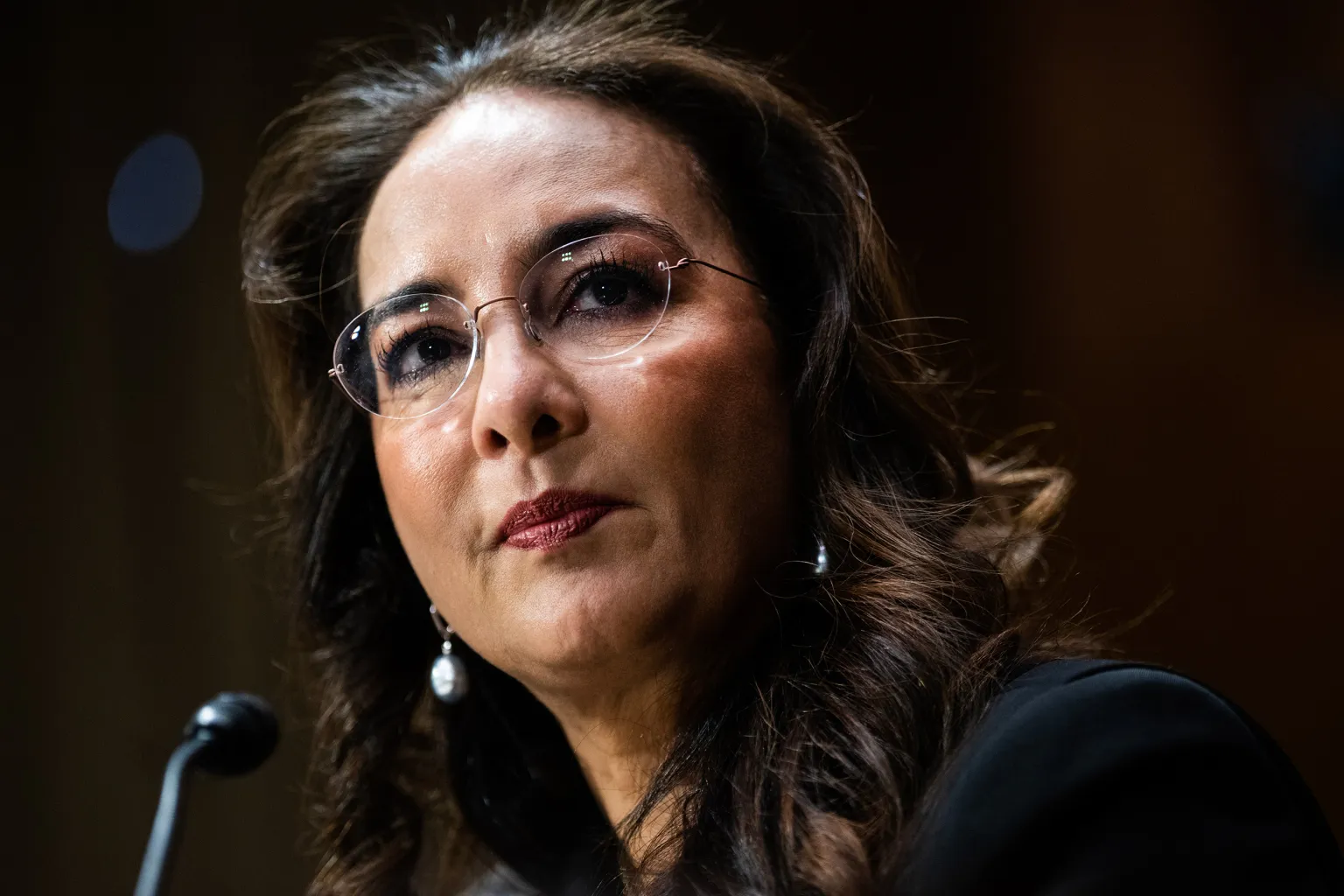
Harmeet Dhillon, an Indian-American attorney and Republican Party official confirmed as Assistant Attorney General for Civil Rights in April 2025, is the first Republican and first person of Indian origin to lead the Civil Rights Division.
Since her appointment, Dhillon has redirected the division’s focus away from traditional civil rights enforcement in areas like voting rights, employment discrimination, and police misconduct, toward issues that align more closely with the current administration’s priorities, such as combating antisemitism, defending gun rights, and challenging diversity, equity, and inclusion programs. This shift has been a point of contention among former DOJ officials and civil rights advocates who argue it undermines the division’s statutory mandate.
The resignation of key civil rights prosecutors underscores this broader trend. Many of the departing officials had decades of experience handling sensitive civil rights and law enforcement cases — work that historically included investigating police shootings and systemic abuses. Their departures signal a deepening rift between career legal professionals and political leadership within the department.
Historic Context and Broader Implications
The Civil Rights Division was established in the aftermath of the Civil Rights Act of 1957 to enforce federal protections against discrimination and unequal treatment. Over the years, its attorneys prosecuted landmark cases involving police misconduct, voter suppression, and systemic discrimination.
Under Dhillon’s tenure, however, critics assert the division has strayed from that mission. More than 200 former DOJ employees signed an open letter last year condemning the “near destruction” of the division under the current administration, claiming its priorities have shifted dramatically and its career staff have been marginalized through forced reassignments and departures.
This shift comes amid broader debates about the role of federal law enforcement and civil rights protections in the U.S., particularly under a politically polarized landscape. Supporters of the new direction argue that the DOJ is addressing previously overlooked issues, while opponents claim it weakens protections for historically marginalized communities and undermines accountability for government actions.
Legal and Political Responses to the Resignations
In Congress and across the legal community, the resignations have prompted renewed calls for transparency and accountability. Some lawmakers have questioned whether political interference is influencing prosecutorial decisions and whether the DOJ is fulfilling its constitutional obligations. Others have urged additional oversight to ensure that civil rights enforcement remains impartial and grounded in established legal standards.
At the same time, legal challenges at the state level — such as Minnesota’s lawsuit against federal authorities’ control over the forensic evidence — highlight growing friction between federal and local jurisdictions. These disputes underscore concerns that political decisions at the DOJ could have far-reaching implications for justice and governance across the country.
What This Means for the Future of Civil Rights Enforcement
The mass resignations within the Criminal Section of the Civil Rights Division, especially over a refusal to probe a fatal use-of-force incident by a federal agent, may have long-term implications for how civil rights laws are enforced in the United States. Career prosecutors, often seen as the guardians of legal standards, have signaled through their departures that they believe the division’s fundamental purpose is being compromised.
If the division continues to deprioritize investigations into police misconduct or alleged civil rights violations, public faith in the federal government’s ability to safeguard constitutional rights could erode further. Conversely, the administration’s defenders argue that the DOJ is simply recalibrating its focus toward other civil rights concerns, reflecting evolving national priorities.
The ongoing FBI probe into the Renee Good case and related legal challenges will likely remain focal points for discussions about federal oversight, accountability, and the independence of civil rights enforcement. In the coming months, how the DOJ addresses these issues could influence its role in shaping civil rights policy for years to come.
A Turning Point in DOJ Civil Rights Enforcement
The departure of senior Civil Rights Division officials following Harmeet Dhillon’s refusal to investigate the Renee Good shooting represents a pivotal moment for the Department of Justice. It highlights deep philosophical divides over the division’s mission, raises concerns about the politicization of civil rights enforcement, and casts uncertainty on the future of federal oversight in cases involving law enforcement misconduct.
Whether this signals a permanent shift in how civil rights cases are handled or a temporary conflict that will be resolved through legal and political pressures, it is certain this episode will influence debates about justice, accountability, and the rule of law for years to come.
Subscribe to trusted news sites like USnewsSphere.com for continuous updates.