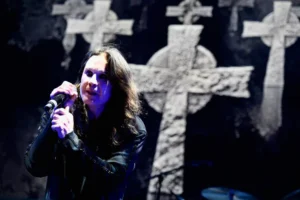
Timothée Chalamet’s opera ballet comment has sparked a major conversation across the global arts community after the Hollywood star suggested that “no one cares” about opera and ballet anymore. The statement quickly spread across media platforms and triggered reactions from dancers, musicians, and cultural leaders who defended the long-standing importance of classical performing arts.
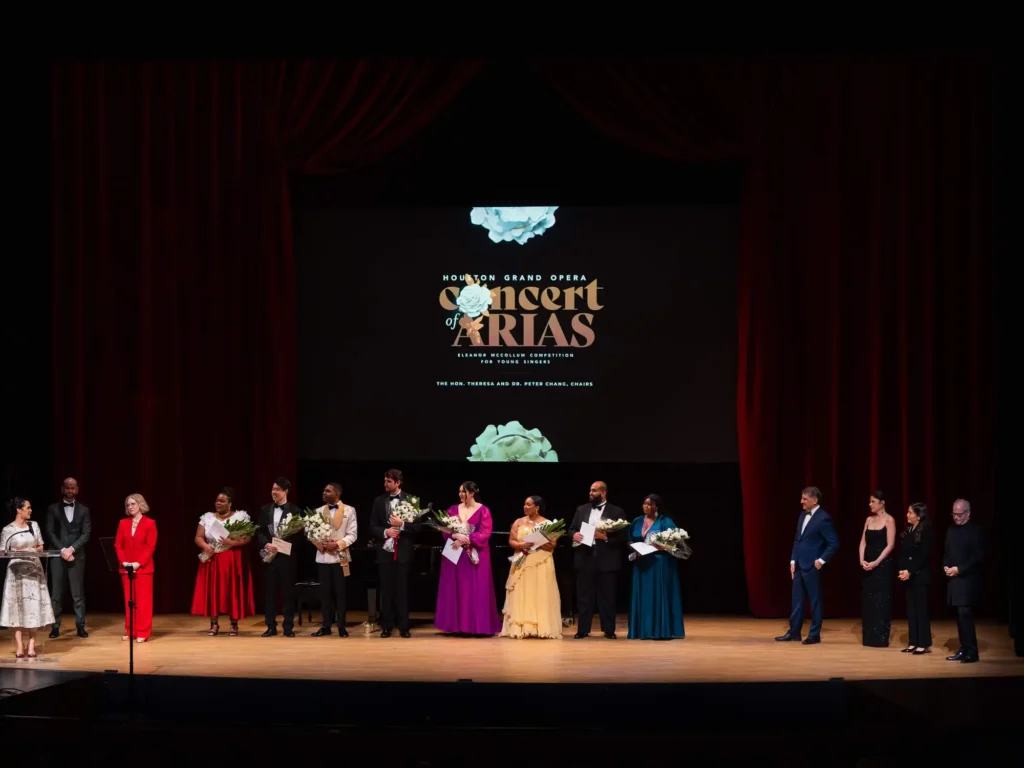
The controversy highlights a deeper debate about the future of traditional art forms in an era dominated by digital entertainment and blockbuster movies. Opera companies, ballet institutions, and arts advocates argue that these centuries-old traditions still attract millions of viewers worldwide. As discussions continue online and in cultural circles, the moment has become a reminder of how quickly comments from influential figures can ignite broader conversations about art, culture, and audience engagement.
Hollywood Meets Classical Arts: What Triggered the Debate
The discussion began after actor Timothée Chalamet made remarks suggesting that opera and ballet are not widely followed by modern audiences. His comment circulated quickly through news outlets and social media platforms, where it was interpreted by many as dismissive of traditional performing arts.
Within hours, prominent voices from the opera and ballet world began responding publicly. Several artists noted that while classical arts may not dominate mainstream pop culture conversations, they still draw loyal audiences globally. Major opera houses and ballet companies across the United States and Europe continue to sell thousands of tickets each season, demonstrating that the art forms remain culturally relevant.
Some supporters of Chalamet’s perspective argued that he may have been referencing shifting entertainment habits rather than criticizing the art forms themselves. Younger audiences often engage more with film, streaming platforms, and digital content than with traditional stage performances.
Opera and Ballet Communities Respond
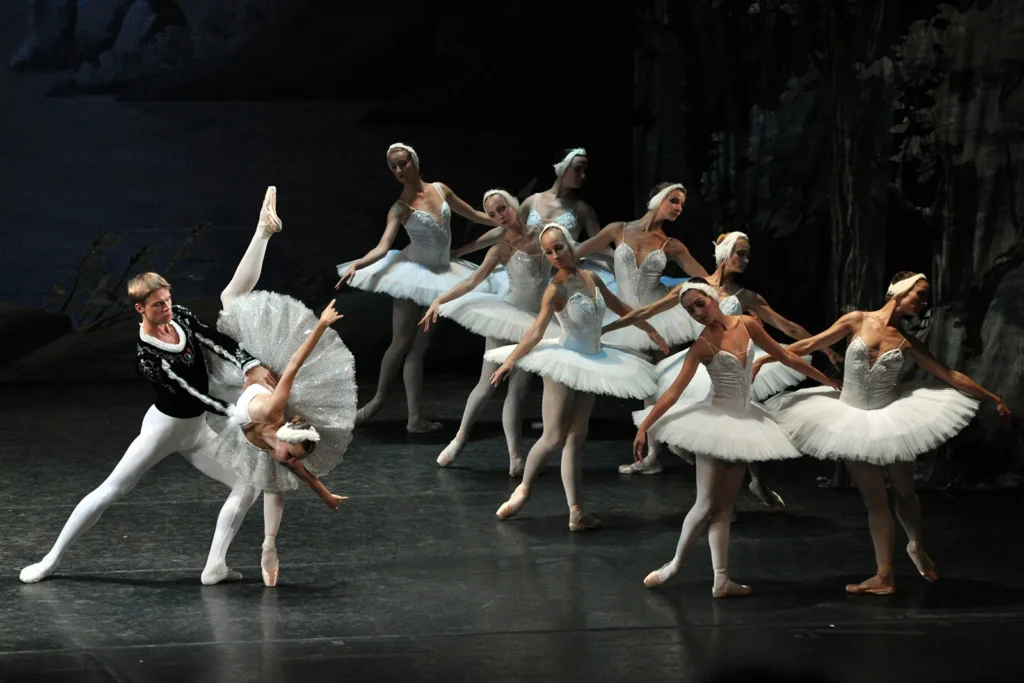
Leaders in the classical arts quickly defended their industries, emphasizing that opera and ballet remain vibrant parts of cultural life. Performers and institutions pointed out that these art forms combine music, storytelling, choreography, and stagecraft in ways few other media can match.
In cities such as New York, London, Milan, and Paris, opera houses and ballet companies still attract international audiences and generate significant cultural tourism. Major institutions often stage hundreds of performances every year and employ thousands of artists, technicians, and production staff.
Artists also noted that opera and ballet have evolved over time to remain relevant. Many productions now incorporate modern staging, innovative choreography, and collaborations with contemporary composers. These changes aim to make classical performance more accessible to new generations without abandoning its historical roots.
Why This Matters Now for the Arts Industry
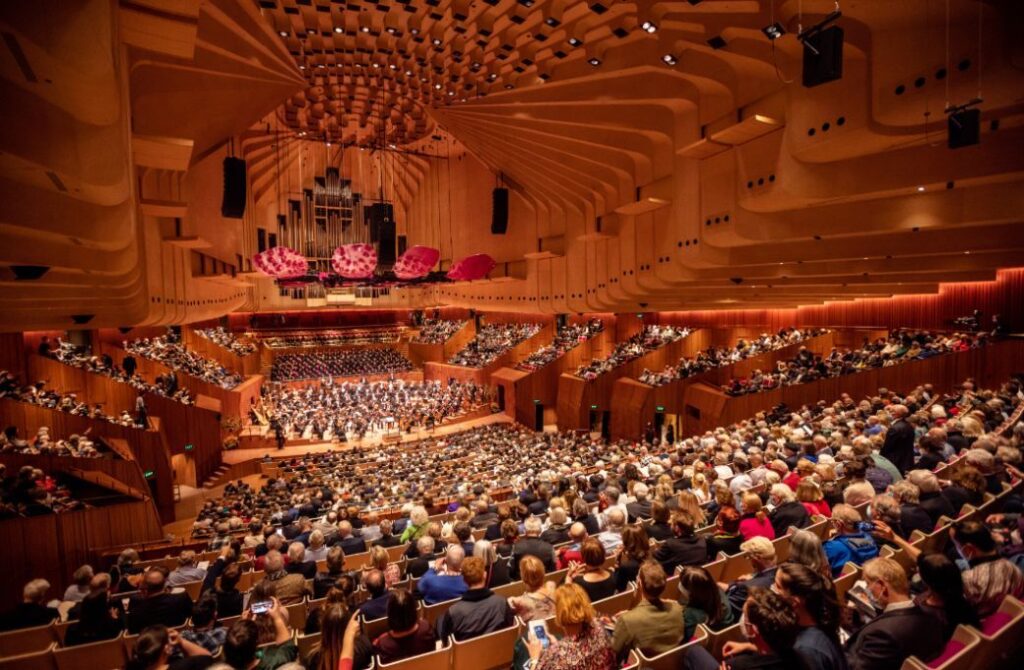
The controversy comes at a moment when many performing arts organizations are working to rebuild audiences after pandemic disruptions earlier in the decade. Attendance in theaters and concert halls declined globally during that period, forcing institutions to rethink how they connect with the public.
As a result, many companies are investing in digital marketing, live-streamed performances, and social media engagement to reach younger audiences. Some opera houses now broadcast performances online or partner with cinemas to expand their reach beyond traditional venues.
This debate, therefore, reflects a broader challenge faced by cultural institutions: how to maintain tradition while adapting to changing entertainment habits. The discussion sparked by Chalamet’s remark highlights the tension between historic art forms and rapidly evolving media consumption trends.
The Enduring Global Influence of Opera and Ballet
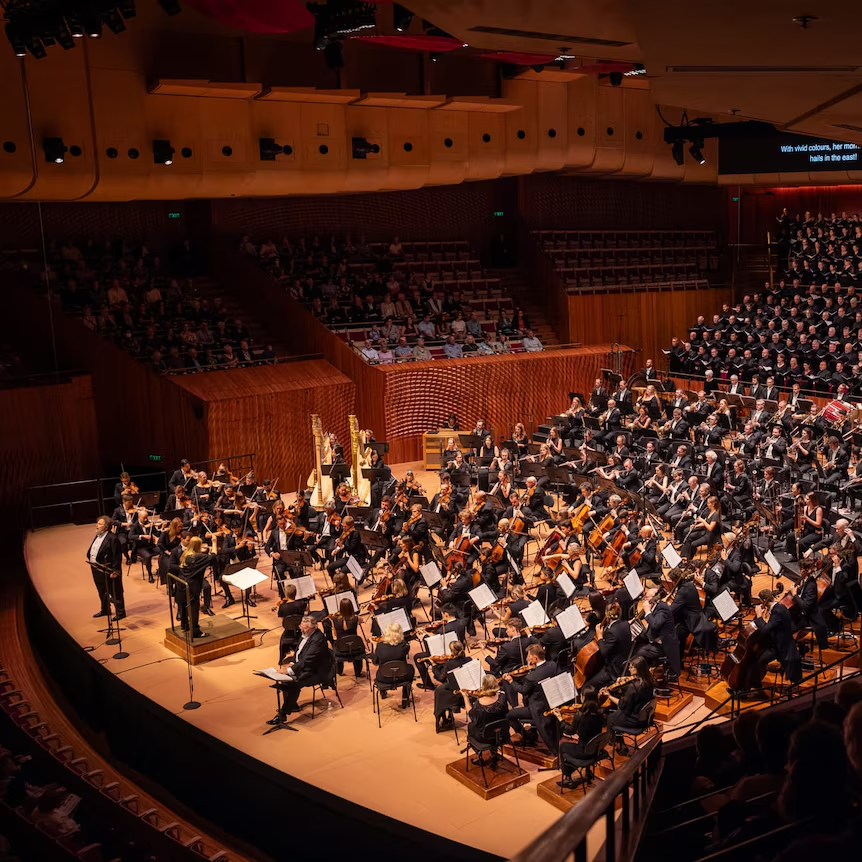
Despite the debate, opera and ballet remain influential artistic traditions that have shaped global culture for centuries. Opera originated in Italy in the late 16th century and evolved into a major form of musical storytelling across Europe and the United States. Ballet similarly developed into one of the most recognized forms of dance worldwide.
Today, institutions such as major opera houses and ballet companies continue to premiere new works, train emerging performers, and preserve historic productions. International festivals and touring performances bring these art forms to audiences far beyond their traditional home cities.
Educational programs also play a significant role. Many arts organizations run youth outreach initiatives that introduce opera and ballet to students who might not otherwise experience live performance. These programs aim to cultivate the next generation of artists and audiences.
How Social Media Amplified the Conversation
One reason the story gained such rapid attention is the role of social media in shaping cultural discussions. Comments made in interviews or casual conversations can now circulate globally within minutes, attracting responses from artists, critics, and fans.
The opera and ballet community used these platforms to share clips of performances, explain the history of their art forms, and highlight the emotional impact of live stage productions. Supporters emphasized that classical performance offers an immersive experience that differs significantly from film or streaming entertainment.
At the same time, the conversation also encouraged broader discussions about accessibility. Some critics pointed out that high ticket prices and limited outreach can make classical arts appear exclusive, while others argued that many institutions already offer affordable programs and community performances.
The Future of Classical Performing Arts
The debate sparked by Chalamet’s remark may ultimately strengthen awareness of opera and ballet. Moments of controversy often bring renewed attention to cultural traditions that might otherwise receive limited mainstream coverage.
Industry leaders say the future of classical arts depends on balancing innovation with preservation. New productions, modern storytelling approaches, and digital engagement strategies are increasingly important for reaching younger audiences while keeping the essence of the art intact.
As the conversation continues, one point remains clear: opera and ballet have survived centuries of cultural change. Whether through grand theaters or digital platforms, these art forms continue to adapt and inspire audiences around the world.
Subscribe to trusted news sites like USnewsSphere.com for continuous updates.