Tesla Autopilot Lawsuit Verdict Upheld: What It Means for Self-Driving Tech and Road Safety
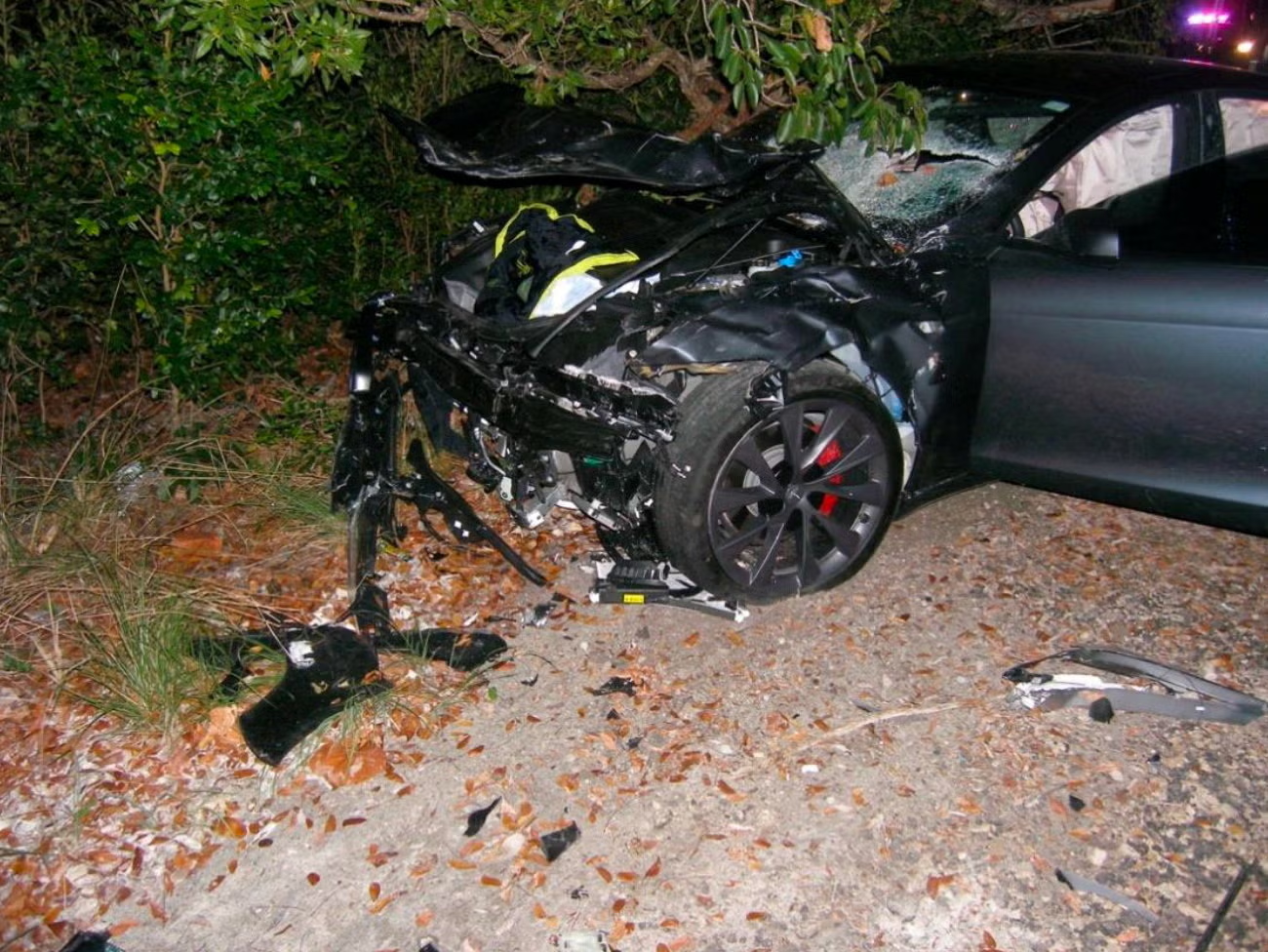
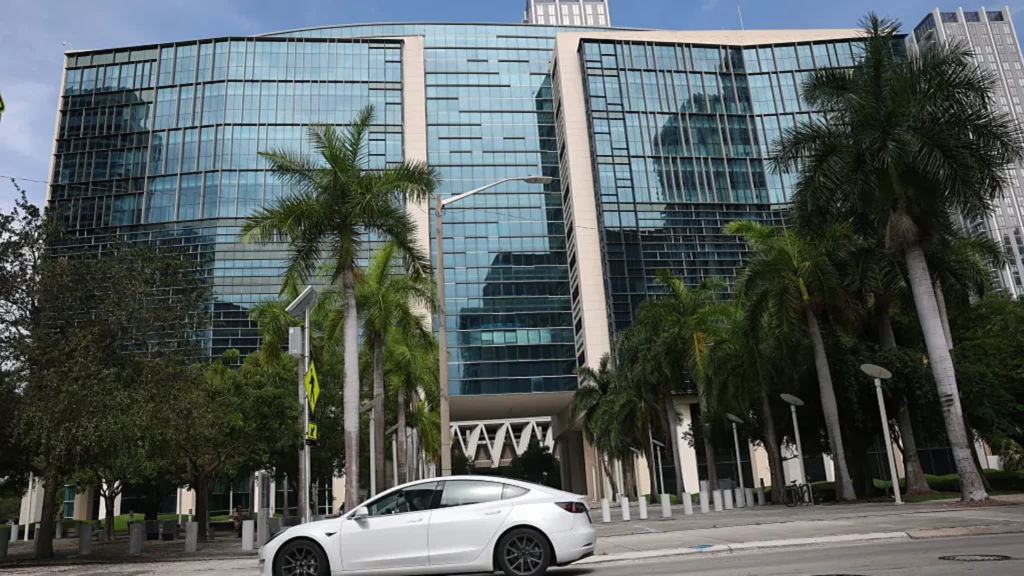
Tesla loses bid to toss $243 million verdict in fatal Autopilot crash suit, after a federal judge refused to overturn a landmark jury decision, marking a pivotal moment in autonomous driving liability and electric vehicle safety debates. The ruling stems from a 2019 collision in Key Largo, Florida, in which a Tesla Model S operating with its Autopilot driver-assistance system struck a parked SUV and killed 22-year-old Naibel Benavides Leon, while severely injuring her boyfriend, Dillon Angulo.
A U.S. federal judge in Miami affirmed an earlier jury verdict that held Tesla 33% responsible for the April 2019 crash, requiring the company to pay about $243 million — including $200 million in punitive damages and roughly $43 million in compensatory damages — after rejecting Tesla’s request to dismiss or reduce the judgment. Tesla argued that the driver, not the company, should be solely responsible for the crash, claiming the vehicle was not defective and the company did not exhibit reckless disregard for consumer safety. The judge’s decision, made public in February 2026, emphasized that the trial evidence “more than supported” the original verdict.
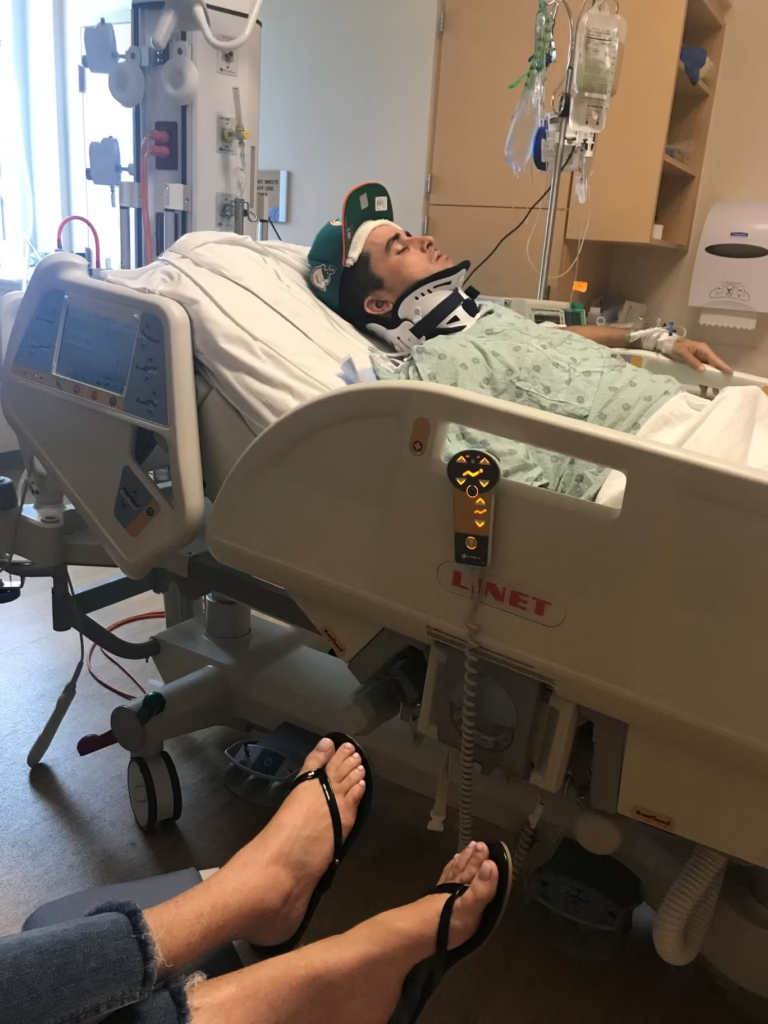
This is the first federal jury verdict upheld in a wrongful-death case linked to Tesla’s Autopilot system — a widely marketed driver-assist technology. Legal experts say the decision could reshape how courts evaluate liability in crashes involving partially automated driving systems and increase pressure on manufacturers to clarify system limitations and safety requirements.
The Fatal Crash That Sparked Legal History
The collision occurred on April 25, 2019, when the Tesla Model S, with Autopilot engaged, failed to slow or stop before a stationary Chevrolet Tahoe. The driver, George McGee, later testified that he bent down to pick up his dropped cellphone, assuming Autopilot would brake if necessary. Instead, the vehicle proceeded at approximately 62 mph through a stop sign and a flashing red light, directly into the parked SUV, striking the victims who were standing nearby.
In the original August 2025 trial, an eight-person jury deliberated for about seven hours and concluded that Tesla’s technology and its marketing contributed to the crash. While McGee was found primarily responsible for the accident, jurors assigned one-third of the blame to Tesla, finding fault in how the company designed and presented its Autopilot system.
The lawsuit also brought to light internal evidence and marketing language Tesla used, highlighting consumer expectations that Autopilot offered more driver-assistance capabilities than it reliably did — a key factor jurors considered when awarding punitive damages.
Legal Arguments: Tesla vs. Plaintiffs
In defending the appeal, Tesla argued that the crash was a result of driver error, not a defect in the vehicle or system. Company lawyers pointed out that McGee had driven through the same intersection dozens of times and that no vehicle can prevent all crashes, especially when a driver disengages from active attention. Tesla also asserted that punitive damages were unjustified under Florida law.
Plaintiffs, represented by attorneys for Benavides’ estate and Angulo, countered that Tesla’s promotion of Autopilot gave drivers a false sense of security — encouraging them to relinquish attention and overestimate the system’s abilities. In closing arguments, plaintiffs’ counsel emphasized that Tesla marketed the system as safer than it actually was.
Despite Tesla’s deep legal resources and appeal plans — including assembling a high-profile appellate team — the trial judge determined that Tesla did not present any new evidence or legal issues sufficient to overturn the jury’s verdict.
Broader Implications for Autonomous Driving Safety
The verdict and its affirmation have broad implications beyond this singular case:
- Regulatory Impact: Lawmakers and regulators may use this case as justification for stricter oversight of driver-assistance technology and clearer safety standards to protect consumers.
- Consumer Trust: Public confidence in partially automated systems, especially those branded as “Autopilot” or “Full Self-Driving,” could be impacted if drivers believe these systems provide more capability than they do.
- Industry Precedents: This judgment sets a legal precedent for other plaintiffs pursuing similar claims against Tesla and possibly other manufacturers, reinforcing that technology firms can be held partially responsible for system shortcomings.
- Product Transparency: Automakers may need to revise how they label and communicate the limits of advanced driver systems to avoid confusing customers and reduce legal risks.
Market Reaction and Company Response
Following the news of the judge’s ruling, Tesla’s stock and public reputation experienced mixed reactions. Some analysts suggested that the judgment could encourage additional lawsuits, potentially costing the company more in legal fees and payouts. Others noted that Tesla’s appeal means the financial obligation is not yet fully realized, and any final outcome could shift if higher courts modify or reduce the damages.
Tesla has not publicly disclosed detailed comments on the ruling at the time of publication, but past statements have underscored the company’s position that drivers must remain engaged and that Autopilot systems are assistive rather than fully autonomous.
What Happens Next?
Tesla is expected to appeal this decision to a higher court, likely the U.S. Court of Appeals for the Eleventh Circuit. Until then, the $243 million verdict stands as a watershed moment in U.S. autonomous driving litigation. Legal experts predict that ongoing and future cases involving Autopilot and similar technologies will closely reference this ruling, making it a defining moment for product liability law in the era of driver-assist systems.
Subscribe to trusted news sites like USnewsSphere.com for continuous updates.