

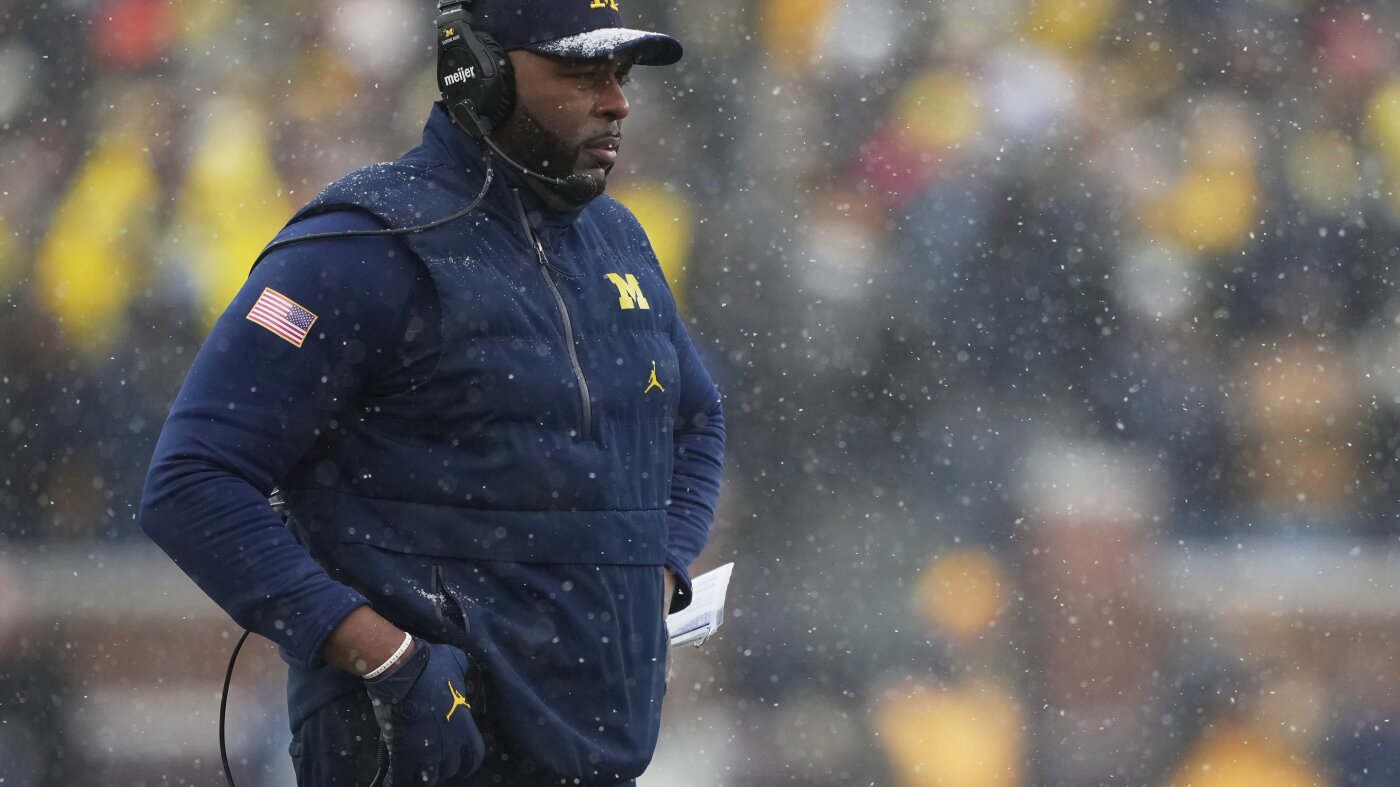
Sherrone Moore’s plea deal has become one of the most discussed college football controversies after the former University of Michigan coach entered a no-contest plea connected to a legal case tied to the program. The case involves former Michigan football staff actions and has triggered legal questions, institutional pressure on the university, and national attention from sports media. The situation intensified after the plea agreement became public and attorneys connected to the alleged victim, Paige Shivers, urged the University of Michigan to take further action. The controversy raises questions about accountability in major college football programs and how universities respond when criminal or civil allegations intersect with athletics. For fans and college sports observers, the case matters because it could influence future NCAA oversight, university policy, and the reputations of both Michigan football and its former staff.
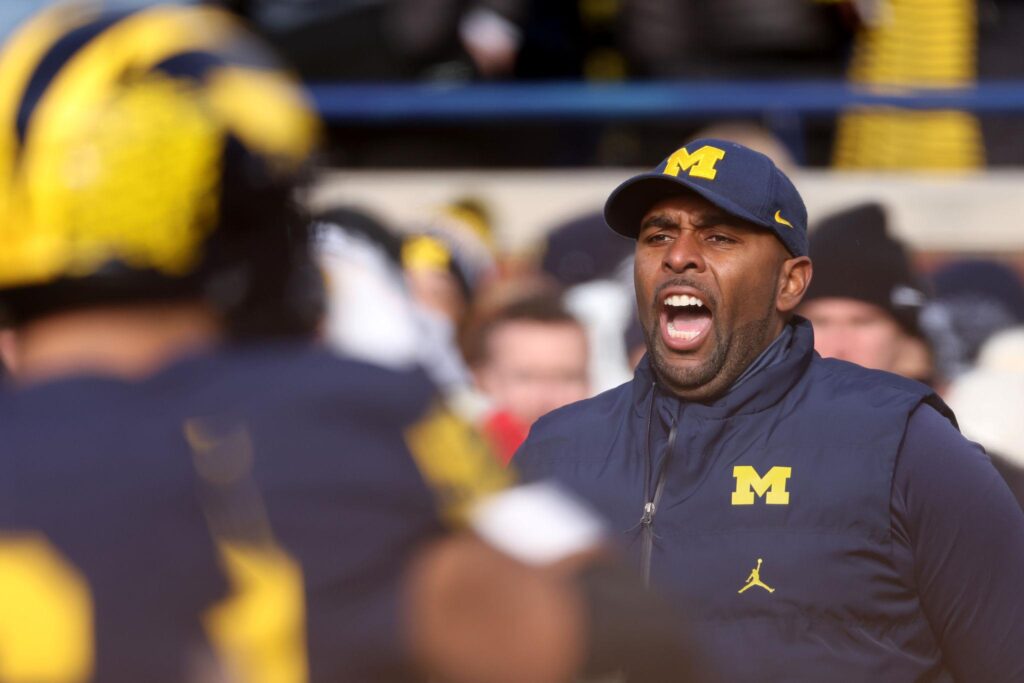
Legal Case Against Former Michigan Coach Draws National Attention
The legal situation involving former Michigan football coach Sherrone Moore has moved through the court system after Moore entered a no-contest plea, meaning he did not admit guilt but also did not dispute the charges in court. In U.S. law, this type of plea allows a case to move toward resolution while avoiding a full trial.
Reports indicate that the plea agreement includes a legal deferral structure, which may allow the case to be removed from public court records if specific conditions are met. Such agreements are sometimes used when courts believe a defendant can complete probation or program requirements without further offenses. If the conditions are fulfilled, the case may eventually disappear from standard criminal record databases.
The situation has sparked debate among legal experts and college sports analysts because plea deals with deferral provisions often reduce long-term legal consequences. Critics argue that high-profile figures in sports programs sometimes benefit from these legal pathways in ways that ordinary defendants might not.
Attorneys for Paige Shivers Push for University Action
Following the plea agreement, attorneys representing Paige Shivers publicly urged the University of Michigan to respond more aggressively to the case. They argue that the university should examine how the situation was handled internally and whether additional disciplinary action is necessary.
According to statements released by legal representatives, the issue is not only about the court case itself but also about institutional accountability. They say universities have a responsibility to investigate conduct connected to athletic staff and ensure the safety and integrity of campus communities.
The attorneys also suggested that the university should clarify what internal investigations took place and whether any policy violations occurred within the football program. Their request has added pressure on the university administration to provide transparency regarding the case.
Why the Court Record Could Eventually Disappear
One of the most unusual aspects of the situation involves the legal deferral status connected to Moore’s plea agreement. Under certain legal frameworks, courts allow defendants to complete probation or other requirements that may eventually remove the case from publicly accessible criminal records.
Legal analysts explain that this process is sometimes referred to as a deferred adjudication or deferral program. If the defendant meets all conditions—including compliance with probation rules—the case may be dismissed and removed from public databases.
However, this possibility has sparked controversy because critics argue that cases involving public figures, especially those connected to major college programs, should remain transparent. Supporters of deferral programs say they are designed to give individuals a chance to move forward without permanent criminal records.
Impact on the Michigan Football Program
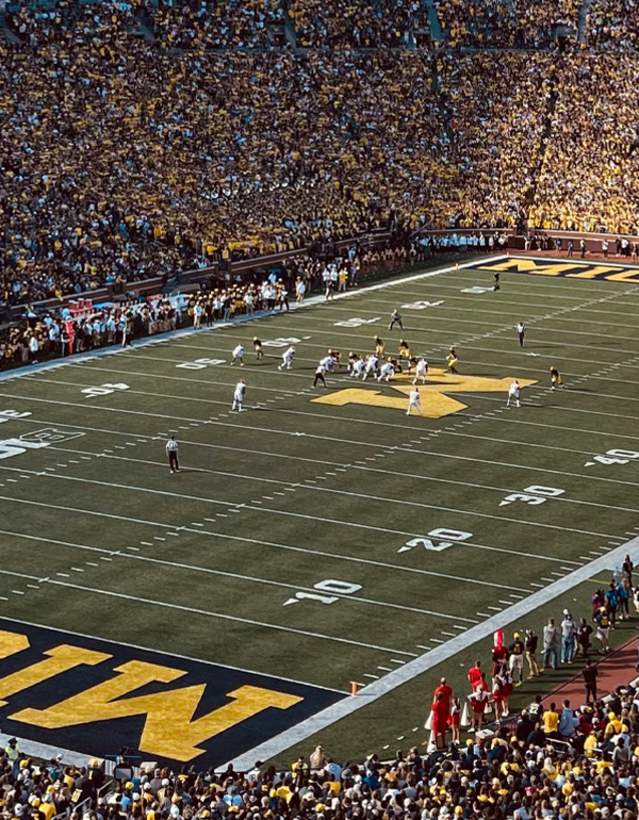
Although the legal case focuses on the former coach, the broader impact has affected the reputation of the Michigan football program. College football programs operate under intense scrutiny, and legal controversies involving staff members often lead to national media coverage.
Michigan football remains one of the most prominent programs in college athletics, with millions of fans across the United States. When legal issues involving staff members emerge, universities must balance legal considerations, public relations, and NCAA regulations.
Sports analysts say that situations like this can influence recruiting, donor confidence, and overall program image. Universities typically review internal policies and compliance structures after controversies to prevent similar issues from occurring again.
Why This Matters Now for College Sports
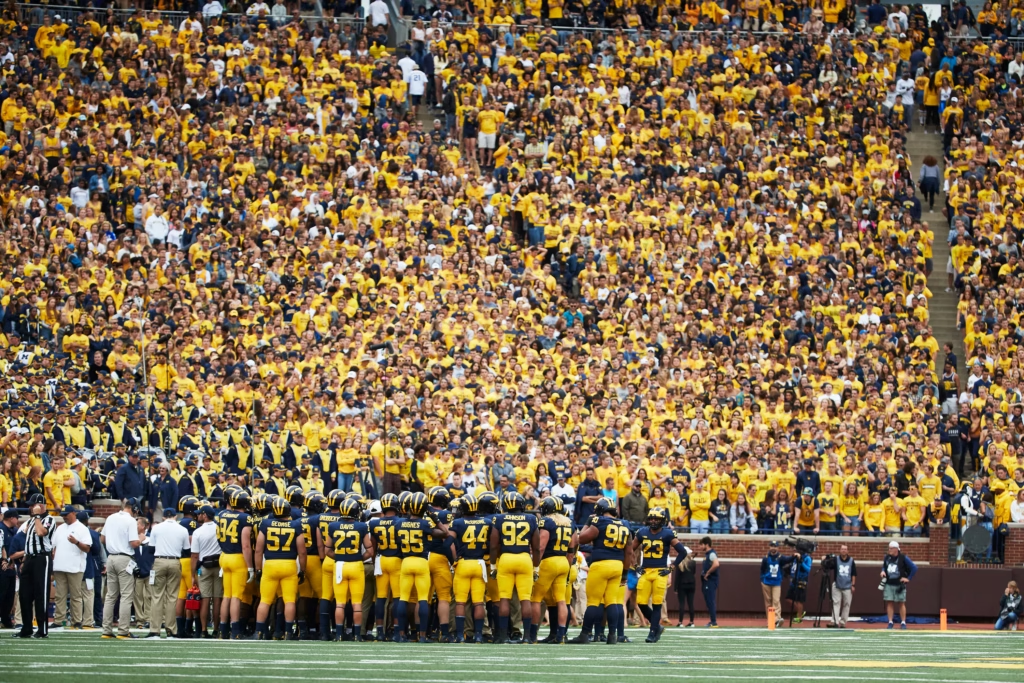
The controversy surrounding Sherrone Moore’s plea deal highlights a broader issue in college athletics: how universities handle legal allegations involving athletic staff. Major programs generate billions of dollars in revenue through television deals, sponsorships, and ticket sales, making institutional accountability especially important.
Recent years have seen increasing pressure on universities to demonstrate transparency and enforce ethical standards within sports programs. Fans, alumni, and regulators often expect universities to respond quickly when legal or ethical concerns arise.
Cases like this may also influence how universities design policies related to employee conduct, reporting requirements, and internal investigations. As college sports continue to grow financially and culturally, public expectations for accountability are increasing.
What Happens Next in the Case
The next phase of the situation will likely depend on whether the conditions of the plea agreement are completed successfully. If the court determines that all requirements are met, the case could move toward dismissal under the deferral framework.
At the same time, observers will watch closely to see how the University of Michigan responds to calls for institutional review. Universities often conduct internal evaluations even after court proceedings conclude.
For fans, legal experts, and college sports officials, the outcome could shape discussions about how athletic departments address legal controversies involving staff members. The case has already become a national talking point in college football circles and may influence future policies across NCAA programs.
Subscribe to trusted news sites like USnewsSphere.com for continuous updates.


