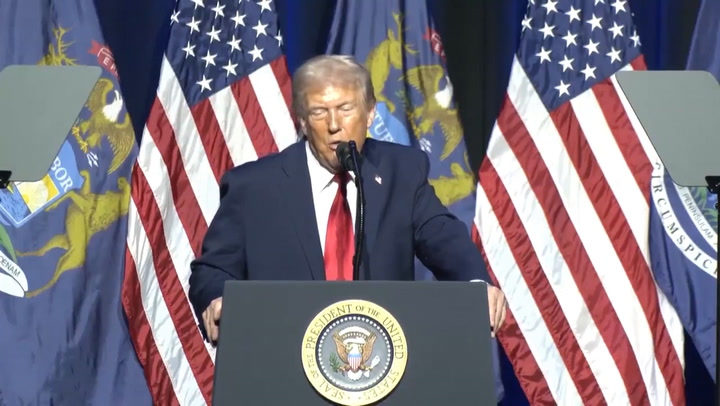
The personal data of approximately 4,500 U.S. Immigration and Customs Enforcement (ICE) and Department of Homeland Security (DHS) agents was recently uploaded to an online database, heightening concerns about privacy, safety, and growing tensions surrounding federal law enforcement policies.
This unprecedented leak, driven by an internal whistleblower and amplified through public contributions, has become one of the largest reported exposures of federal enforcement personnel information in recent history — prompting intense debate about privacy rights, cybersecurity vulnerabilities, and the dangerous consequences of doxxing law enforcement officers and support staff.
A Whistleblower Shared Sensitive Agency Data, Source Says
According to reports, a DHS employee provided a confidential dataset containing personal identifying details of thousands of ICE agents, Border Patrol officers, and supporting DHS personnel to the operator of a public database called ICE List.
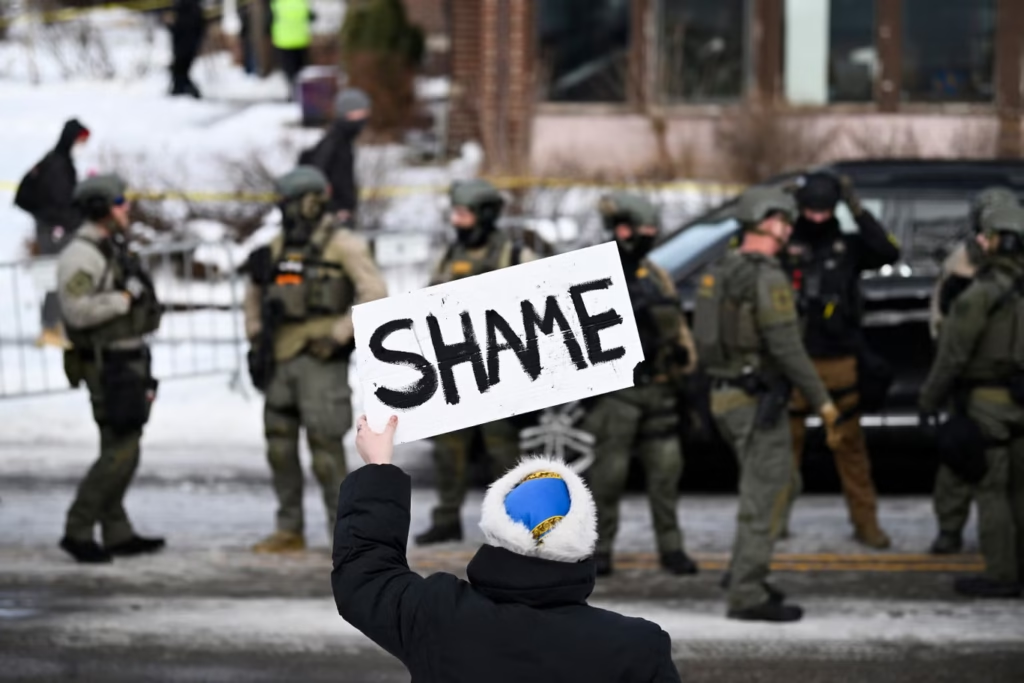
This dataset reportedly expanded what the site previously held — around 2,000 individuals — to at least 4,500 active or former federal agents.
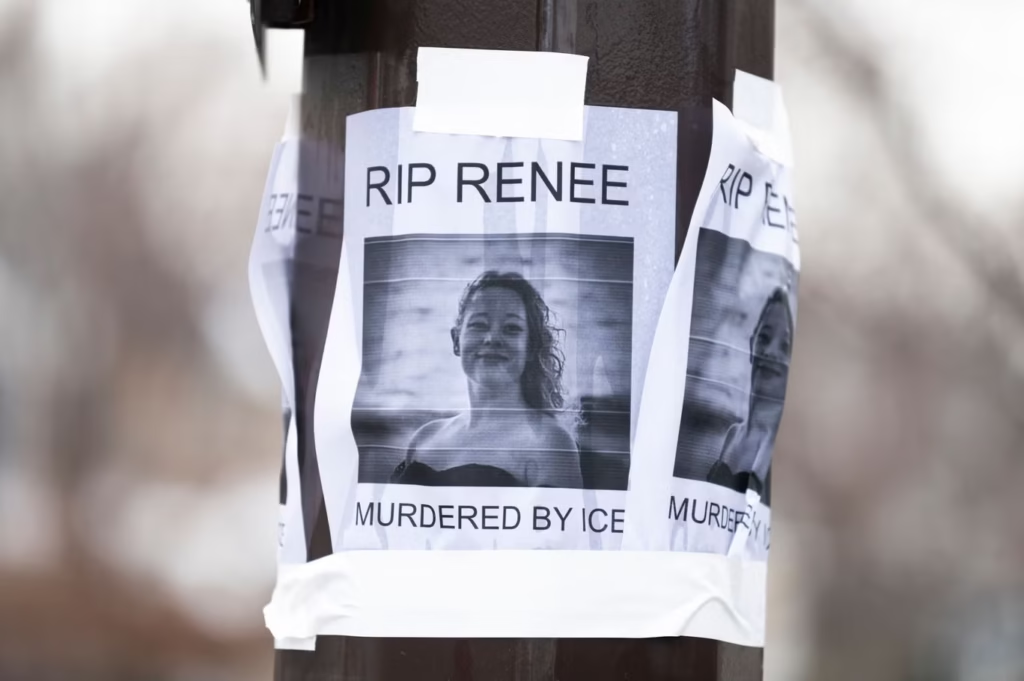
The founder of ICE List, Dominick Skinner, who resides in the Netherlands, described the leak as a turning point that triggered expanded public submissions of information, especially following the fatal shooting of protester Renee Good. Critics say the leak reflects not just cyber vulnerability, but also internal opposition within parts of the government toward aggressive enforcement tactics.
ICE List aggregates reported personal data, employment history, and incident information about federal agents and makes it searchable by state. The founder claims that the dataset has grown considerably since the leak, now representing one of the most extensive public collections of ICE-related personnel information anywhere online.
Why This Leak Matters: Safety, Legal, and Security Risks
Privacy experts, lawmakers, and federal law enforcement officials have all warned that exposing personal information of agents — including names, roles, and locations — creates real security risks for both agents and their families.
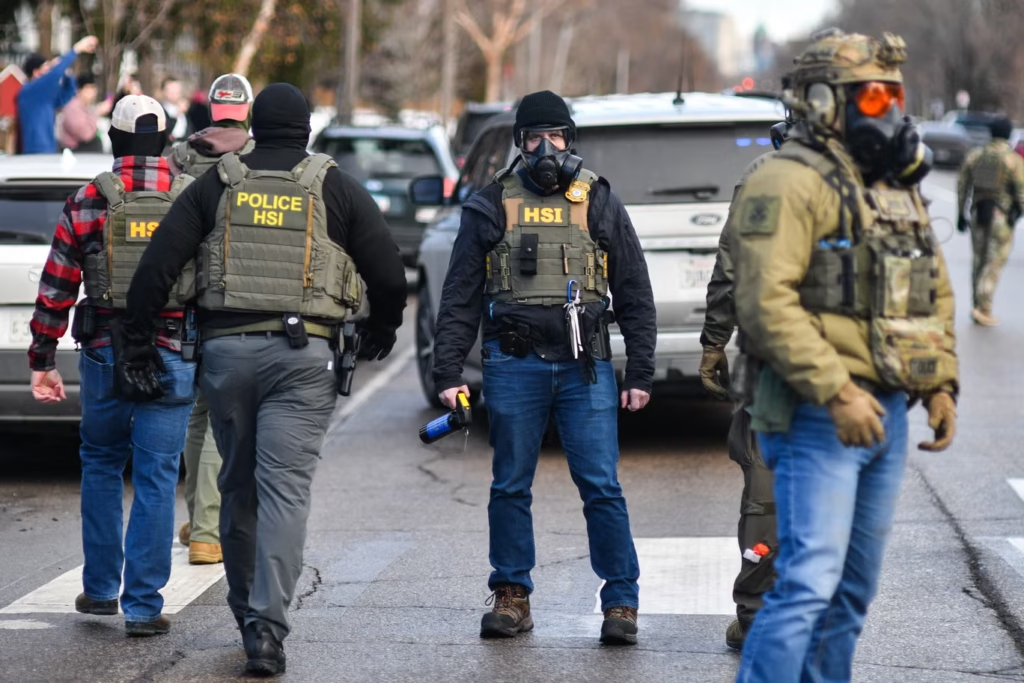
Department of Homeland Security officials have publicly condemned the leak, with statements describing the distribution of personal data as potentially constituting thousands of federal crimes and placing government personnel in grave danger.
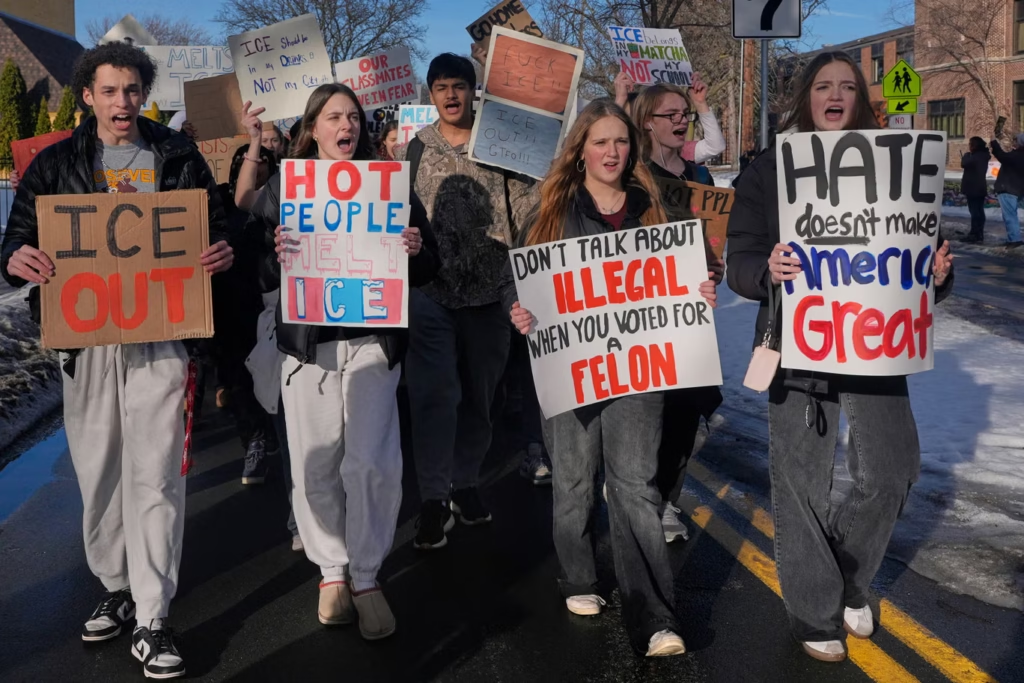
Officials cited an alarming rise in threats and assaults against federal agents — including a dramatic increase in death threats and violent attacks — long before this leak. Critics argue that these heightened threats, combined with publicly available personal information, could embolden extremist actors or criminal networks that oppose law enforcement policies.
Some federal security analysts also point to broader historical trends, where doxxing — the deliberate exposure of someone’s personal information online — has been used to harass or intimidate public figures and officials. Those patterns suggest that exposing sensitive data publicly can lead to harassment, stalking, and sometimes physical danger for targeted individuals. (Historical analogy: other major doxxing sites like Exposed.su have previously published personal information for high-profile individuals on the internet, underscoring the dangers of online exposure.)
Context of Broader Cyber Threats to Federal Agencies
The ICE list leak comes amid a broader pattern of cyberattacks and doxxing campaigns targeting U.S. federal personnel. In late 2025, a well-known hacking collective referred to as “The Com” claimed to have breached multiple federal agencies, leaking details on hundreds of DHS, DOJ, and FBI officials.
Such incidents underscore systemic cybersecurity challenges facing government networks, where politically motivated hackers and whistleblowers alike have found ways to access and redistribute sensitive information.
In several cases, the leaked data included names, office locations, email addresses, and sometimes home addresses — putting public servants, and potentially their families, at risk of harassment or targeted violence.
These high-profile cyber breaches fuel public discussion around the adequacy of government cybersecurity infrastructure, internal access controls, and the balance between transparency and safety in democratic societies.
Public Debate: Accountability or Recklessness?
The spontaneous surge of public contributions to ICE List since the leak — including tips about agent identities and incident records — has intensified debate in the United States over the ethics and legality of exposing enforcement personnel information online.
Supporters of transparency argue that because federal law enforcement actions have broad impacts on communities — especially immigrant families — the public has a right to know who enforces these policies. They say that crowdsourced databases can empower democratic oversight and accountability.
Opponents, including many law enforcement advocates and several lawmakers, counter that sharing private information online crosses a dangerous line into harassment and endangers individual safety. Laws such as the proposed Protecting Law Enforcement from Doxxing Act aim to criminalize the intentional release of personal data of officers, demonstrating ongoing legislative efforts to restrain such practices.
These contrasting viewpoints reflect broader tensions in American society over law enforcement practices, civil liberties, and the role of social media and digital tools in political activism.
Government and Legal Responses to Doxxing and Cyber Threats
Several federal authorities have warned that doxxing federal agents could undermine national security and public safety. Homeland Security officials described rising threats against ICE and other law enforcement offices, and federal prosecutors have occasionally brought charges against individuals accused of sharing personnel information with malicious intent.
In earlier incidents, federal prosecutors charged activists in California related to doxxing an ICE agent — illustrating that federal law enforcement may pursue legal action against individuals who publish private details of officers.
At the same time, interagency cybersecurity efforts continue to strengthen defenses against external breaches. Ongoing cooperation between DHS and private cybersecurity firms aims to close gaps that might allow unauthorized access to confidential databases.
However, the whistleblower element of the ICE List leak presents unique legal and ethical challenges — because it implies that the information was released by someone within the system who had legitimate internal access. That raises questions about internal monitoring, oversight, and accountability protocols within federal agencies.
Safety Concerns for Agents and Broader Impacts
Security analysts emphasize that when personal information is publicly accessible, it can be used by malicious actors to inflict harm, ranging from threatening phone calls and online harassment to physically stalking individuals or targeting homes or families.
Recent government warnings have pointed to extremist groups and criminal networks potentially exploiting exposed information to intimidate or disrupt federal operations. The linkage between leaked personal data and actual threats is difficult to quantify, but law enforcement officials treat such leaks with the highest seriousness due to worst-case consequences.
Beyond direct threats, the psychological toll on agents and their families should not be understated. Families of federal agents, previously shielded by the general privacy norms of government employment, may now face unwanted public attention and possible harassment, further exacerbating stress and personal risk factors.
Balancing Transparency, Security, and Civil Liberties
The recent leak of personal information of thousands of ICE and DHS personnel is a watershed moment in the ongoing struggle to balance public transparency, digital privacy, cybersecurity, and public safety.
While transparency advocates argue for accountability in law enforcement, security experts warn that the unfettered publication of personal data can expose individuals to significant danger. This incident not only highlights vulnerabilities within government systems but also sheds light on how rapidly dynamic political discourse and digital platforms can intersect with national security concerns.
As debates continue over the ethical, legal, and practical implications of such data leaks, one thing is certain: the United States — along with agencies tasked with upholding the law — must reconcile the need for accountability with the imperative to protect those who serve in sensitive and potentially dangerous roles.
Subscribe to trusted news sites like USnewsSphere.com for continuous updates.