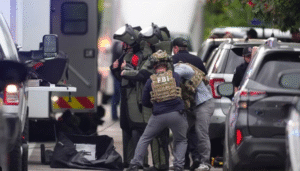
Five Native Americans were detained by U.S. Immigration and Customs Enforcement (ICE) agents during an extensive and highly controversial enforcement operation across the Minneapolis area — part of what federal officials have called the largest immigration enforcement action in U.S. history. This surge of federal forces has triggered widespread fear, anger, and protests in communities already grappling with the aftermath of a fatal shooting by an ICE agent that has intensified national scrutiny.
Escalating Federal Enforcement in Minneapolis
The city of Minneapolis has become the epicenter of a sweeping immigration enforcement campaign involving roughly 2,000 federal agents from ICE, U.S. Customs and Border Protection (CBP), and other Department of Homeland Security (DHS) units. According to official statements, this surge — described as the largest of its kind — is aimed at aggressively identifying and apprehending individuals allegedly in violation of federal immigration laws, including those connected to fraud investigations in Minnesota.
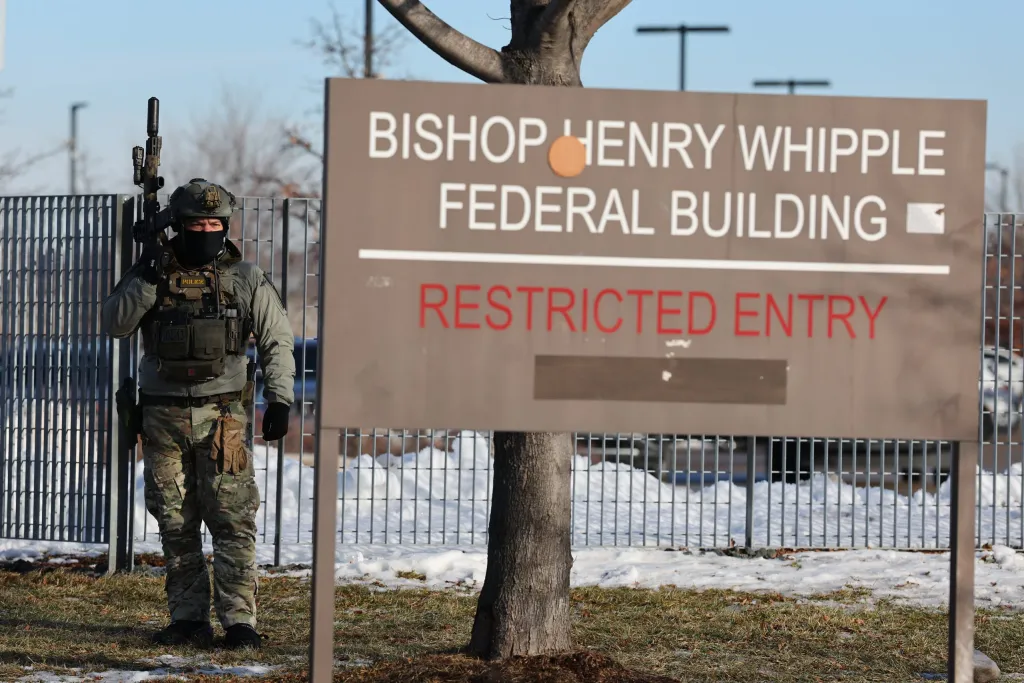
However, the sheer scale of this deployment has alarmed local residents and advocacy groups, especially in neighborhoods with significant Native American and immigrant populations. The presence of heavily armed agents patrolling residential areas has led many to describe an atmosphere of intimidation and fear. Reports indicate that at least five Native American men have been taken into custody, and an unknown number more questioned or stopped by agents during checkpoints and street operations.
Community leaders have raised concerns that these actions go beyond lawful enforcement and verge on racial profiling and rights violations. Indigenous residents say agents have approached individuals without clear identification or probable cause, creating tension and mistrust between federal authorities and local communities.
Personal Stories from Those Detained
Among the most troubling accounts to emerge has been that of Jose Roberto “Beto” Ramirez, a young Ojibwe man who says he was forcibly detained by ICE agents despite repeatedly identifying himself as a U.S. citizen and descendant of the Red Lake Nation. Ramirez described being handcuffed and transported in a dark SUV, telling reporters he felt “like I was kidnapped” as agents allegedly dismissed his claims of citizenship. This story highlights the fear and confusion faced by individuals in these operations, especially those from Indigenous and minority communities who may already feel vulnerable under federal scrutiny.
Such personal narratives add an essential human dimension to the statistics and official statements, underscoring the real-world impact of aggressive enforcement on everyday lives. Ramirez’s account, coupled with other reports of detentions without proper documentation or clear explanation from authorities, has amplified calls for greater transparency and accountability from ICE and DHS.
A Deadly Incident Fuels Outrage and Protest
The backdrop to these detentions includes a recent and highly controversial fatal shooting by an ICE agent in South Minneapolis. A 37-year-old woman, identified as Renee Nicole Good, was shot and killed during a confrontation with federal agents earlier in the week, an incident that has sparked protests and intensified scrutiny of ICE tactics nationwide.
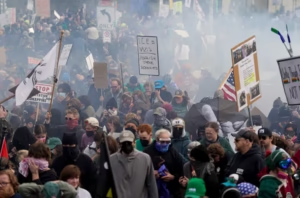
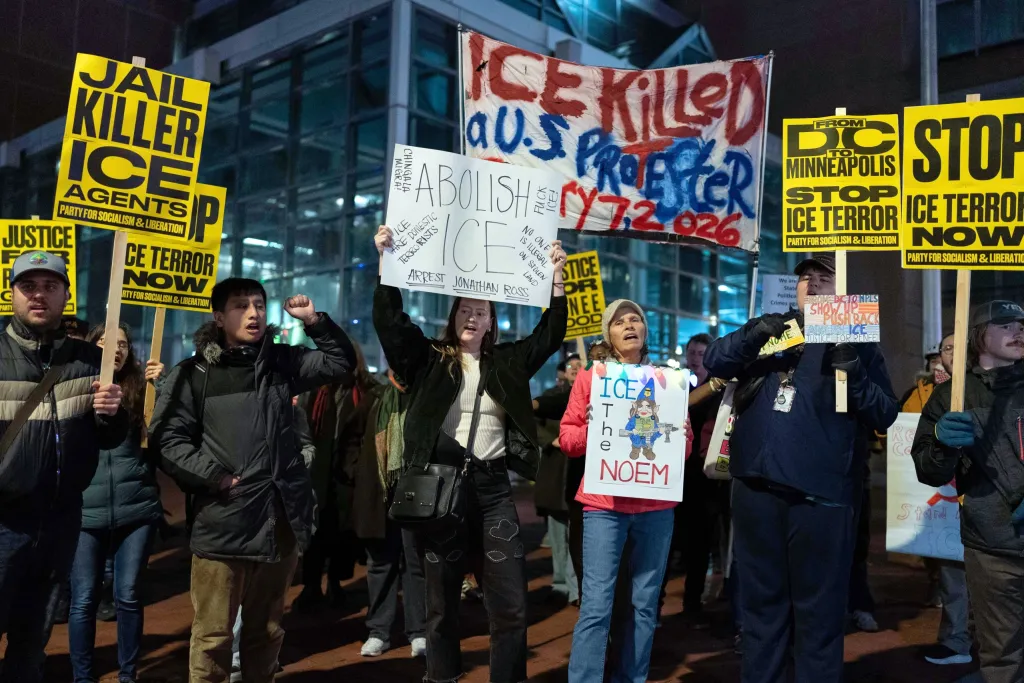
Local officials and witnesses have sharply disputed the federal government’s characterization of the shooting as an act of self-defense. While DHS officials contend the agent fired after the woman’s vehicle posed a threat, eyewitnesses and city leaders counter that available video evidence does not clearly support this narrative. In response, protests have erupted across Minnesota and in cities like Seattle, with activists demanding an end to the raids and justice for Good.
The combination of this fatal shooting and the ongoing detentions has created a volatile environment, bringing national attention to Minneapolis as a flashpoint in the broader debate over immigration enforcement and civil liberties.
Legal and Sovereignty Concerns of Native American Communities
Native American advocacy groups have emphasized that Indigenous peoples hold a unique legal status under U.S. law. Many are citizens of federally recognized tribes and the United States by birth, which complicates the legal basis for ICE detentions in these cases. Leaders from tribes such as the Oglala Sioux have voiced strong concerns that their citizens are being improperly targeted and that federal agents are not adequately considering tribal sovereignty or citizenship status when making detention decisions.
Lawyers representing tribal members are reportedly working to confirm the identities and legal statuses of those detained, emphasizing that tribal affiliation and rights must be respected under federal statutes. Advocates have pointed out that tribal members who can prove U.S. citizenship and tribal membership should not be subject to immigration detention solely on the basis of appearance or neighborhood presence.
These legal arguments are drawing support from civil rights organizations, which warn that indiscriminate detentions undermine trust in law enforcement and violate constitutional protections. The situation has sparked broader discourse about immigration policy, tribal sovereignty, and federal enforcement authority.
Political Fallout and Public Response
The Minneapolis enforcement action has triggered political ripples at both the state and national levels. Minnesota Governor Tim Walz has criticized the federal operation as uncoordinated and potentially politically motivated, calling for calm and a peaceful response while advocating for local oversight of law enforcement practices. Meanwhile, Minneapolis Mayor Jacob Frey’s office has expressed frustration with federal narratives that downplay community concerns, insisting that local voices must be included in discussions about accountability and justice.
On the national stage, reactions have diverged sharply along partisan lines. Supporters of the federal operation argue that enforcing immigration laws is essential for public safety and national sovereignty, while critics view the actions as heavy-handed and discriminatory, particularly when conducted in communities of color and Indigenous neighborhoods. This division reflects broader tensions in the U.S. over immigration, civil liberties, and the balance between security and rights.
In cities far from Minnesota, groups have organized solidarity protests, arguing that what happens in Minneapolis is part of a larger national pattern of aggressive immigration enforcement that disproportionately impacts marginalized populations. These demonstrations signal growing public engagement and concern over federal policing practices and demand systemic reform.
National Context: ICE Raids and Civil Rights
Historically, immigration enforcement operations have periodically drawn controversy when they intersect with civil rights issues. Critics of ICE point to past incidents where U.S. citizens and legal residents were swept up in raids, raising questions about procedural safeguards and the protection of constitutional rights. Data shows that in other parts of the country, individuals claiming citizenship have been detained and later released after proving their status, underscoring concerns about due process.
Furthermore, advocacy groups highlight that aggressive enforcement measures can strain community relations and deter individuals from cooperating with law enforcement, particularly in areas with diverse populations. Stories of individuals released only after presenting documentation after hours of detention have fueled calls for comprehensive reform and clearer guidelines on federal authority in civil rights-sensitive situations.
As national attention sharpens on Minneapolis, the debate over immigration enforcement is likely to intensify, with civil rights attorneys, tribal leaders, and lawmakers pushing for legislative and policy changes that protect vulnerable communities while maintaining public safety.
Conclusion
The detention of Native Americans during the largest ICE operation in Minneapolis has laid bare deep tensions between federal enforcement tactics and community rights. With eyewitness accounts, legal complexities, and a backdrop of public outrage following a fatal shooting by an ICE agent, this episode has become a defining moment in the ongoing national conversation over immigration, civil rights, and federal authority. As protests spread and political debate escalates, the need for transparency, respect for legal protections, and constructive dialogue has never been more urgent.
Subscribe to trusted news sites like USnewsSphere.com for continuous updates.