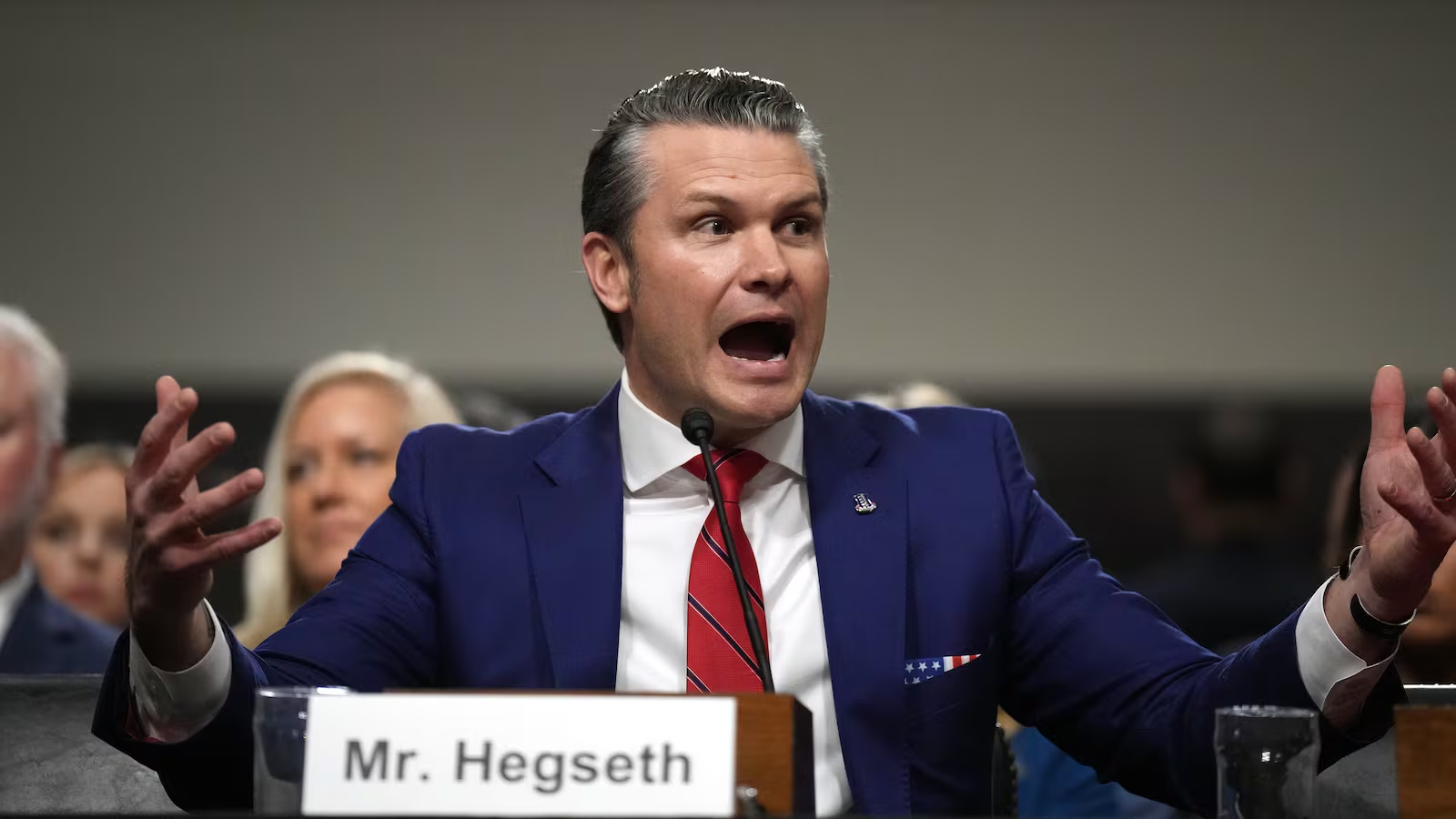
In a dramatic escalation of tensions between the Pentagon and Democratic lawmakers, Defense Secretary Pete Hegseth has formally censured U.S. Senator Mark Kelly — a retired Navy captain and former astronaut — over a public video urging military personnel to resist unlawful orders.
This unfolding story concerns fundamental questions: Can the Pentagon discipline a sitting U.S. senator? What are the limits of free speech for retired military personnel? And does this signify a deeper shift in how political dissent is treated by the Department of Defense under President Trump’s administration? The actions taken by Hegseth have set off a wave of reactions across the political spectrum, spurring legal scrutiny, media commentary, and concern among veteran advocacy groups.
What Led to the Censure? A Controversial Video and Political Backlash
In November 2025, Senator Mark Kelly joined five other Democratic lawmakers with military or intelligence backgrounds on a video that urged U.S. service members to respect the Constitution and decline any orders that would violate the law. The message was rooted in longstanding military principles: that troops are obligated under U.S. and international law to refuse unlawful directives.
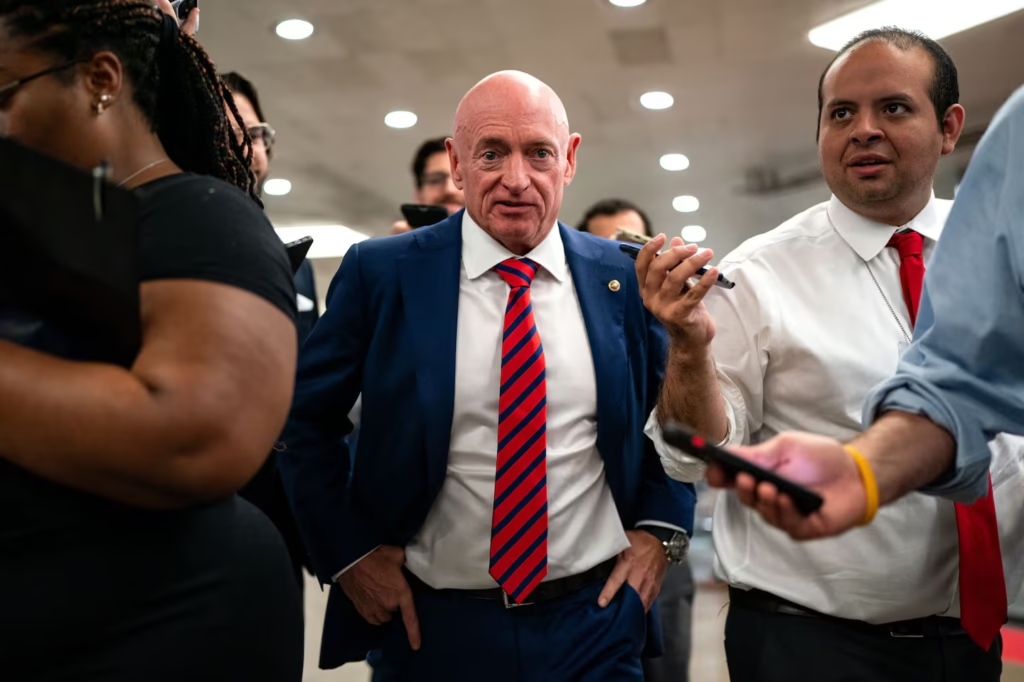
While many national security analysts saw the video as affirming constitutional norms, Secretary Hegseth characterized it as undermining military discipline. He labeled Kelly’s remarks “seditious” and argued that, because Kelly continues to receive retirement benefits and remains technically under military jurisdiction, the Pentagon could pursue administrative action. Hegseth issued a formal censure letter and initiated proceedings that could potentially demote Kelly’s retired military rank and reduce his pension.
This response follows broader internal Pentagon investigations and political pressure, including claims that the Pentagon must enforce standards without regard to partisan lines. Critics argue that turning the military into an arena for settling political disputes — particularly involving elected officials — is dangerous and unprecedented.
Political and Constitutional Challenges Loom Large
Kelly and his allies have made clear that they intend to challenge the Pentagon’s actions in court. He has framed the censure as politically driven and a threat to free speech and constitutional protections. According to constitutional law experts, the speech or debate clause of the U.S. Constitution typically protects lawmakers from executive retaliation for statements made in the course of their duties, and critics suggest the Pentagon’s attempt to punish a senator may conflict with these safeguards.
Legal scholars also note that disciplinary measures related to retired officers are normally tied to conduct while on active duty — not post-retirement political speech. The unique nature of this case raises the possibility of federal litigation, constitutional challenges, and heightened judicial scrutiny. Several veterans’ groups and civil liberties advocates argue that discouraging lawful discourse about orders and the rule of law could chill essential debate within the military community.
The fallout has spilled into Congress, where members from both parties are assessing the broader implications of the Pentagon’s action. Some argue that permitting disciplinary action against a sitting senator could unsettle the balance between civilian oversight of the military and executive authority. Others defend Hegseth’s right to enforce standards they believe protect military cohesion.
Hegseth’s Broader Pentagon Tenure Under Scrutiny
This censure against Kelly comes amid other controversies surrounding Secretary Hegseth’s leadership of the Department of Defense. Critics have raised questions about several Pentagon policies and actions, ranging from changes to press access rules to internal security matters.
One notable issue involved the use of unsecured messaging platforms for sensitive military communication, which a Pentagon watchdog found could have jeopardized operational security. Experts warned that relaxed communication protocols might expose classified information — a criticism that has followed Hegseth’s tenure.
Additionally, Hegseth’s sharp approach to reshaping advisory boards and personnel decisions within the Department has drawn both praise from staunch allies and concern from long-serving defense professionals. These internal shifts reflect broader ideological divides over the direction of U.S. defense policy under the current administration.
Media and Public Reaction: Divided Interpretations
National media outlets and commentators have provided sharply contrasting takes on this controversy:
- Supporters of Hegseth’s action argue that leadership must maintain strict military discipline and that senior officials, even those retired, should be held to high standards when addressing active duty personnel. Some conservative commentators frame Kelly’s video as reckless and potentially harmful to troop cohesion.
- Critics decry the Pentagon’s move as a politically motivated attempt to suppress dissent and intimidate lawmakers who challenge the administration’s policies. Many veterans and legal advocates emphasize that resisting unlawful orders is a key pillar of military ethics and law, not an incitement to insubordination.
Major editorial boards have also weighed in. Even traditionally conservative outlets like the Wall Street Journal have expressed concern about the broader implications of the Pentagon’s actions, arguing that focusing on intra-governmental retaliation distracts from genuine national security challenges.
Implications for the U.S. Military and Democracy
At its core, this confrontation raises fundamental questions about military obedience, political speech, and the interplay between civilian leadership and military autonomy. For decades, military doctrine has held that service members must disobey orders that are unlawful or unconstitutional — a principle embedded in both U.S. law and international treaties. Positions that discourage unlawful obedience are widely regarded as safeguards against abuses, not threats to discipline.
However, making such guidance publicly and politically visible — especially when delivered by a high-profile figure like Senator Kelly — has ignited debate over where the line should be drawn between lawful advocacy and perceived challenges to the chain of command. AP News
As this dispute continues to unfold, it will likely have significant effects on how military and civilian officials engage with each other, how former service members participate in political discourse, and how future administrations balance military effectiveness with constitutional protections. The legal battles that follow could define this balance for years to come.
Conclusion: A Defining Moment for Military, Law, and Politics
The Pentagon’s censure of Senator Mark Kelly marks a rare and striking clash at the intersection of military policy, political speech, and constitutional law. The actions taken by Defense Secretary Pete Hegseth have sparked legal debates, partisan reactions, and deep scrutiny of how political dissent is treated within the framework of America’s defense establishment.
Subscribe to trusted news sites like USnewsSphere.com for continuous updates.