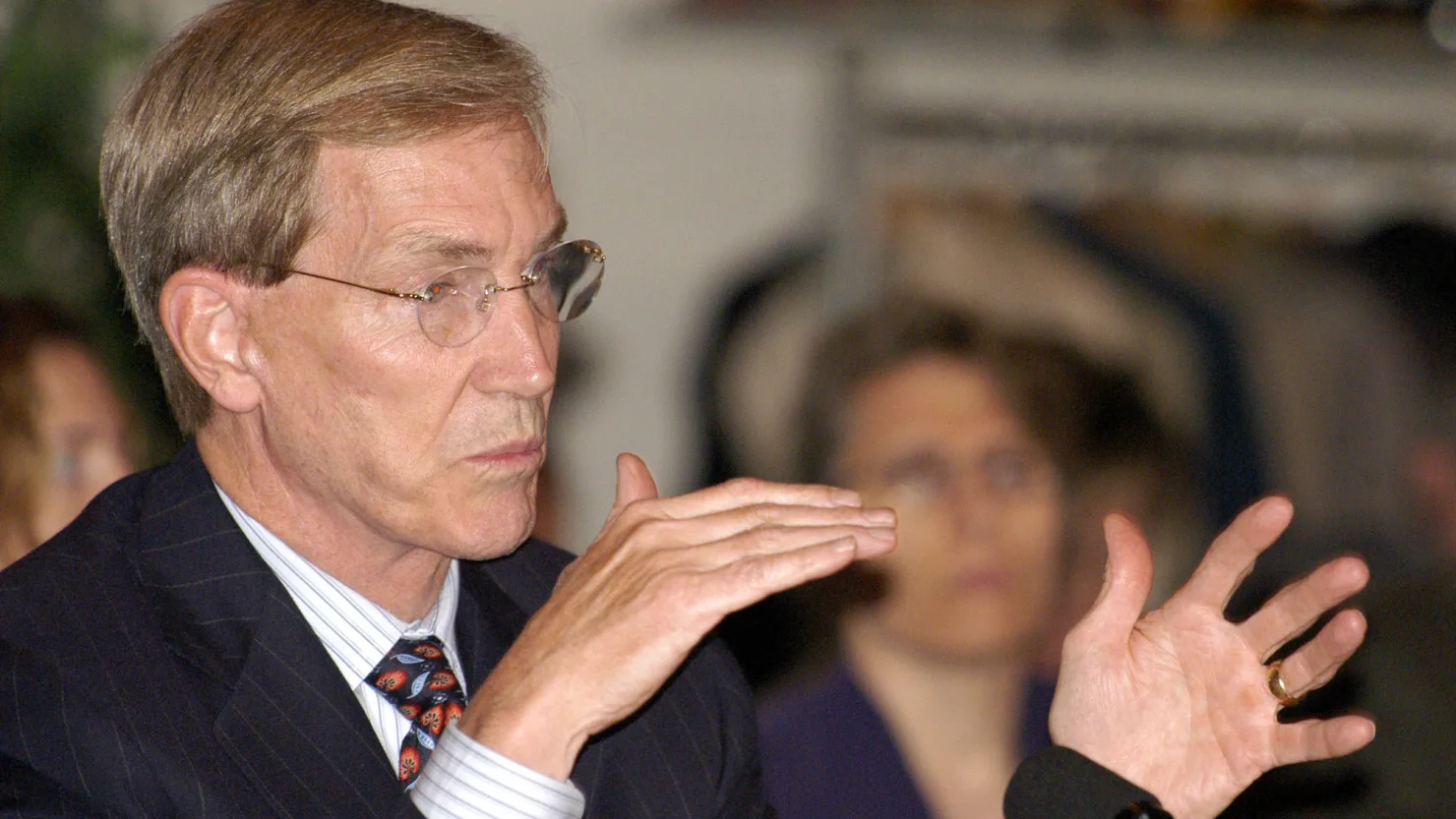
Oracle Corporation announced the retirement of two of its longest-serving board directors — George H. Conrades and Naomi O. Seligman — concluding decades of governance and industry influence. This major corporate governance change reflects not only a generational transition for one of the world’s largest enterprise technology companies but also renewed strategic focus under new executive leadership.
Both Conrades and Seligman have made lasting contributions to Oracle’s global trajectory, including during transformational years of cloud expansion, AI investment, and market evolution. Their retirement marks the end of an era at Oracle — one that saw the company solidify its position as a dominant provider of database systems, cloud services, and enterprise software.
Strategic Board Transitions: What Oracle Announced
Oracle’s Board of Directors officially filed a regulatory disclosure confirming that George H. Conrades and Naomi O. Seligman retired from Oracle’s board in early January 2026, effective immediately upon notification. According to the filing, Conrades submitted his retirement notice on January 5, 2026, after 18 years of board service, while Seligman followed with her retirement on January 7, 202,6 after 20 years of service.
Oracle’s board now comprises 12 directors following these retirements — a streamlined group poised to support the company’s next chapter of growth and innovation.
Profiles in Service: Conrades and Seligman’s Legacy
George H. Conrades
George Conrades, now 86, brought a wealth of experience from his prior leadership and executive roles before joining Oracle’s board. Known for his strategic vision and deep involvement in tech circles, Conrades served Oracle during pivotal years of technological disruption and growth. Across his 18 years on the board, he helped guide Oracle through significant industry shifts — including cloud adoption, enterprise integration, and AI-driven infrastructure investments.
Naomi O. Seligman
Naomi Seligman, at 87, has one of the longest tenures on Oracle’s board in the company’s modern history, spanning two decades. Her insights into enterprise strategy and market trends contributed to Oracle’s navigation through highly competitive and rapidly evolving global tech landscapes. Her leadership role lent continuity and deep institutional knowledge that supported Oracle’s long-term direction.
Their collective experience represented deep institutional commitment, and the transition marks a generational handoff that analysts believe signals a refreshed governance vision.
Oracle’s Leadership and Strategic Direction Post-Retirement
Alongside these board changes, Oracle has been undergoing notable leadership evolution. In 2025, the company ushered in new co-CEOs — Clay Magouyrk and Mike Sicilia — succeeding long-time CEO Safra Catz, further emphasizing strategic shifts within the company’s core business direction and cloud ambitions.
Under the co-CEO model, Oracle is actively investing in next-generation AI and cloud infrastructure, including enhanced data center deployment, a focus on generative AI services, and strategic customer partnerships. These changes coincide with a broader industry emphasis on AI capacity and enterprise digital transformation.
Analysts and AI-integrated news algorithms have been highlighting these shifts extensively, noting that major governance changes — like board retirements — often accompany broader organizational transitions in technology firms.
Market Reaction and Investor Insights
The departure of veteran directors can have meaningful implications for investor confidence and market sentiment. Following news of the retirements, stock analysts have offered mixed responses — some framing it as a natural evolution in governance, while others remain attentive to Oracle’s financial performance metrics.
In 2025, Oracle reported robust revenue growth with a notable increase compared to prior years, reaffirming its strong financial foundation amid leadership transitions. Analyst sentiment on ORCL stock shows a long-term bullish outlook, with average price targets projecting significant upside — driven by Oracle’s expanding cloud services and enterprise software dominance.
While short-term volatility might accompany any leadership shift, financial experts emphasize that clear succession planning and continued strategic investment in key technologies should support Oracle’s market resilience.
What This Means for Oracle’s Future Governance
Oracle’s board evolution exemplifies how mature technology companies manage leadership lifecycles without disrupting strategic momentum. With Conrades and Seligman’s departure, the board is now positioned to integrate new perspectives that align with Oracle’s direction in cloud computing, AI implementation, and global enterprise software delivery.
Board renewals are often seen by governance analysts as opportunities to infuse fresh expertise — particularly in areas such as AI ethics, cybersecurity oversight, and international data regulation compliance. Given Oracle’s role in serving government, enterprise, and institutional clients worldwide, these transitions also reflect the company’s adaptability to shifting market requirements.
Broader Industry Context: Leadership Transitions in Tech
Oracle is not alone in navigating board and executive transitions as part of long-term evolution. Across the tech sector, veteran leaders are stepping back, making room for new voices equipped to guide companies into AI-centric futures. These changes often align with emerging business models — particularly ones emphasizing machine learning, generative AI, and hybrid cloud environments.
Investors and industry watchers closely monitor such transitions because they can signal shifts in risk tolerance, strategic priorities, and governance philosophy. Oracle’s measured and transparent approach to Conrades and Seligman’s retirement — emphasizing mutual respect and shared legacy — sets a tone that many analysts view as stabilizing rather than disruptive.
Long-Term Outlook: Innovation, Governance, and Growth
As Oracle moves forward with a refined board structure, there’s significant optimism that the company’s strategic investments in cloud infrastructure and AI frameworks will continue to resonate with enterprise clients and global markets. With seasoned co-CEOs at the helm and governance continuity preserved, analysts expect Oracle to maintain its competitive edge amid rapid technological evolution.
A New Chapter Begins at Oracle
Oracle’s announcement of Conrades and Seligman’s retirement from the board heralds a noteworthy transition in corporate leadership — one rooted in decades of service and successful governance. By closing one chapter and stepping confidently into the next, Oracle demonstrates how established tech giants can evolve without losing strategic direction. With strong financial performance, robust cloud and AI investments, and renewed leadership, Oracle is well-positioned for the future.
Subscribe to trusted news sites like USnewsSphere.com for continuous updates.