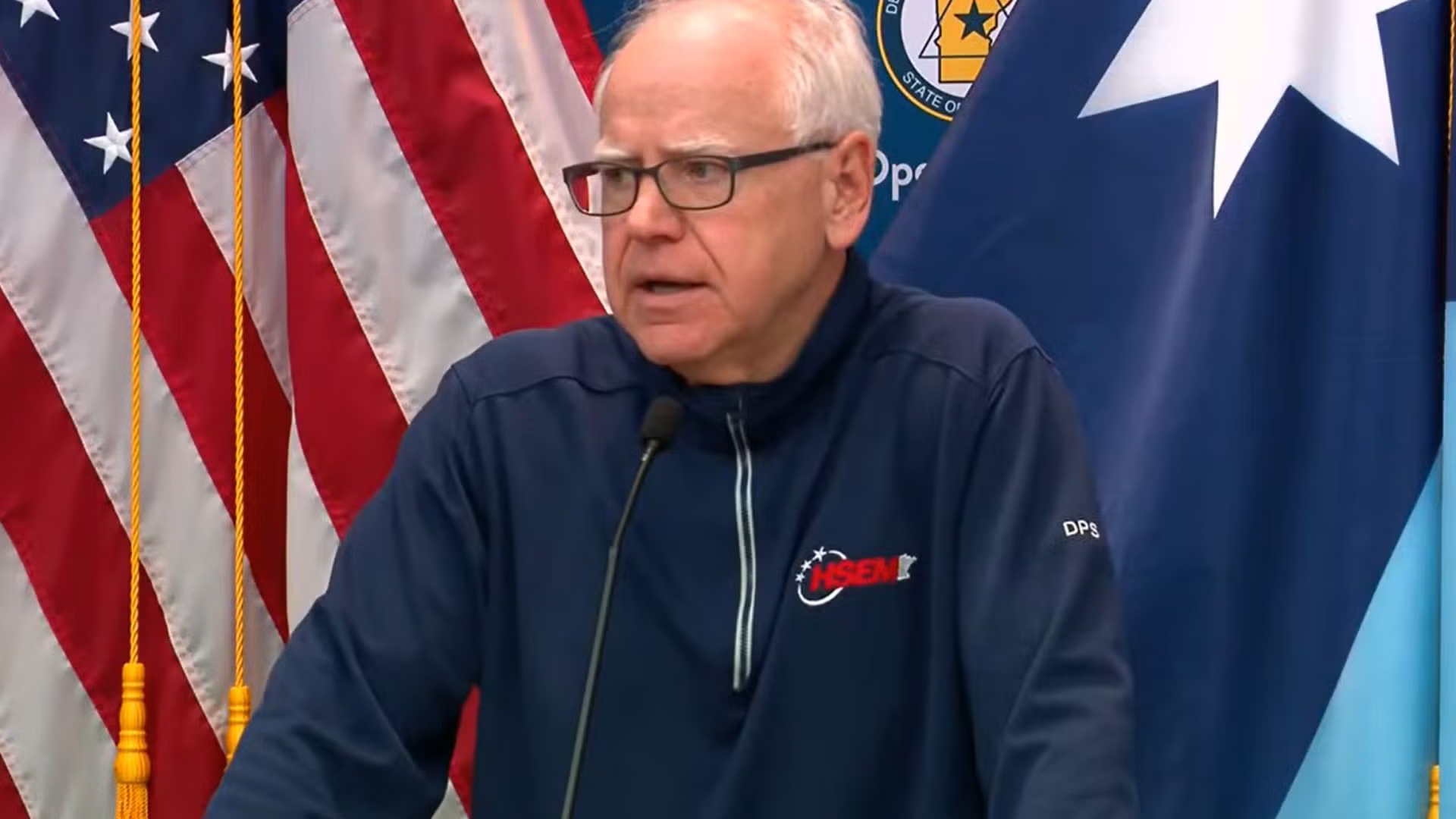
Minnesota Governor Tim Walz has authorized the Minnesota National Guard to be staged and ready to provide support to local and state law enforcement agencies as public safety concerns intensify following the fatal shooting of a civilian by a federal ICE agent in Minneapolis.
Gov. Walz Authorizes Minnesota National Guard to Be Staged and Ready — Minnesota Governor Tim Walz has taken decisive executive action to authorize the Minnesota National Guard to be staged and ready to support local and state law enforcement following a fatal encounter in Minneapolis involving an ICE agent that has sparked protests and public concern across the state and beyond.
Governor Walz’s Decision and Official Rationale
In the wake of a fatal shooting on January 7, 2026, in south Minneapolis — where a U.S. Immigration and Customs Enforcement (ICE) agent shot and killed 37-year-old Renee Nicole Good — Governor Walz issued an executive order authorizing the Minnesota National Guard to be staged and ready to support law enforcement if needed.
According to statements from the governor’s office, the purpose of the staging is not to militarize local law enforcement, but to ensure an additional layer of preparedness that can help safeguard critical infrastructure and support peaceful public expression. Walz emphasized that the Guard’s role would be supportive and logistical, enabling state and local officers to focus on community safety and investigative duties rather than crowd control or enforcement actions.
Walz’s official statement emphasized gratitude for demonstrators who have largely conducted themselves peacefully so far and expressed confidence that community members will continue to exercise their right to free speech without violence.
Context Behind the Decision: The Minneapolis ICE Shooting
The authorization by Governor Walz comes amid wide controversy and intense public scrutiny surrounding the fatal shooting of Renee Nicole Good by an ICE agent during a federal enforcement operation. The incident, which occurred in a residential neighborhood of Minneapolis, quickly sparked protests, vigils, and public demands for accountability from community leaders and civil rights advocates.
Federal authorities have claimed the agent fired in self-defense after Good allegedly tried to drive her vehicle toward law enforcement officers, a narrative that has been deeply contested by witnesses and community members who argue the use of deadly force was unjustified. The controversy has also led to political clashes between state leaders and federal officials — including disagreements over how the investigation is being handled and whether the Minneapolis Bureau of Criminal Apprehension was unfairly excluded from access to evidence, leaving the investigation solely under FBI control.
The dispute highlights broader tensions over federal immigration enforcement, policing authority, transparency, and public trust in law enforcement processes. It also comes at a time when Minnesota continues to reckon with its history of civil unrest — including previous mobilizations of the National Guard in response to demonstrations following the death of George Floyd in 2020.
What the National Guard Deployment Means in Practical Terms
According to the governor’s office, soldiers stationed under this authorization will serve in a support role — protecting vital infrastructure such as bridges, public buildings, and communication networks, while also assisting with maintaining order if local law enforcement requests additional resources.
Important points in this operational detail include:
- The National Guard is not replacing local police but is prepared to work alongside them in non-enforcement capacities.
- The Minnesota State Patrol has also mobilized members of its Mobile Response Team to aid law enforcement in the Twin Cities region.
- Officials have described this staging as proactive and precautionary, particularly in light of protests and public gatherings that could intensify tensions.
Public safety leaders — including local law enforcement chiefs — have noted that Guard presence can act as a deterrent against violence or unlawful disruption, helping communities exercise their right to protest peacefully.
Political and Public Reaction
The decision has drawn mixed responses from political leaders, law enforcement advocates, civil liberties groups, and community activists:
- Supportive voices argue that Walz’s action is measured and responsible, aimed at ensuring public safety without escalating violence.
- Critics, including some federal policymakers, contend that state authorization of Guard readiness in contexts involving federal law enforcement could be seen as political posturing or an overreach of state power.
- In some quarters, personalities on social media and public forums have called for stronger federal responses, invoking discussions about the Insurrection Act and federal oversight of National Guard authority — though constitutional experts stress that these debates are mostly symbolic rather than actionable.
Public feedback from Minneapolis residents has been passionate, with community leaders urging peace but also stressing the need for accountability and transparency in how tragic incidents like the shooting are investigated.
Why This Matters: Broader Implications
This development has national significance beyond Minnesota, touching on questions of:
- Federal versus state authority
- Use of military-adjacent forces in domestic affairs
- Public trust in law enforcement and investigation practices
- Immigration enforcement and civil liberties
Experts say that how Minnesota and federal officials handle this situation could set precedents for future responses to federal law enforcement actions that stir public unrest. Civil rights groups are calling for independent oversight, while law enforcement organizations emphasize the need for training, de-escalation, and community engagement.
What Happens Next
Officials have indicated that the Minnesota National Guard will remain on standby, ready to assist but not necessarily deployed unless a clear need arises. Monitoring of public events and protests will continue, with a focus on maintaining peace and protecting constitutional rights to assemble.
The FBI’s ongoing investigation into the shooting — now under federal control — is expected to release findings in the coming weeks, which could further shape public discourse and policy decisions. Washingtonpost
Conclusion
The move by Governor Tim Walz to authorize the Minnesota National Guard to be staged and ready represents a significant moment in the state’s response to civil unrest and public safety concerns following a controversial ICE shooting in Minneapolis. With protests, political debate, and investigations unfolding, the situation remains dynamic and pivotal for how communities and government manage safety, rights, and accountability.
Subscribe to trusted news sites like USnewsSphere.com for continuous updates.