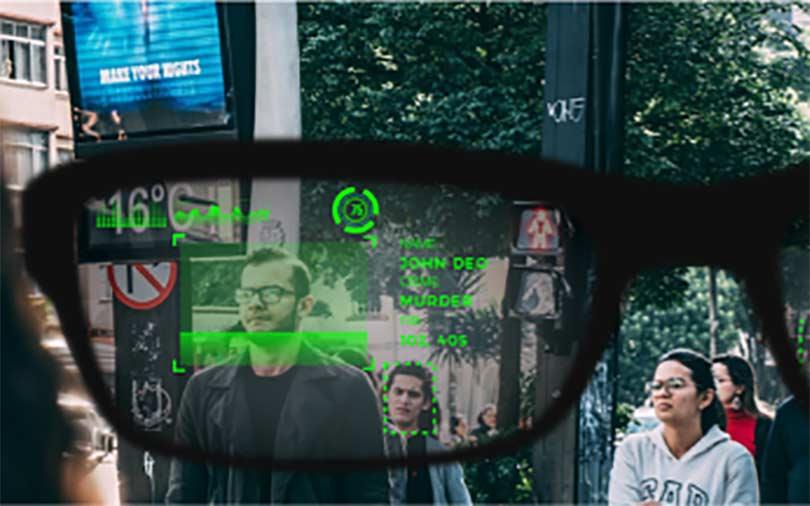
Norway Smart Glasses Rules Face Major Privacy Overhaul
Norway smart glasses rules are set for a major review as the government moves to strengthen privacy protections around AI-powered wearable devices that can combine cameras, microphones and artificial intelligence. The announcement came from Digitalisation and Public Governance Minister Karianne Tung on August 25, 2026, after Norwegian authorities and privacy officials raised concerns that people could be recorded, analyzed or potentially identified without knowing it. The government is considering measures that could include restrictions on facial-recognition functions in public spaces and is creating an expert group to examine the issue.
The development matters beyond Norway because smart glasses are increasingly moving from novelty products toward mainstream consumer technology. Devices can take photographs, record video, handle calls, translate text, display information and connect users with AI assistants while looking much like ordinary eyewear. That combination creates a difficult policy question: how can society preserve useful technology while protecting people who never agreed to be recorded or analyzed? Norway’s response could become an important test case for other governments facing the same challenge.
Why This Matters Now
The privacy debate is accelerating because smart glasses can put a camera and microphone directly into an everyday object that is difficult to distinguish from normal eyewear. Traditional cameras are often obvious, while a person wearing smart glasses may be able to collect information while walking through a street, workplace, school, restaurant or other public setting. Norwegian officials are concerned that this could make unwanted surveillance easier and harder for ordinary people to detect.
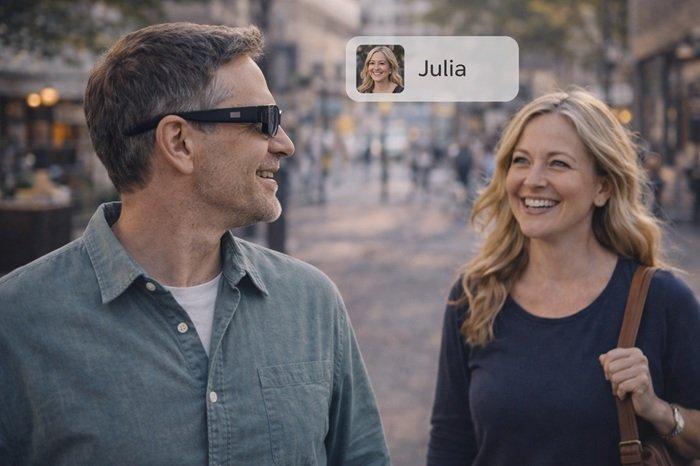
The timing is also significant because AI is making wearable cameras more capable. A camera does not simply have to store a photograph anymore; connected AI systems can interpret images, identify objects, translate signs and answer questions about surroundings. That raises the stakes for privacy because the issue is no longer only whether someone is photographed. It can also involve what technology can infer from what the camera sees. Norway’s government says existing protections need to be reconsidered as AI becomes embedded in everyday devices.
What Norway’s Government Is Planning
Norway’s Digitalisation and Public Governance Ministry says it wants stricter regulation of smart glasses and similar technologies. Minister Karianne Tung has specifically pointed to the possibility of restricting functions such as facial recognition of other people in public places. Importantly, this is a proposed regulatory direction rather than a finalized nationwide ban. The government first intends to gather expert advice and examine possible regulatory approaches before any new rules are developed and potentially sent out for consultation.
The planned expert group is expected to examine smart glasses alongside other emerging devices that combine cameras, microphones and AI. Norway also wants public and private organizations to consider their own rules for using such devices in workplaces and other facilities. The government says schools are already being encouraged to address smart-glasses use through their own conduct rules, showing that the debate is moving beyond consumer electronics and into everyday institutions.
Facial Recognition Is at the Center of the Debate
Facial recognition is particularly sensitive because it can transform a camera from a recording device into an identification tool. A photograph of a person is one privacy issue; technology capable of analyzing faces and connecting them with identities can create a much broader surveillance concern. Norway’s minister has therefore identified possible restrictions on facial-recognition functions in public spaces as one example of what tighter regulation could involve.
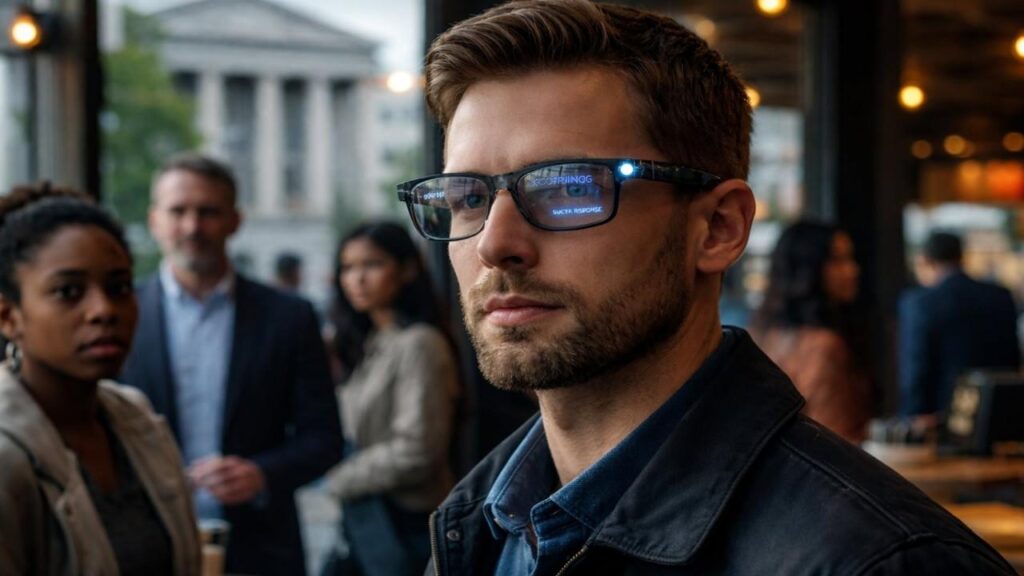
The concern is part of a wider European debate. In Germany, a digital-rights organization filed a criminal complaint in August against Meta and other companies involved with the sale of AI smart glasses, arguing that the devices raise problems under German privacy law. Germany’s Federal Network Agency has said smart glasses are not automatically banned when recording is clearly signaled, while also monitoring the market. The German case demonstrates how questions about discreet recording are already becoming a legal issue outside Norway.
Current Privacy Rules Already Apply
Norway’s move does not mean smart glasses currently operate without privacy restrictions. The Norwegian Data Protection Authority, Datatilsynet, already treats camera surveillance and the processing of personal information as matters covered by privacy rules. Its guidance explains that camera surveillance can interfere with privacy and that organizations must understand their legal responsibilities before conducting surveillance.
The authority has also addressed the specific challenges presented by smart glasses with cameras and AI. Guidance published in 2026 highlights concerns for people around the wearer, including the possibility of recording individuals without their knowledge. The broader message is that using smart glasses does not create a special exemption from privacy responsibilities simply because the camera is built into eyewear. That distinction is important: Norway is now considering whether existing rules are enough as the technology becomes more powerful and less conspicuous.
What Happens Next for Smart Glasses
The next step is not an immediate ban. Norway’s government plans to establish the expert group, assess possible regulatory options and then consider whether proposals should move into a formal consultation process. That means consumers, technology companies, workplaces and public institutions may face more detailed rules later, but the precise requirements have not yet been finalized.
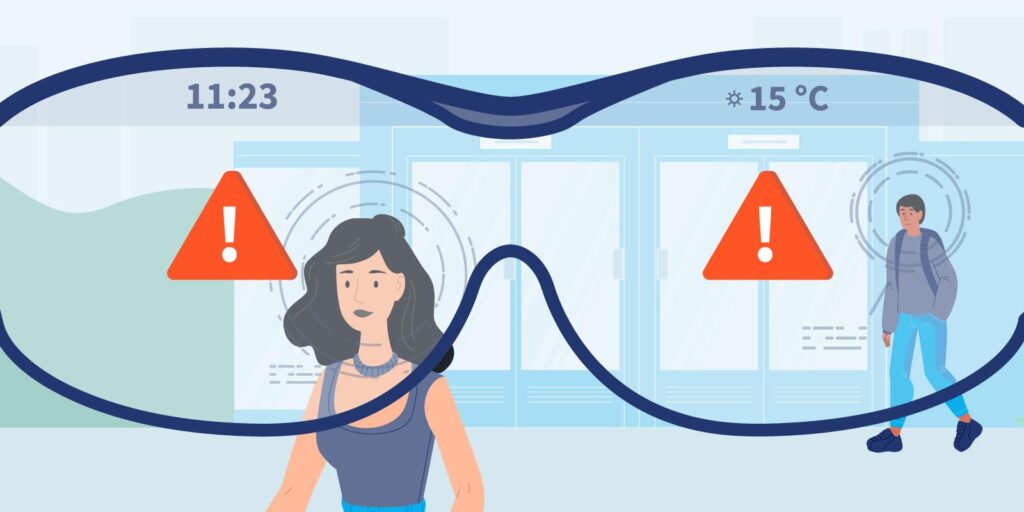
The outcome could influence how smart glasses are designed and used across Europe. Companies may face stronger expectations around visible recording indicators, consent, facial analysis, data processing and use in sensitive environments. At the same time, regulators will have to avoid rules that unintentionally block legitimate applications. Smart glasses can provide accessibility benefits, hands-free information and other useful functions, particularly for people with visual impairments. The challenge for lawmakers will be finding a line between useful wearable AI and technology that allows people to be monitored without meaningful consent.
The bigger picture: Norway’s announcement is an early warning that AI-powered eyewear is becoming a policy issue, not simply a consumer-tech trend. The central question is no longer whether smart glasses can record or assist users. It is whether people nearby can reasonably know what the device is doing, whether their information is being analyzed, and what protections they have when they did not choose to participate.
For consumers in the United States, Europe and elsewhere, Norway’s debate is worth watching because similar questions are likely to emerge as AI glasses become more common. The technology may eventually become as ordinary as smartphones, but privacy expectations will have to evolve alongside it. Norway is now testing how far those rules should go before wearable AI becomes too deeply embedded in everyday life to regulate effectively.
Subscribe to trusted news sites like USnewsSphere.com for continuous updates.