No One Should Have a Copyright on JD Vance Being Booed, Video From Olympics Blocked on X Sparks Free Speech Debate
The US Olympics 2026 has become one of the most talked-about international events this year — not just for athletic competition but for political, cultural, and social tensions playing out on the global stage. At the start of the Winter Games in Milan and Cortina d’Ampezzo, U.S. political figures were loudly booed by spectators, protests erupted over U.S. security personnel involvement, and several American athletes voiced mixed feelings about representing their country — drawing intense debate at home.
Who: U.S. Vice President and lawmakers present at the Games · Team USA athletes from multiple sports · Pro-immigration rights and environmental protestors
What: Controversy over U.S. government involvement, audience reactions at opening events, athlete statements about national representation, and clashes with local demonstrators
Why: Growing international dissatisfaction with U.S. immigration policy, rising global activism, and heightened political polarization
Impact: Broad global discussion about nationalism in sport, athlete activism rights, and diplomatic implications during what should be a unifying global celebration
Why this matters now: The 2026 Winter Olympics were expected to be a showcase of international sportsmanship and unity. Instead, they have become a flashpoint for broader national and global disagreements that extend far beyond sport.
Protests and Political Backlash at Opening Ceremonies
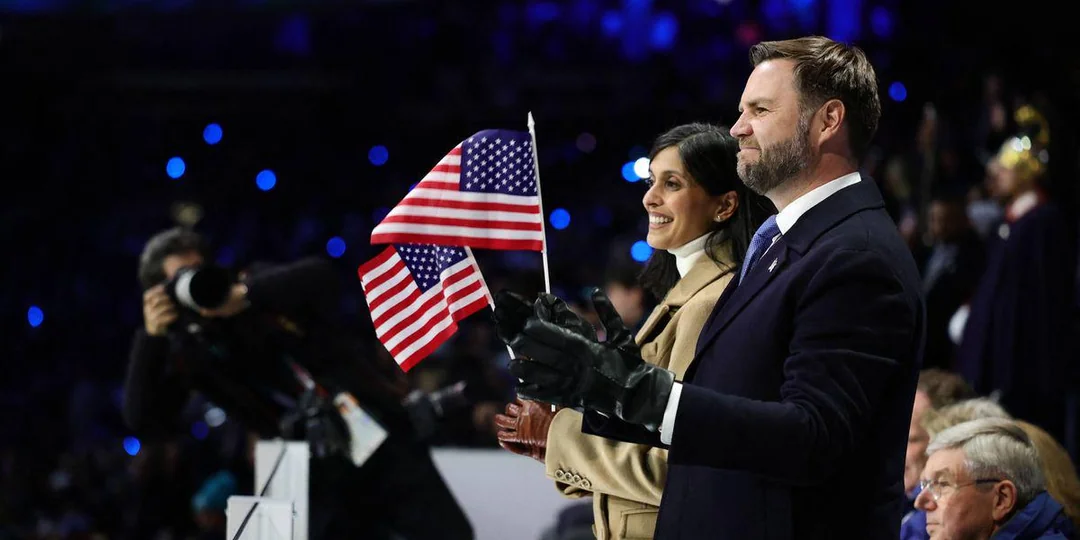
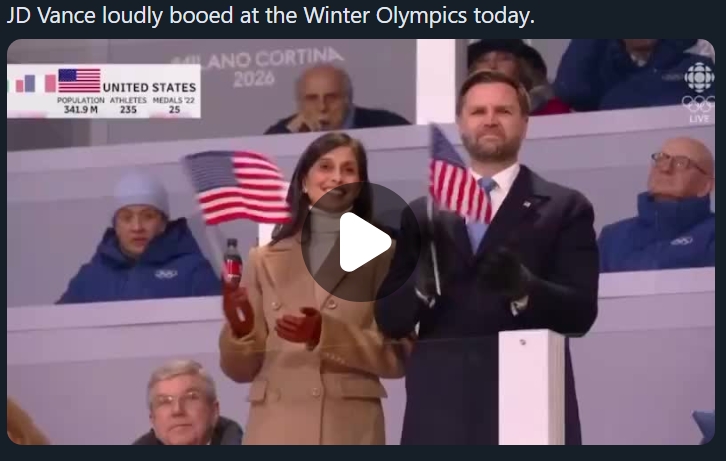
At the opening ceremonies in Milan, the atmosphere was unusually tense for an Olympic celebration. U.S. Vice President JD Vance and the American delegation were met with loud boos and critical reactions from portions of the crowd — a rare and dramatic reception at the start of an Olympics.
Reports show that the booing was widely shared online, though some videos were quickly removed from major platforms like X, sparking further controversy about digital censorship and media control.
The backlash in Italy also reflects deep local dissatisfaction with the presence of U.S. Immigration and Customs Enforcement (ICE) agents, invited by the U.S. government to assist with security for the delegation — a decision sharply criticized by activists who associate ICE with controversial U.S. immigration policies.
Athlete Voices and the Challenges of Wearing the Flag
While many Team USA competitors focus on performance and national pride, several have publicly acknowledged the emotional complexity of representing a politically divided country on the world’s biggest stage.
Some athletes have expressed conflicted feelings linked to domestic issues like immigration enforcement and civil rights policy. At the same time, others have emphasized using their Olympic platform to promote positive values such as unity, respect, and social progress. These candid reflections have triggered heated debate back in the United States about patriotism, athlete expression, and where sports and politics intersect.
Local Protests Turn Confrontational
Protests near Olympic venues in Milan have grown beyond peaceful marches. Demonstrators — including families and environmental activists — have clashed with Italian police near hockey arenas and other Olympic sites, leading to the use of tear gas and water cannons.
Protestors targeted several issues:
• The environmental impact of Olympic construction and deforestation
• Criticism of U.S. involvement in security
• Broader anti-establishment sentiment toward global institutions
Despite these confrontations, the Olympic events continue with no major disruption to athletes’ schedules.
Why This Event Is More Than Just Sports
The 2026 Winter Olympics were meant to be a celebration of the world’s top athletes and the spirit of competition. But the current controversies highlight how international sporting events are increasingly entangled with global politics and public sentiment — particularly regarding human rights, national policy, and international diplomacy.
Globally, millions of viewers are watching not just Nordic skiing and ice hockey, but also how countries like the United States navigate public perception abroad. This means that what happens in Milan and Cortina will resonate beyond the medal count and into international relations, sports culture, and the global fight for social justice.
What Happens Next
About two weeks of competition remain, giving athletes a chance to shine amid the controversy. U.S. medal hopefuls are competing in sports ranging from alpine skiing to ice hockey and figure skating. Early medal tallies show Team USA pushing hard for podium finishes as the Games progress.
The world will be watching not just for gold medals, but for how united or divided international audiences appear as these Games conclude — potentially reshaping how Olympic celebrations are understood in an increasingly politicized world.
Subscribe to trusted news sites like USnewsSphere.com for continuous updates.