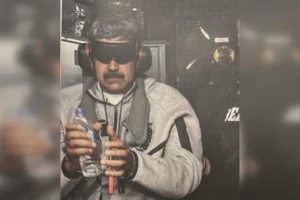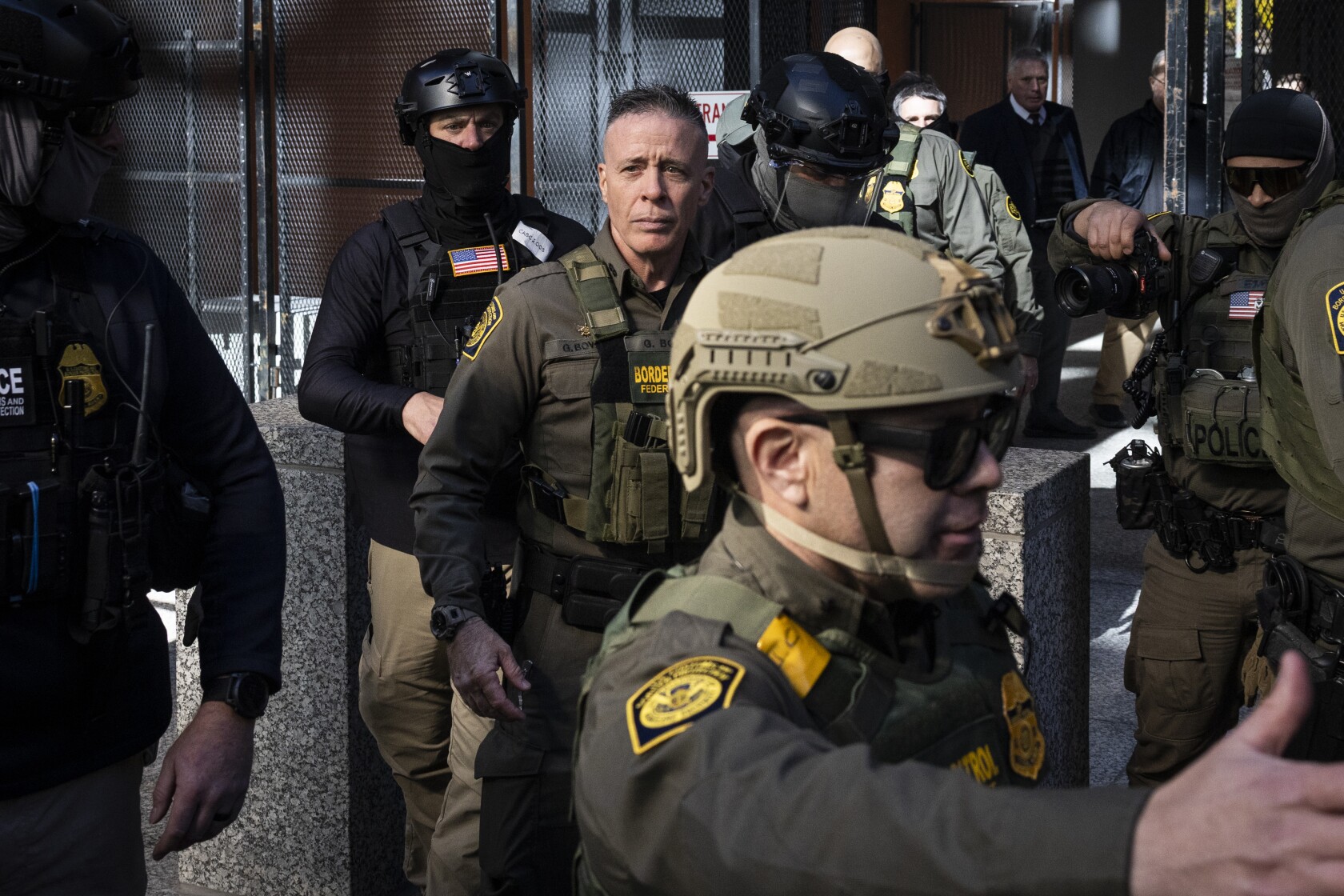
A federal jury in Chicago has found Juan Espinoza Martinez not guilty of plotting a murder-for-hire against U.S. Border Patrol commander Gregory Bovino, ending the first criminal case tied to the Trump administration’s Chicago immigration enforcement campaign known as Operation Midway Blitz. The verdict — reached in under four hours — marks a significant setback for federal prosecutors and raises renewed questions about the credibility of aggressive immigration-related prosecutions under the current administration.
This ruling matters now because it not only clears a defendant in a sensational alleged murder plot but also highlights broader concerns about how federal immigration policy and law enforcement tactics are being pursued — and how these tactics can backfire in court when evidence is deemed weak or circumstantial.
What the Case Was About and Why It Attracted National Attention
At the heart of the trial was a Snapchat message that prosecutors said Espinoza Martinez sent in October, offering $10,000 to anyone who would “take down” Border Patrol Commander Gregory Bovino. The message included a photo of Bovino and was allegedly communicated through social media to a person who turned out to be a government informant. The prosecution argued this amounted to a murder-for-hire solicitation.
Bovino — a prominent Border Patrol official tasked with leading immigration enforcement in Chicago and other cities — has become a controversial figure. Critics argue his approach represents an overly aggressive tactic in securing federal immigration goals in urban areas that resist such enforcement actions. This backdrop helped elevate the trial into a broader symbol of tensions between federal immigration efforts and community pushback.
Defense Successfully Undermined Government Claims
Defense attorneys focused on dismantling the prosecution’s narrative, portraying the Snapchat message as neighborhood talk or gossip rather than a genuine threat to hire someone for murder. They pointed out that Espinoza Martinez had no criminal history, limited financial resources, and no follow-up after sending the messages, strongly suggesting he lacked the intent or ability to carry out a violent plot.
Another key turning point came when the judge barred prosecutors from introducing evidence tying Espinoza Martinez to alleged gang affiliations. The government had labeled him a member of the Latin Kings, but the judge concluded there wasn’t enough foundation for that claim to be shared with jurors, further weakening the prosecution’s case.
Broader Context: Operation Midway Blitz and Immigration Enforcement
This case was the first murder-for-hire prosecution stemming from Operation Midway Blitz, a sweeping immigration enforcement initiative launched in Chicago in late 2025 by the Trump administration and the Department of Homeland Security (DHS). The operation involved a large surge in federal agents, including Immigration and Customs Enforcement (ICE), Customs and Border Protection (CBP), and other agencies, and resulted in thousands of arrests across the Chicago area.
While federal officials touted the arrests as a crackdown on serious criminals and undocumented immigrants with criminal records, critics highlighted numerous civil liberties concerns, protests, legal challenges from city and state authorities, and several dismissed or dropped charges stemming from the operation’s aggressive tactics.
What the Verdict Means for Federal Prosecutions and Public Perception
The swift acquittal in this high-profile case carries implications well beyond one defendant’s freedom. It underscores how evidence standards in federal court can diverge sharply from public narratives promoted by politicians and federal law enforcement agencies. Legal analysts are now questioning whether similar immigration-related prosecutions will move forward with greater care around evidence and intent when pursuing charges under the banner of major federal operations.
In practical terms, this verdict also signals to defense attorneys that juries may be skeptical of government claims rooted in social media posts or informant testimony without stronger corroborating evidence — a trend that could influence future prosecutions in cases tied to immigration enforcement and public safety.
Community and Political Reactions After the Verdict
The outcome has ignited reactions from across the political spectrum. Civil liberties advocates hailed the verdict as a reaffirmation that free expression and overheard remarks do not automatically translate into criminal liability, especially absent proof of intent. Meanwhile, some supporters of federal immigration enforcement expressed concern that this outcome could embolden those who oppose stringent immigration policies and undermine efforts to protect federal agents working dangerous assignments.
Local leaders in Chicago have also used the verdict to renew their criticisms of federal tactics during Operation Midway Blitz, calling for a reassessment of how law enforcement engages with immigrant communities and for more transparent policing practices.
Looking Ahead: Legal and Policy Implications
With nearly half of the Operation Midway Blitz cases either dismissed or faltering in court, this acquittal reinforces the importance of prosecutorial discipline and precision when laying out evidence in immigration-related arrests and charges. It also encourages policymakers and community stakeholders to rethink the balance between enforcement priorities and constitutional protections.
As the Trump administration and DHS continue to defend their strategy and approach, this case will likely be referenced in future debates over immigration enforcement policy, civil liberties, and the role of federal agencies in domestic law enforcement.
Subscribe to trusted news sites like USnewsSphere.com for continuous updates.
[NYT]