Minneapolis has become a flashpoint of nationwide controversy after the fatal shooting of a local woman by a U.S. Immigration and Customs Enforcement (ICE) officer, and an aggressive federal enforcement operation has triggered dueling rallies and protests that have captured national attention. This tense convergence of rallies — one supporting federal immigration enforcement and another opposing it — underscores deep divisions over immigration policy and law enforcement tactics in the United States. Why this matters now: the situation is shaping public discourse ahead of the 2026 election cycle and has intensified debate over federal power, civil liberties, and community safety.
Why the Protests Began and What Sparked National Outrage
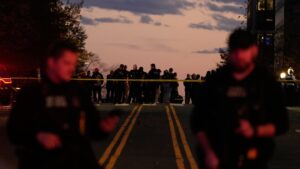
The unrest began after ICE agents, deployed in large numbers in what the Department of Homeland Security (DHS) describes as “Operation Metro Surge,” were involved in the fatal shooting of Renee Nicole Good, a 37-year-old Minneapolis resident. Videos and conflicting accounts of the incident have fueled public anger and distrust toward federal immigration agents. Local mourners and activists held vigils and protests in the streets, with memorials marking the site of the shooting as candlelight tributes and flowers piled high.
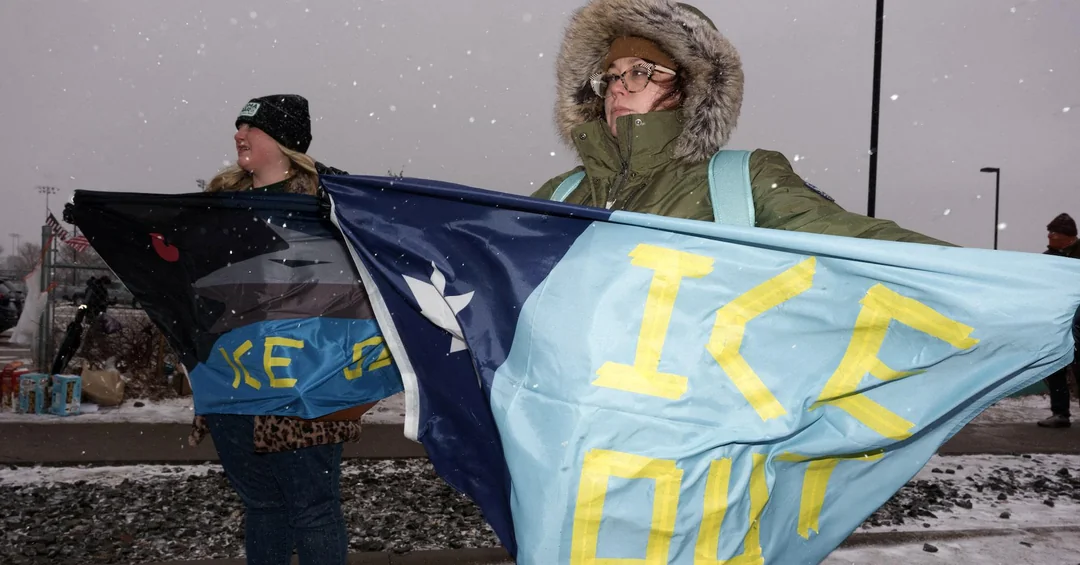
Tens of thousands of people mobilized in Minneapolis and across the U.S. in rallies under banners like “ICE Out for Good,” demanding justice for Good and an end to militarized immigration enforcement. In many cities, protests drew large crowds braving freezing temperatures to voice opposition to the federal crackdown and express solidarity with immigrant communities.
The Duelling Rallies: Clash of Protesters and Counter-Protesters
Against this backdrop, a small group of far-right activists organized a pro-ICE rally in Minneapolis, vowing to march in a neighborhood with a large immigrant population. Hundreds of anti-ICE demonstrators quickly surrounded the smaller group near City Hall, chanting and urging federal agents to leave the city. Temperatures plummeted below freezing as signs and slogans echoed through downtown, and water balloons were reportedly thrown at counter-protesters.
Within minutes, the far-right group was pushed back and forced to relocate a few blocks away to a hotel, trailed by the chanting and energized crowd. Law enforcement largely maintained a distance, and while there were minor scuffles, there were no confirmed reports of severe injuries at the dueling rallies.
Federal and Judicial Responses to Escalating Tensions
Amid mounting unrest, a federal judge in Minnesota issued a nationwide injunction limiting how ICE agents can interact with peaceful demonstrators. The ruling restricts tactics such as detaining protesters or using force like tear gas or pepper spray unless there is reasonable suspicion of criminal activity. This legal intervention reflects growing scrutiny of federal enforcement methods.
At the same time, the Attorney General and federal authorities have faced criticism for resisting calls to investigate Good’s death as a civil rights violation, a stance that has fueled public distrust and numerous lawsuits from state officials. These legal battles underscore the broader tension between federal authority and local governance.
Community Impact: Schools, Families, and Neighborhood Safety
Beyond rallies and court rulings, the federal presence has deeply affected local communities. In some parts of Minneapolis, parents and volunteers have organized grassroots patrols to keep watch over schools and immigrant neighborhoods after reports of ICE arrests near schools. Whistles and walkie-talkies have become tools for citizen patrols as families escort children and teachers through areas where federal agents are deployed, sometimes forcing shifts to virtual learning amid safety fears.
These developments have sparked widespread fear and uncertainty, with some local businesses reporting property damage and disruptions linked to protests and counter-protests. While DHS maintains that its enforcement actions are legal and necessary, many residents feel targeted and unsafe, particularly among immigrant populations.
National Repercussions: A Broader Movement Emerges
The Minneapolis protests are not isolated. According to rights groups, more than 1,000 rallies were planned across the United States around the same weekend, with demonstrators in Boston, New York, San Francisco, and other cities taking to the streets to protest ICE enforcement actions and the federal government’s immigration policies. These nationwide demonstrations reflect a broader movement seeking immigration reform and accountability for federal actions that communities say have eroded civil liberties and safety.
The dueling rallies in Minneapolis have become symbolic of the larger national debate over immigration, enforcement, and civil rights. As the situation evolves, both supporters and opponents of federal immigration policy are using protests and legal channels to influence public opinion and governmental decisions.
What Comes Next: Uncertain Future Amid Political Crossroads
As tensions persist, Minneapolis remains a microcosm of the bitter national discourse over immigration enforcement and federal power. With legal challenges underway, community activism rising, and political leaders on both sides staking out firm positions, the events in Minneapolis could shape future policy discussions — particularly as the U.S. heads deeper into an election year where immigration is a top campaign issue.
Subscribe to trusted news sites like USnewsSphere.com for continuous updates.