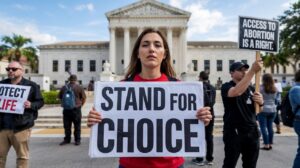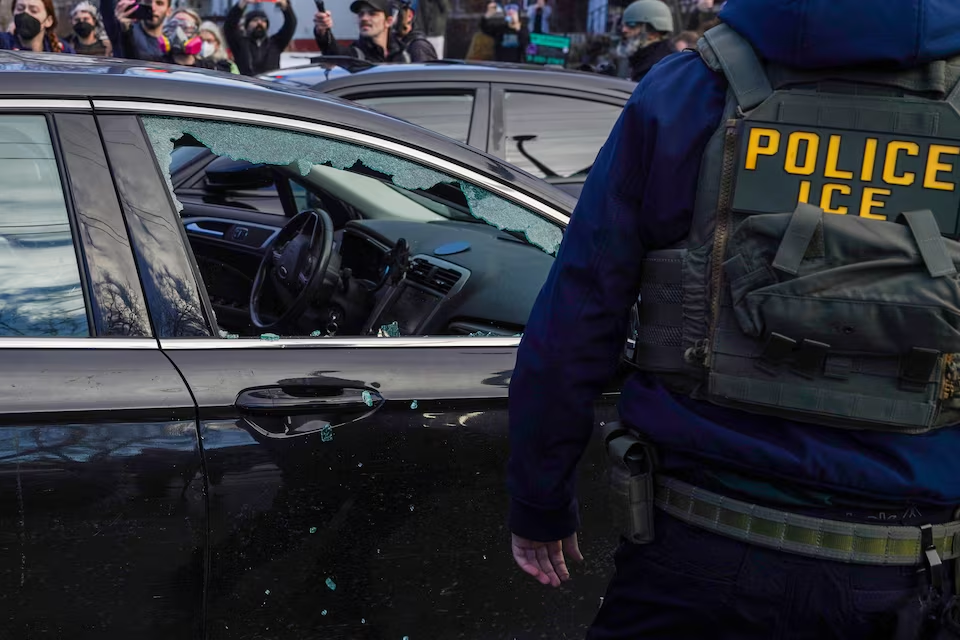
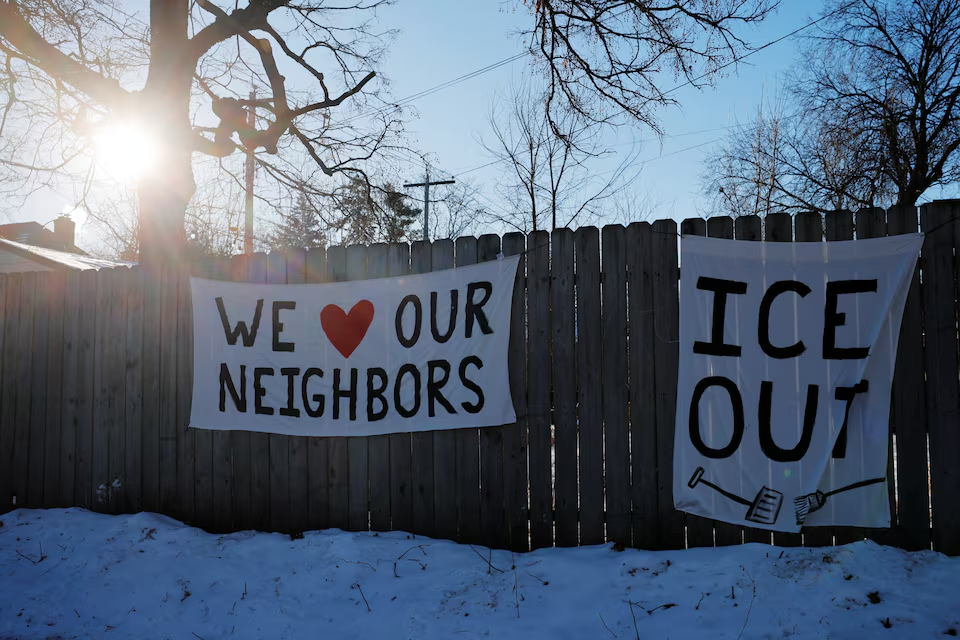
In a dramatic policy adjustment, U.S. Immigration and Customs Enforcement (ICE) officers in Minnesota have been ordered to stop engaging directly with demonstrators and “agitators” and to restrict their enforcement actions only to immigrants with criminal records. This comes after two separate fatal shootings of U.S. citizens by federal agents in Minneapolis spurred mass protests, legal challenges, and nationwide scrutiny of immigration enforcement practices.
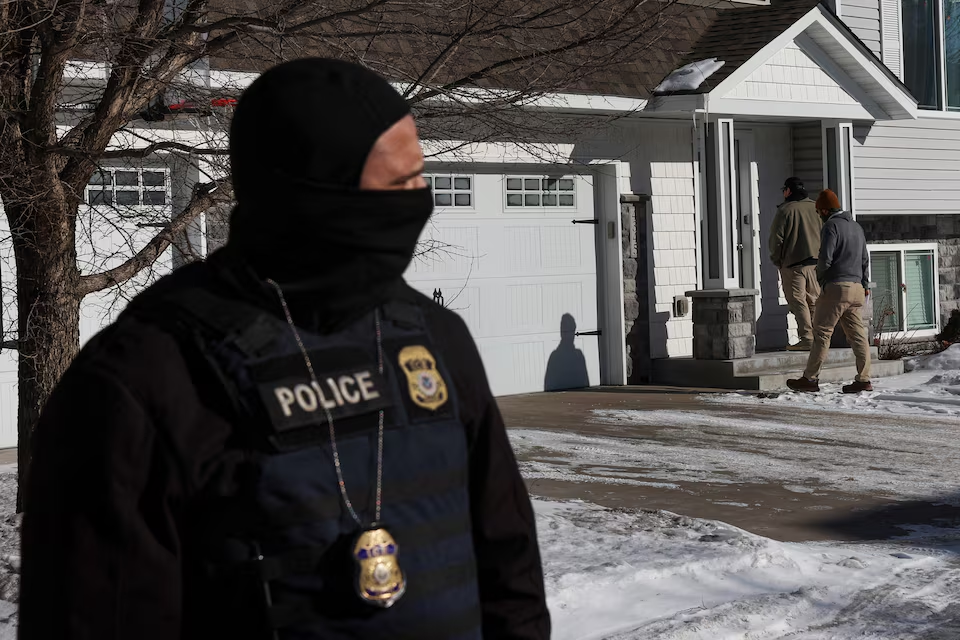
The new internal guidance adds that agents should use verbal commands via megaphone and avoid unnecessary interactions with crowds to “de-escalate” tensions as federal and local officials work to calm the city and restore public trust.
Who is affected? ICE field officers in Minnesota, local communities, immigrant families, and broader U.S. public opinion on federal enforcement.
What changed? Orders now deter engagements with protestors and emphasize detaining only immigrants with criminal charges or convictions.
Why now? The policy flip follows intense backlash after two U.S. citizens were killed in enforcement actions, challenging federal tactics.
Impact? The shift could reshape how federal immigration enforcement operates in contested urban environments and affect public safety and civil liberties debates.
Why this matters now: With legal battles underway and community protests continuing, these enforcement changes signal a turning point in how immigration policy is executed on U.S. soil.
What the New Orders Require and Why They Matter
The guidance, shared internally within ICE and reviewed by Reuters, explicitly tells officers to avoid conversations or confrontational engagement with people labeled as “agitators.” Commanders noted that engaging demonstrators directs limited enforcement resources away from criminal cases and risks inflaming already volatile situations.
In addition:
- Enforcement scope is narrowed to immigrants who have criminal charges or convictions — a more limited focus than recent broad street sweeps.
- Officers must use megaphones to give clear instructions and verbal warnings during operations.
- Border Patrol agents are tasked as support units rather than taking the lead in city operations.
Federal leaders said these steps are intended to prevent further violence and reduce public confrontation. Critics argue they are overdue and do not go far enough.
The Deadly Shootings That Sparked National Outcry
The policy shift traces back to two high-profile shootings:
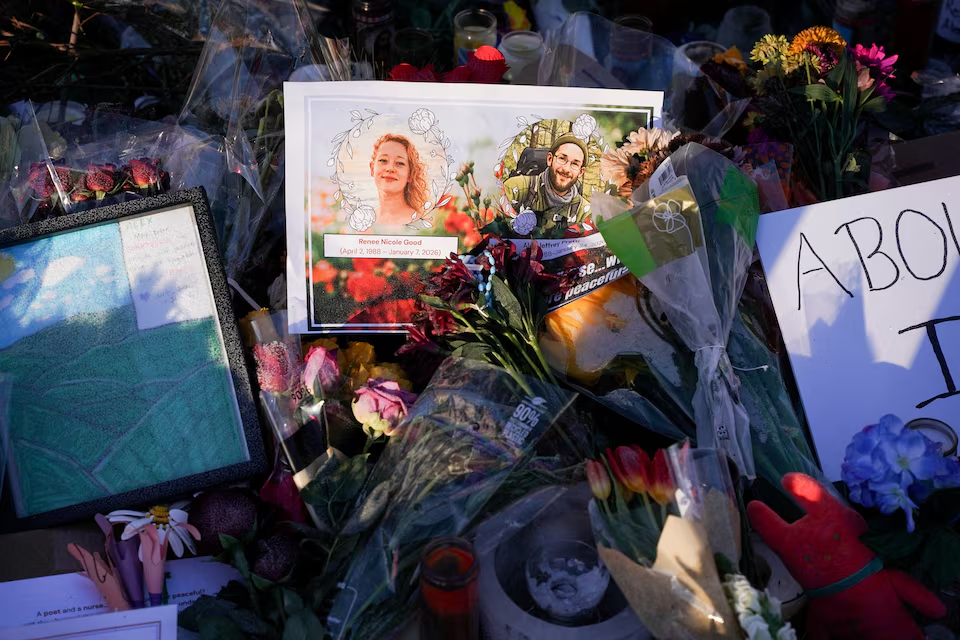
- Renée Nicole Good, a Minneapolis resident, was fatally shot by a federal immigration officer during a raid, triggering immediate local outrage.
- Another U.S. citizen, Alex Pretti, was also killed in a separate ICE enforcement action, fueling broader protests and criticisms of federal tactics.
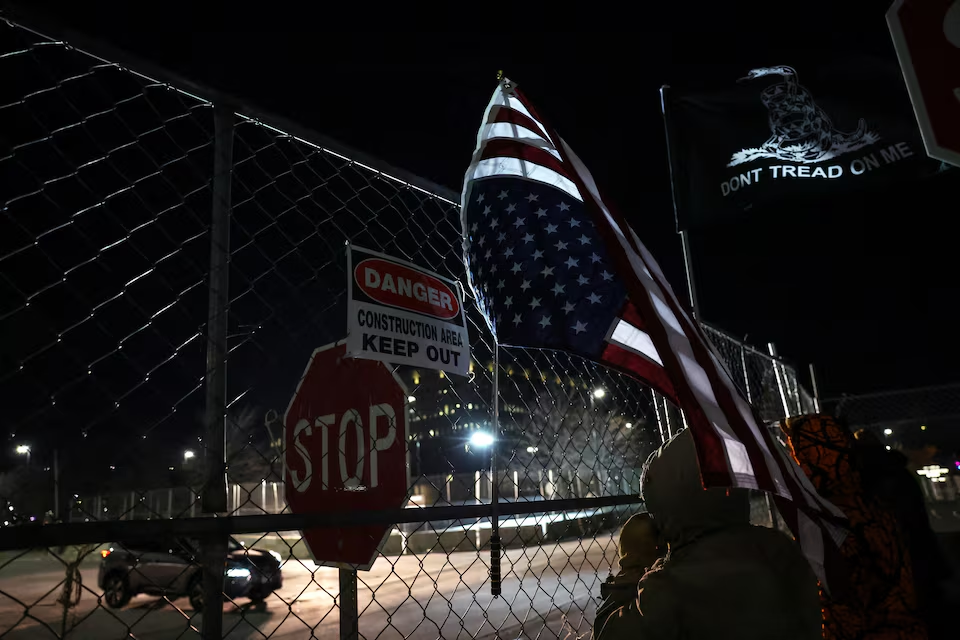
These incidents led to widespread accusations that enforcement officers used excessive force and operated with insufficient oversight. They also sparked a statewide general strike and ongoing demonstrations calling for a halt to aggressive federal immigration actions.
Legal and Political Fight Over Federal Enforcement
The state of Minnesota, backed by the cities of Minneapolis and Saint Paul, has filed federal lawsuits against the Department of Homeland Security and ICE, alleging the deployment and methods used violate constitutional protections and civil rights.
A federal judge recently criticized ICE for ignoring numerous court orders — including directives concerning detainee release and protester protections — warning that such disregard undermines the rule of law.
At the same time, federal officials insist the operations remain lawful and necessary for public safety, despite protests from state leaders and civil liberties advocates.
Broader Implications for U.S. Immigration Policy
This situation in Minnesota highlights a friction point in national immigration enforcement: the balance between federal authority and local civil rights protections. Enforcement policies that once focused primarily on deporting individuals without criminal records have drawn increasing scrutiny from legal experts, local governments, and national civil rights organizations.
The heightened attention follows a broader trend in U.S. immigration debates with implications for:
- Federal vs. state authority: State officials argue federal actions should respect local governance and court orders.
- Use of force and accountability: Calls for stronger oversight and independent investigations have grown louder.
- Public trust in law enforcement: The deaths and subsequent protests have strained relationships between federal agents and communities in Minneapolis and beyond.
Reactions From Leaders and Community Members
Local politicians and civil rights groups have sharply criticized ICE actions, with some calling for the agency’s withdrawal from the state entirely. Community activists argue that the enforcement surge has heightened fear and disrupted immigrant families and broader community cohesion.
Federal leaders — including Trump administration officials — defend the enforcement strategy as lawful, necessary, and aimed at improving national public safety. However, ongoing protests and legal pressure suggest this is far from a settled issue.
What Comes Next
As the enforcement posture shifts, community leaders and legal advocates will watch closely how ICE implements these new orders. If tensions remain high or additional confrontations occur, Minnesota could become a focal point in the larger national debate over immigration enforcement, civil liberties, and federal power.
Federal authorities must balance law enforcement goals with ensuring respect for civil rights and minimizing conflict with local communities.
Subscribe to trusted news sites like USnewsSphere.com for continuous updates.