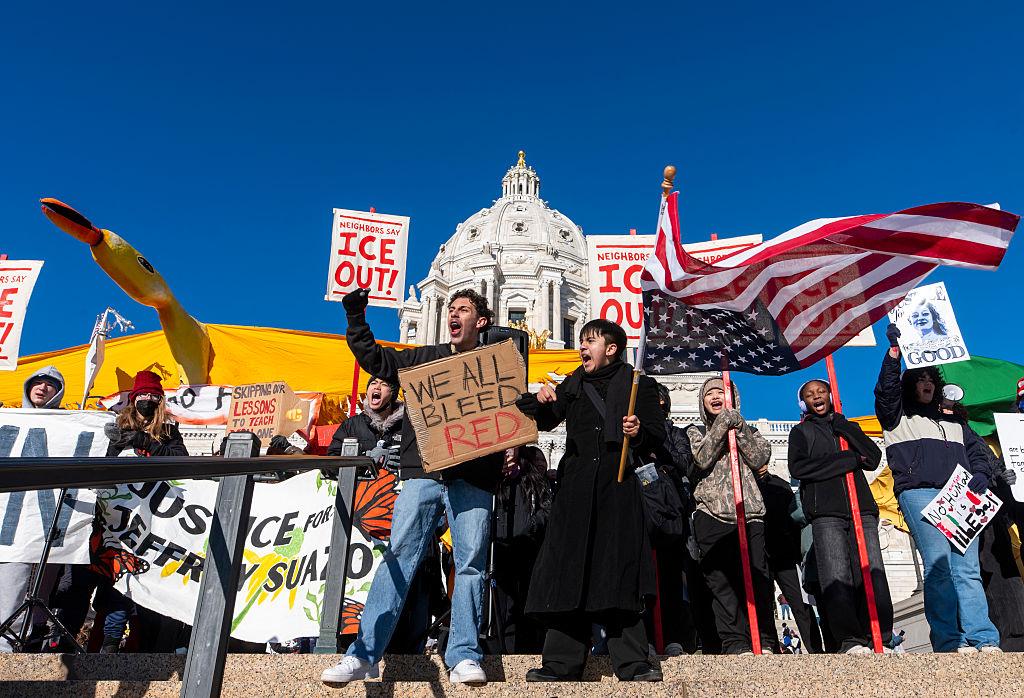
Minnesota is at the center of a high-stakes confrontation between state leaders and the federal government over an unprecedented immigration enforcement effort known as Operation Metro Surge, where thousands of federal immigration agents have been deployed to the Minneapolis–Saint Paul area, resulting in arrests, fatal shootings of two U.S. citizens and sweeping protests.
This clash not only involves intense on-the-ground enforcement but also a deep legal and political battle, as state officials accuse the federal government of overreach, undermining local authority, and prioritizing political objectives. Federal authorities counter that the operation is a lawful attempt to enforce immigration laws in areas where they argue sanctuary policies hinder cooperation.
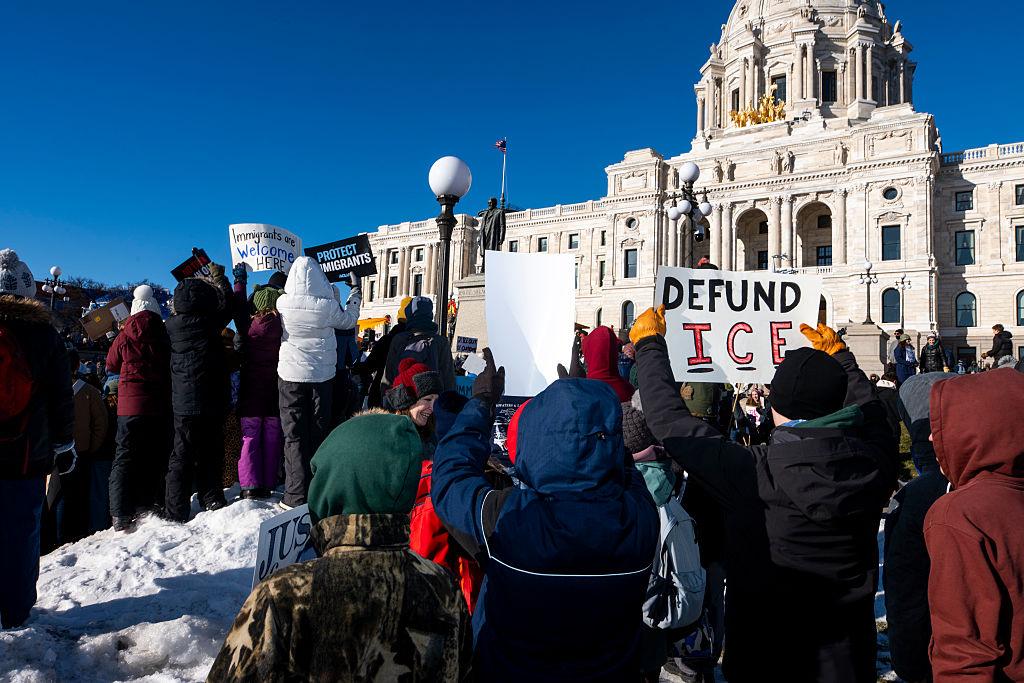
This matters now because the dispute is spilling over into courtrooms, Capitol Hill funding fights, federal civil rights investigations, and national debates over the limits of federal power — making Minnesota a flashpoint that could reshape U.S. immigration policy and state–federal relations.
What Is Operation Metro Surge and Why It Started
Operation Metro Surge began in December 2025 when the U.S. Department of Homeland Security sent thousands of Immigration and Customs Enforcement (ICE) and Customs and Border Protection (CBP) officers to Minnesota’s urban centers.
According to federal authorities, the operation’s stated goal is to arrest undocumented immigrants suspected of serious criminal activity and investigate immigration fraud. Officials argue that sanctuary laws in cities like Minneapolis and Saint Paul have impeded routine cooperation, forcing a more aggressive federal presence.
However, state officials and critics contend the scale and tactics of Metro Surge far exceed normal immigration enforcement, calling it a federal “occupation” that disrupts civil life, threatens constitutional boundaries, and targets communities with minimal public safety justification.
Fatal Shootings and the Human Toll of Enforcement
The controversy intensified after two U.S. citizens, Renée Good and Alex Pretti, were shot and killed during immigration enforcement incidents in Minneapolis in January 2026. These deaths — widely documented and protested — have become the rallying point for critics of the federal operation.
Good and Pretti were not confirmed to be undocumented immigrants, and their deaths triggered protests, community outrage, and demands for independent investigations. Civil rights groups argue that the use of force was excessive, and local leaders accuse federal agents of racial profiling and undermining basic civil liberties.
The shootings have also had real consequences for daily life: schools shifted to remote learning in some areas, local businesses reported closures or reduced hours, and many residents avoided public spaces due to fear of roundups or violence.
The Legal Battle: Minnesota’s Constitutional Challenge
Minnesota, along with officials from Minneapolis and St. Paul, filed a federal lawsuit in January 2026 arguing that the ICE surge violates the Tenth Amendment, asserting that the federal government is effectively commandeering local spaces and overruling state sovereignty.
In late January 2026, U.S. District Judge Katherine Menendez denied a request for a preliminary injunction that would have paused the federal operation while the lawsuit proceeds, ruling that Minnesota had not met the legal threshold to halt the enforcement action itself.
The court did not dismiss the broader constitutional claims, and the lawsuit continues, but this decision allows Metro Surge to continue, at least for now. Federal defenders say the judiciary should not micromanage immigration enforcement, whereas Minnesota officials argue the denial underscores how difficult it is to check federal actions in court.
Wider Political Fallout and National Impact
The Minnesota confrontation has broader political repercussions. Democrats on Capitol Hill have threatened to block Homeland Security funding in response to the aggressive tactics, turning what was once a local enforcement issue into a national budget debate.
In Minneapolis, protests continue, sometimes under slogans like “no work, no school, no shopping,” as residents across the country express solidarity with Minnesota communities and opposition to mass deportation policies.
Beyond protests, civil rights investigations are underway — including federal scrutiny into whether Minnesota’s governor and mayor unlawfully impeded immigration agents, adding another layer to the tense jurisdictional conflict.
Some local governments outside Minnesota, such as Chicago, are taking preemptive action by ordering police to document any alleged illegal conduct by federal immigration agents, reflecting how the controversy is influencing other cities’ approaches to federal enforcement.
Why This Matters Now and What Comes Next
At its core, the Minnesota dispute touches on enduring questions about federalism, civil rights, immigration enforcement, and political polarization in the U.S. — all heightened in the run-up to major national elections.
For many Minnesotans, the issue is deeply personal: families fear separation, residents fear violence, and communities are mobilizing in ways not seen in decades. For federal leaders, the drive to enforce immigration laws is a cornerstone of policy promises made to voters.
The outcome of the legal challenges, ongoing protests, and political negotiations could reshape how federal immigration power is exercised, possibly setting precedents for how far Washington can go in internal enforcement without local consent.
As momentum builds and voices on all sides escalate, this standoff in Minnesota may not remain isolated — but could instead become emblematic of 21st-century disputes over immigration, governance, and American constitutional identity.
Subscribe to trusted news sites like USnewsSphere.com for continuous updates.