Minneapolis is reeling after the killing of Alex Pretti, a 37-year-old ICU nurse shot dead by federal agents during an immigration protest, with witness testimony and video evidence directly contradicting the Department of Homeland Security’s account that he was armed and threatening. This matters now because the clash between eyewitness accounts, official statements, and legal action is reshaping public trust and igniting protests, political backlash, and nationwide calls for accountability. The shooting has not only raised pressing questions about the use of force by federal agents but has also become a flashpoint in debates over constitutional rights and law enforcement transparency.
What Happened: Contradictory Accounts Emerge
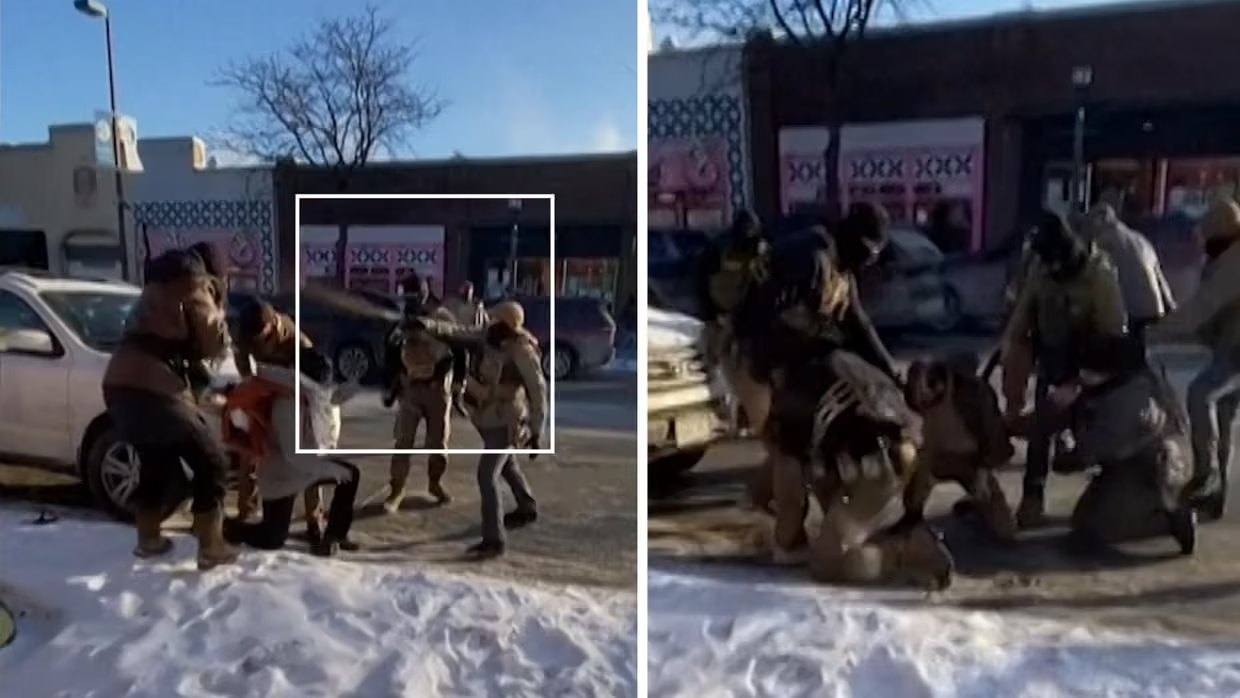
Eyewitnesses present a radically different picture of the fatal Jan. 24 Minneapolis shooting from that offered by federal authorities. Two individuals have provided sworn affidavits asserting that Pretti did not brandish any weapon when border patrol agents confronted him during an immigration enforcement operation — claiming instead that Pretti was holding a camera or phone and seeking to help others on the street. According to these testimonies, which have now become central to a federal court lawsuit, officers tackled and shot him without clear provocation.
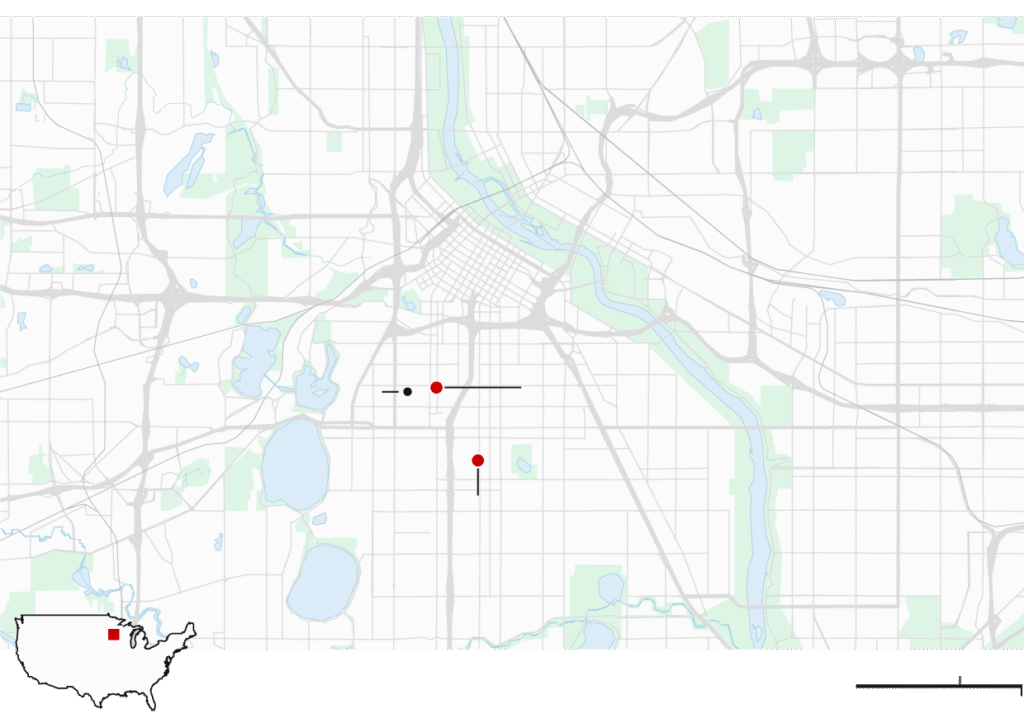
Video footage widely circulated online appears to back up this version of events, showing Pretti with what looks like a phone in his hand rather than a gun, and contradicts the government’s assertion that he presented an imminent threat. The footage and eyewitness statements have drawn sharp criticism of the official narrative and spurred legal challenges to restrict the Department of Homeland Security from tampering with evidence.
Despite these accounts, DHS officials and their supporters have maintained that Pretti “approached” agents with a firearm, asserting that the use of deadly force was justified. This inconsistency between statements and footage has fueled intense public debate about what exactly occurred in those moments before Pretti’s death.
Who Alex Pretti Was: Nurse, Veteran Advocate, Protester
Alex Jeffrey Pretti was not just another casualty of a federal operation — he was a well-known ICU nurse at the Minneapolis Veterans Affairs hospital, remembered by colleagues and friends as compassionate, dedicated, and committed to serving veterans. He was a licensed health professional with no significant criminal history, and friends described him as someone who cared deeply about community welfare.
Pretti was also a lawful gun owner with a concealed-carry permit, though his family and coworkers emphasized that he rarely carried the weapon in public and certainly did not brandish it during the confrontation that cost him his life. His participation in the protest stemmed from his opposition to federal immigration policies, and witnesses said he was attempting to assist others, not instigate violence.
This personal background has played a major role in shaping public perception of the killing, underscoring the contrast between who Pretti was and the circumstances of his death as presented by federal authorities.
Political and Legal Fallout: National Reaction Grows
The shooting has triggered a wave of political response, legal scrutiny, and grassroots protest. Lawmakers, including House Committee leaders, have condemned the killing and demanded accountability, while protests in Minneapolis and other U.S. cities have drawn thousands, reflecting broader unease with federal law enforcement tactics. These demonstrations are part of a larger movement against what critics call an overreach of federal immigration enforcement.
A federal judge in Minnesota has issued a temporary order requiring DHS to preserve all evidence related to the shooting, reflecting growing judicial concern over transparency and proper handling of investigative materials. Meanwhile, protests intensified, with demonstrators demanding justice for Pretti and calling for independent inquiries into the use of lethal force.
Political figures from both sides of the aisle have weighed in, with some defending federal agents’ actions as lawful and necessary, and others decrying what they see as excessive force and serious constitutional violations. The debate has quickly expanded beyond Minnesota, touching on federal funding for border agencies and broader discussions on policing practices in the United States.
Why This Matters Now: National Implications
What makes this story especially newsworthy is the clear divide between video and witness accounts versus official claims — a conflict that shakes public trust in government reporting and law enforcement transparency. With protests spreading, political leaders responding, and legal challenges underway, the implications extend well beyond one tragic shooting. They speak to larger questions about civil rights, protester safety, and the accountability of federal agencies in domestic law enforcement roles.
Furthermore, the handling of evidence by DHS has raised legal and ethical red flags, prompting judicial action and increasing scrutiny from both state authorities and civil liberties organizations. This broader context adds urgency to the national conversation about civil liberties and the appropriate limits of federal power.
The Impact on Minneapolis and Beyond
In Minneapolis, the community is navigating grief, outrage, and deep distrust toward federal agents. Protests continue as residents demand answers and justice. The national reaction — from lawmakers to advocacy groups — suggests the killing will remain a contentious issue in public discourse and legal arenas for months to come.
The incident has also invigorated discussions around immigration enforcement, the role of federal agencies in local communities, and the protection of constitutional rights during protests. With shifting political landscapes and continued public engagement, the Pretti case is likely to influence legislation, law enforcement protocols, and media coverage going forward.
Subscribe to trusted news sites like USnewsSphere.com for continuous updates.