The Greenland research center has paused new research collaborations with United States institutions after raising concerns about the safety of its scientists and the protection of scientific data. The decision affects future partnerships while allowing existing projects to continue. The move comes during renewed political tensions surrounding Greenland and growing debate over international scientific cooperation. Why this matters now: Greenland plays a critical role in Arctic climate research, global sea-level monitoring, mineral resource studies, and environmental science, making changes in its international partnerships important well beyond the Arctic.
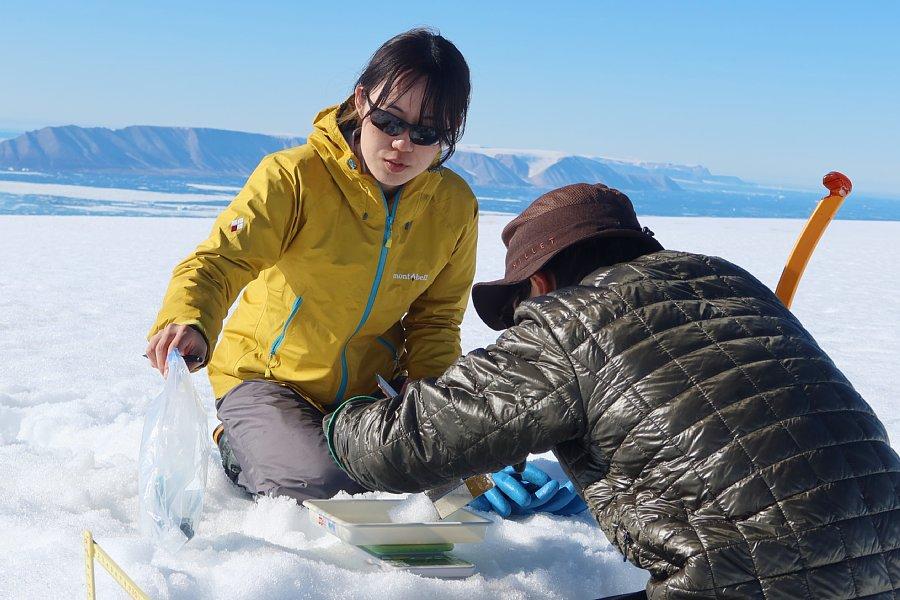
The Greenland Institute of Natural Resources said it will only continue projects with trusted American partners that already exist. According to institute leadership, the decision was made to reduce potential risks for researchers traveling internationally and to better protect valuable environmental research. While the institute emphasized that it remains committed to international science, it believes extra caution is necessary under current circumstances.
Greenland’s Decision Reflects Growing Concerns Over Scientific Cooperation
The Greenland Institute of Natural Resources is one of the Arctic’s leading environmental research organizations. Its scientists study fisheries, marine ecosystems, wildlife populations, glaciers, biodiversity, climate change, and sustainable management of Greenland’s natural resources. Research from the institute contributes to scientific understanding used by governments, universities, and environmental organizations worldwide.
Institute Director Josephine Nymand explained that the organization decided not to begin new projects with unfamiliar US partners while maintaining existing collaborations. Officials also expressed concern about protecting both scientific data and researchers during international travel. The institute stressed that the decision is precautionary rather than a rejection of scientific cooperation itself.
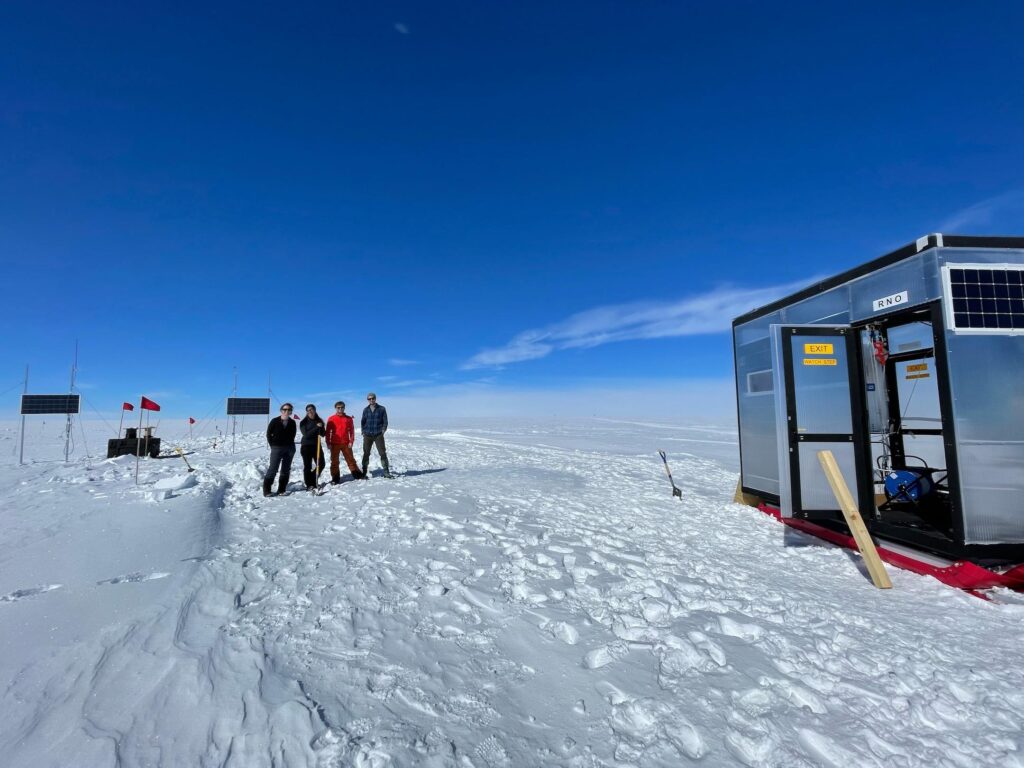
Political Tensions Add Pressure to Arctic Research
The announcement comes after renewed political debate over Greenland’s future. US President Donald Trump recently repeated his view that Greenland should come under US control because of its strategic location and valuable natural resources. Greenland remains a self-governing territory within the Kingdom of Denmark, and both Greenlandic and Danish leaders have repeatedly stated that Greenland’s future should be determined only by its own people.
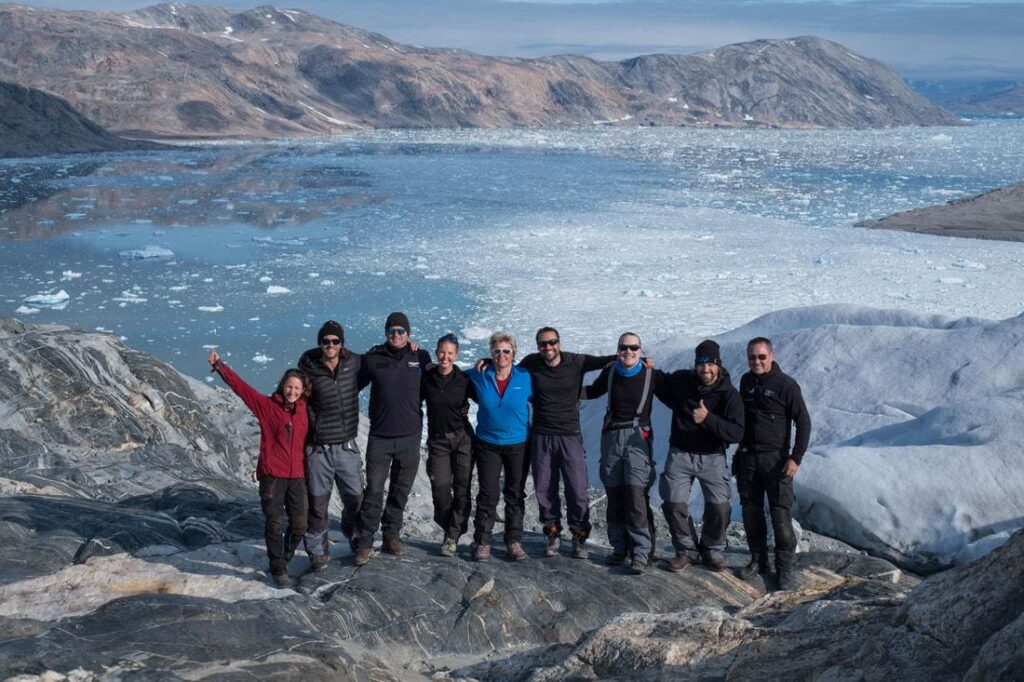
These political discussions have increasingly overlapped with scientific cooperation. Arctic research depends heavily on international partnerships because climate systems, ocean currents, wildlife migration, and polar ice changes cross national borders. When political uncertainty affects collaboration, scientists often face additional logistical, legal, and administrative challenges that can slow research progress.
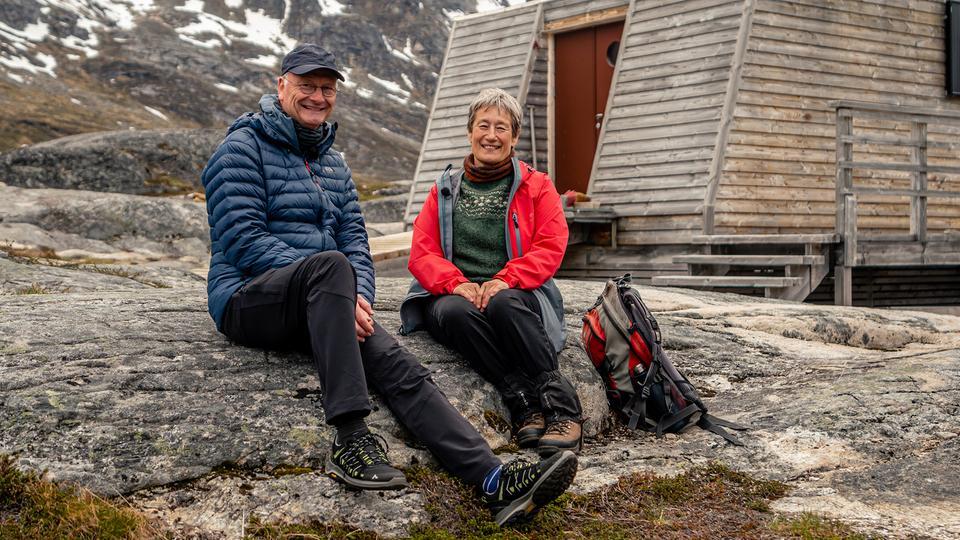
Greenland’s Scientific Importance Goes Beyond the Arctic
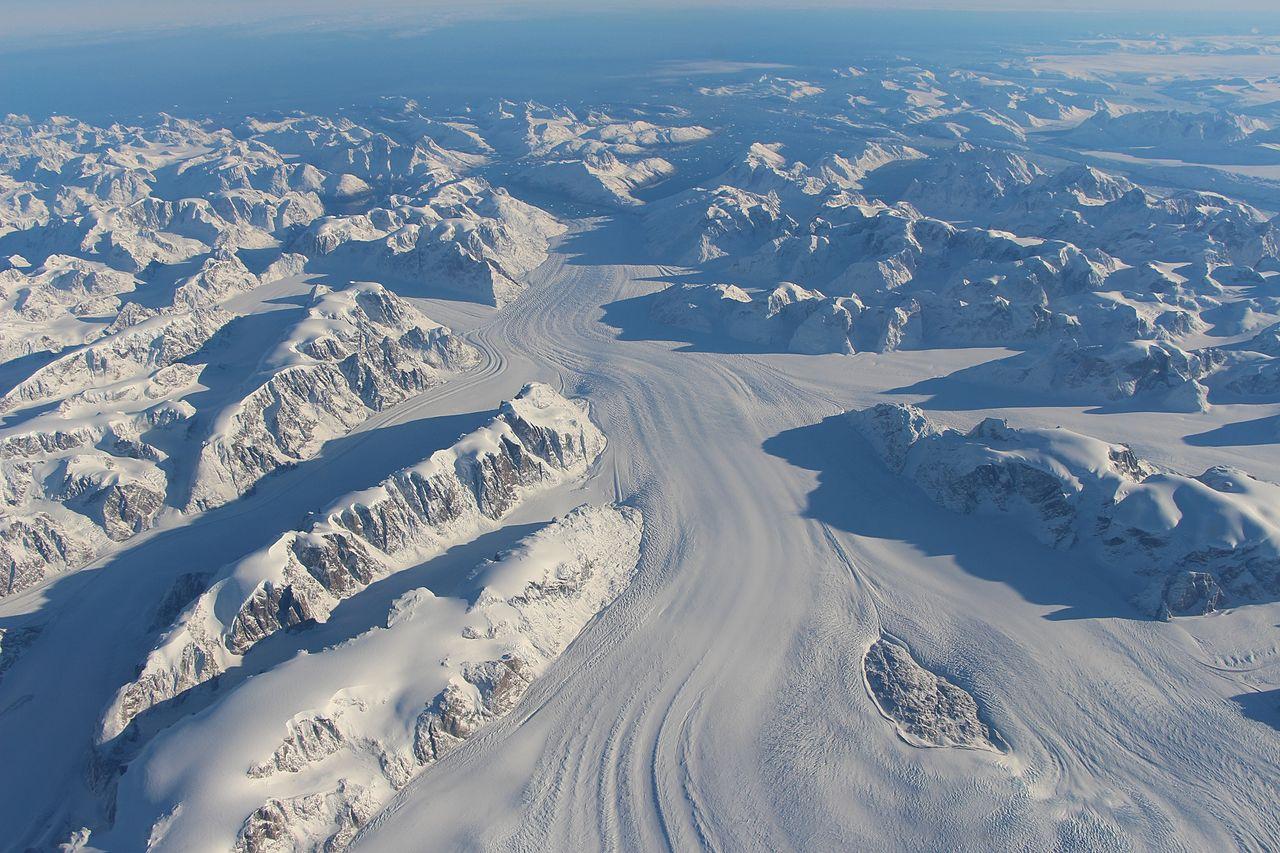
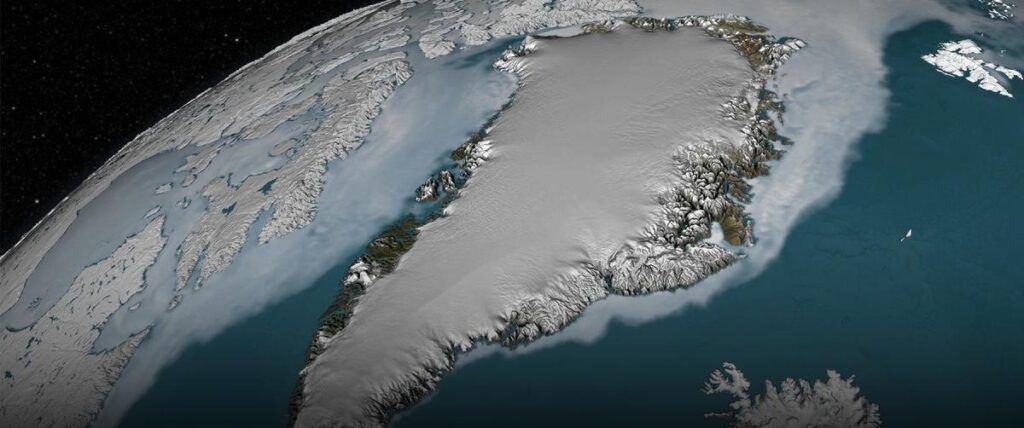
Greenland is one of the world’s most important regions for climate science. The island’s massive ice sheet contains enough frozen water to significantly influence global sea levels if melting accelerates. Scientists continuously monitor glaciers, ocean temperatures, snowfall, ice movement, and freshwater entering the North Atlantic Ocean. These observations help improve climate models used by governments worldwide.
Researchers are also studying how Greenland’s melting glaciers could influence the Atlantic Meridional Overturning Circulation (AMOC), a major ocean current system that helps regulate weather patterns across Europe and North America. International expeditions continue to gather new data because understanding these changes is increasingly important as global temperatures rise.
What the Pause Means for US Researchers
The institute’s decision does not end every partnership with American organizations. Existing projects are expected to continue, helping minimize disruptions to ongoing environmental studies. However, new collaborations with previously unknown US partners are being placed on hold until institute leaders believe conditions become more favorable.
Many American universities have worked alongside Greenlandic researchers for decades on Arctic ecology, geology, glaciology, fisheries, and climate monitoring. Those long-standing relationships remain valuable because many research programs require years of continuous observations to produce reliable scientific results. Maintaining these ongoing studies is considered essential for understanding long-term environmental change.
International Science Depends on Trust and Open Collaboration
Modern scientific research relies on the free exchange of information, international conferences, shared databases, and cross-border teamwork. Arctic science is especially dependent on multinational cooperation because no single country can independently monitor every part of the rapidly changing polar environment. Trust between research institutions remains one of the foundations of successful global science.
Experts say future cooperation will likely depend on how international relationships evolve over the coming months. If confidence between research organizations improves, new partnerships could eventually resume. Until then, Greenland’s decision highlights how scientific collaboration can be influenced by broader geopolitical developments, even when researchers share common environmental goals.
Why This Story Matters Globally
The Greenland research center’s decision extends beyond one institution or one country. It illustrates the growing connection between geopolitics, environmental science, research funding, and international collaboration. Greenland’s scientific observations influence global understanding of climate change, rising sea levels, Arctic ecosystems, and future environmental risks.
As governments continue to focus on the Arctic’s strategic and economic importance, maintaining independent scientific research will remain essential. Reliable climate data, transparent international cooperation, and the safety of researchers are critical for producing evidence that helps policymakers, businesses, and communities prepare for environmental change. The coming months will show whether scientific partnerships can continue expanding despite political uncertainty.
Subscribe to trusted news sites like USnewsSphere.com for continuous updates.