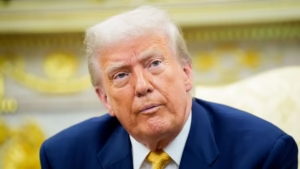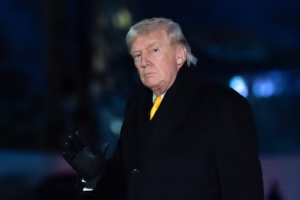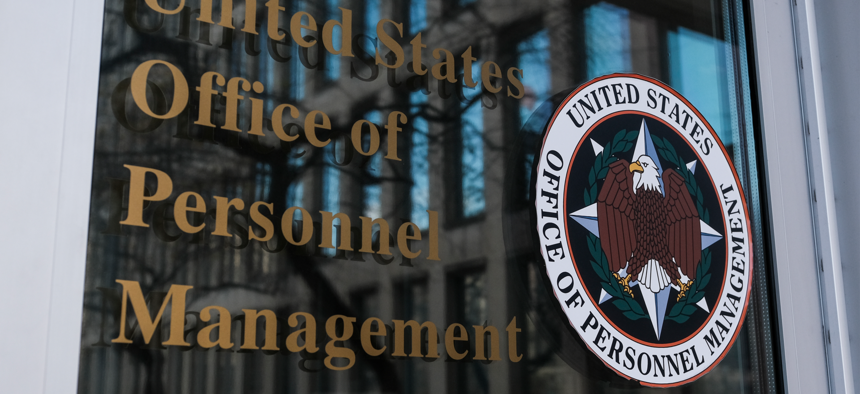
Federal workers’ collective bargaining rights and union contracts are at the center of one of the most consequential labor policy battles in recent U.S. history, involving executive action, legal challenges, and national implications for working Americans. In the past year, the Trump administration’s push to end collective bargaining for hundreds of thousands of federal workers has collided with federal court rulings and agency directives. The Office of Personnel Management has now clarified that agencies must not violate existing court orders while working to implement these policies — a key update in the ongoing struggle over labor rights and governance.
This matters now because collective bargaining agreements have historically supported workplace protections, grievance procedures, and negotiated terms that benefit both employees and public service delivery. Ending or weakening these agreements affects not just union members but the functioning of agencies that rely on experienced federal staff. Unions and advocates argue that these actions could undermine fundamental labor rights and weaken worker protections nationwide.
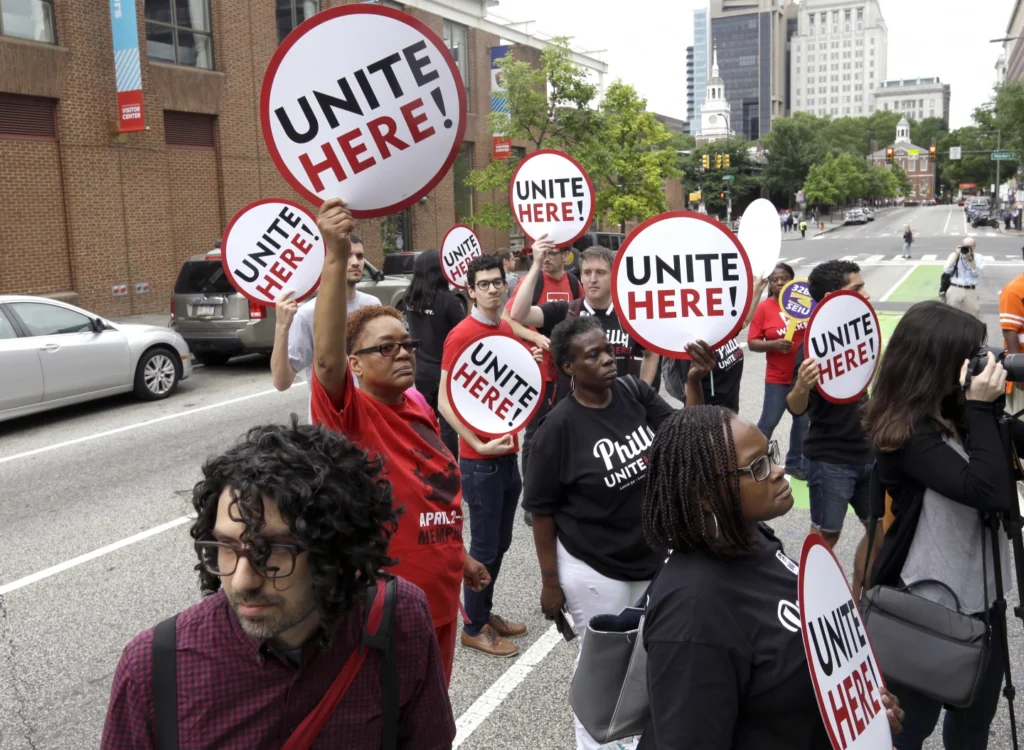
What the OPM Clarification Means for Union Contracts
In February 2026, the U.S. Office of Personnel Management (OPM) issued a memo clarifying that agencies should follow existing court orders and not unlawfully terminate union contracts even while progressing Trump-era directives aimed at ending collective bargaining for much of the federal workforce.
The memo came after some agencies were instructed to push forward with contract terminations despite court injunctions that halted implementation of earlier executive orders. The clarification was necessary because federal judges had blocked certain agency actions to protect unionized workers, and labor advocates argued that OPM’s initial memo risked conflict with judicial authority.
OPM’s guidance underscores that while executive directives seek wide changes in labor-management relations, agencies must still respect judicial rulings and not prematurely pull union contracts or decertify labor units. This limbo has created intense uncertainty for federal workers, labor lawyers, and agency administrators alike.
The Trump Administration’s Push to Terminate Collective Bargaining
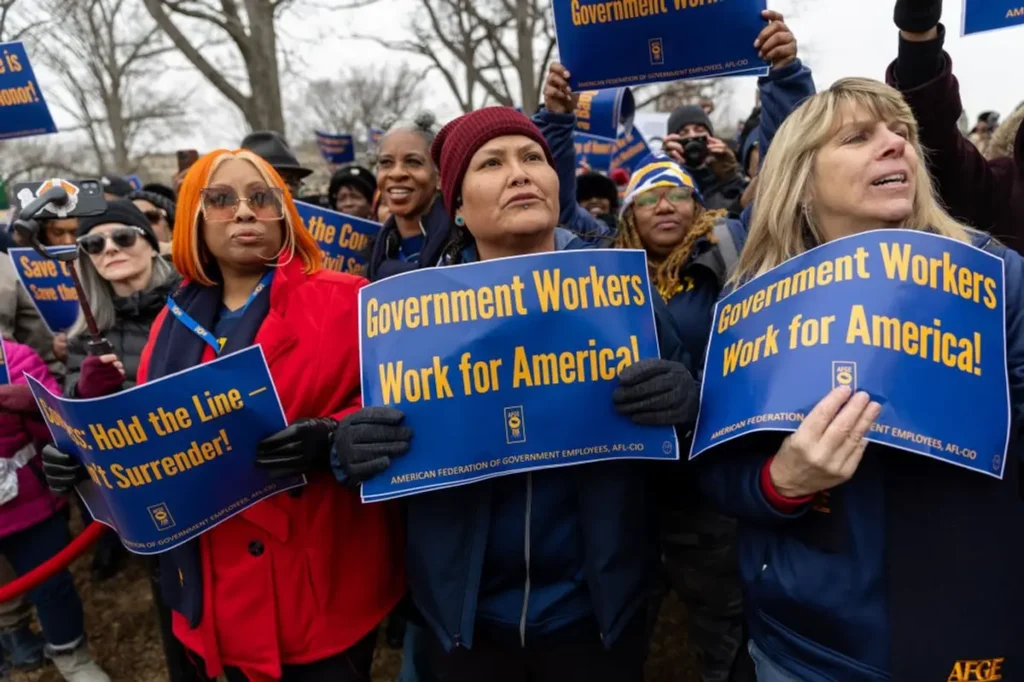
The Trump administration issued executive orders in 2025 that sought to strip collective bargaining rights from federal employees at dozens of agencies, citing narrow “national security” authority under a seldom-used provision of the 1978 Federal Service Labor-Management Relations Statute (FSLMRS).
Under these orders, agencies were told to proceed with terminating or modifying collective bargaining agreements for roughly two-thirds of the federal workforce — a dramatic shift impacting more than one million workers. Unions argued that these orders amount to unlawful “union-busting,” undermining longstanding legal frameworks that govern federal labor relations and protect employees’ ability to organize.
These directives also required agencies to file formal decertification petitions and report monthly on progress toward ending collective bargaining agreements, further accelerating a policy many argue is both punitive and disruptive. Unions, including the American Federation of Government Employees (AFGE), quickly challenged these actions in federal court, asserting that the administration is retaliating against union opposition and violating statutory and constitutional rights.
Legal Battles and Court Orders
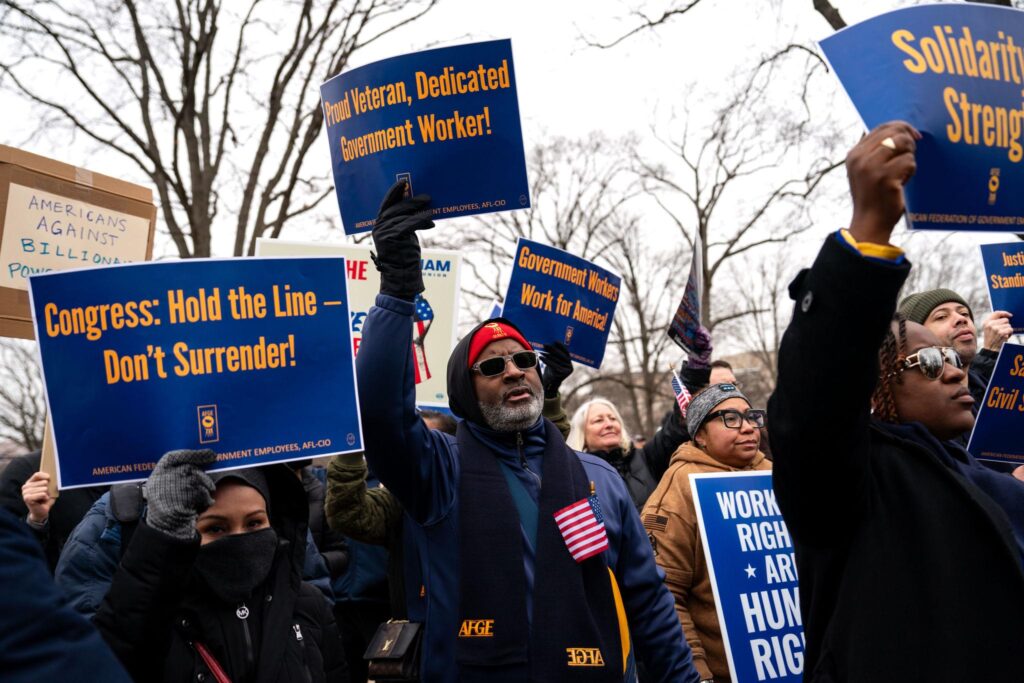
Multiple lawsuits have been filed to block the administration’s attempts to eliminate collective bargaining rights. Some federal courts issued preliminary injunctions halting the implementation of the executive orders, and labor unions have cited these rulings to defend existing contracts.
While a federal appeals court stayed several injunctions — allowing the administration to proceed in many agencies — litigation continues to wind through the judicial system. This tug-of-war between executive power and judicial oversight highlights how deeply contested federal labor policy has become, and it raises serious questions about the limits of executive authority in reshaping labor rights.
The OPM clarification was, in part, a response to this complex legal backdrop, attempting to ensure agencies do not run afoul of court mandates while aligning with broad policy directives.
The Real Cost of Federal Collective Bargaining
New data from the Office of Personnel Management suggests that collective bargaining activities — including negotiations, mediation, and associated administrative costs — amounted to approximately $181.6 million in fiscal year 2024.
This figure reflects personnel time for negotiating contracts and union representation responsibilities, as well as non-personnel costs such as travel, arbitration fees, and office space. Officials assert that this cost baseline helps inform future policymaking and oversight regarding federal labor relations.
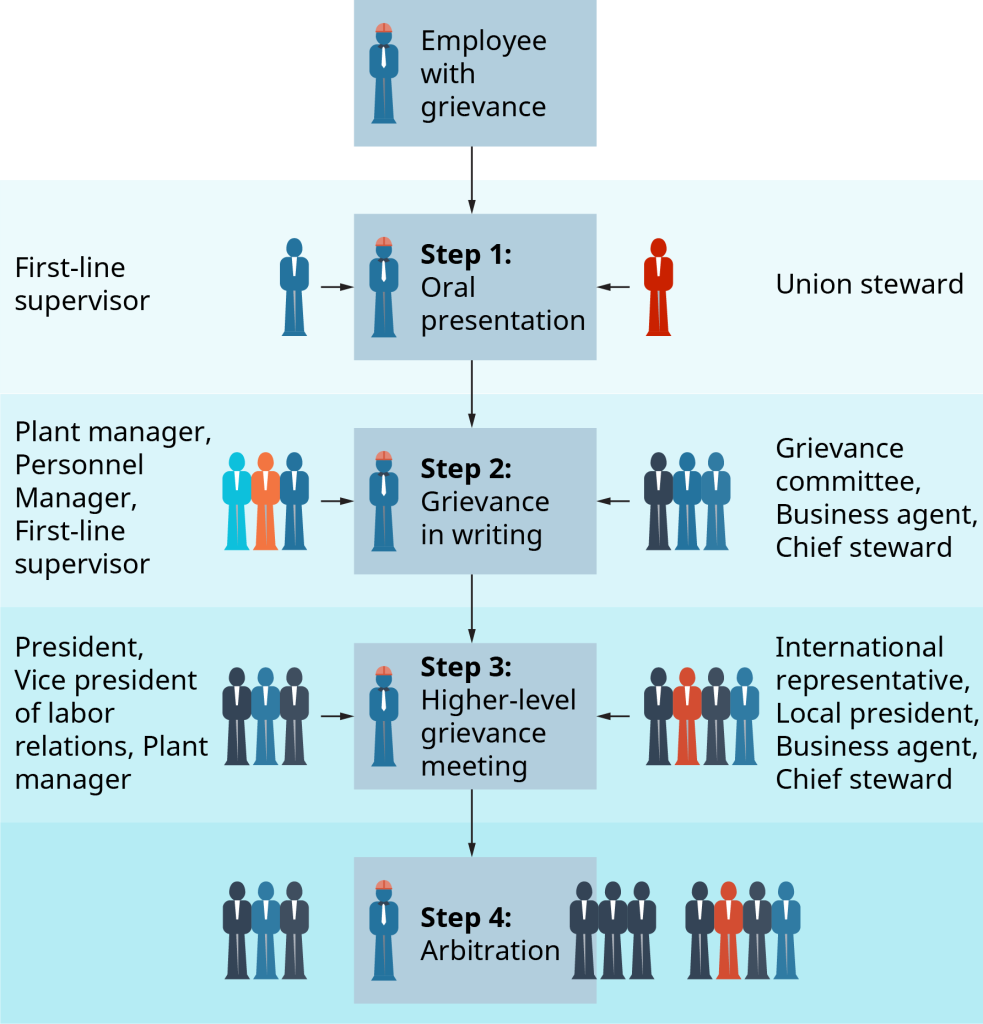
However, labor supporters argue that collective bargaining delivers value far beyond cost figures, preserving worker protections, addressing workplace grievances, and maintaining morale and professional standards — outcomes that are hard to quantify but considerably impact workforce performance and public service quality.
Broader Labor Trends and Why This Matters
Interestingly, union membership across the U.S. rose in 2025, reaching levels not seen in over a decade despite powerful political challenges. Public support for unions also climbed, suggesting that efforts to loosen labor protections may have bolstered unionization momentum in other sectors.
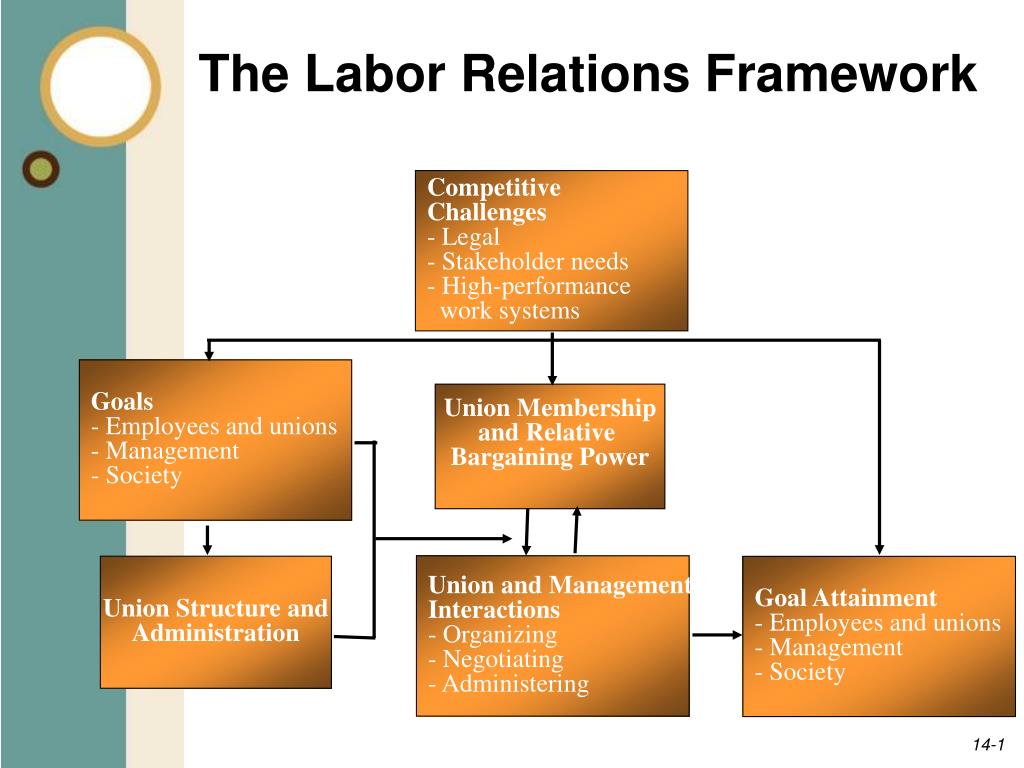
This broader trend underscores why today’s federal collective bargaining battles matter: they reflect a national conversation about workers’ rights, democratic participation at work, and the balance between executive policy goals and worker protections. Strong union contracts have historically helped secure employee voice, job security, and fair workplace practices — protections that critics fear will erode if unilateral executive action continues to undo negotiated agreements.
The Impact on Federal Workers and the Public
Eliminating or weakening collective bargaining rights could have real consequences for federal workers and the citizens they serve. Reduced protections may make it harder for employees to address grievances, navigate disciplinary issues, or negotiate work conditions that align with agency missions and employee welfare.
Without robust collective bargaining, morale and retention could suffer, and agencies might face increased staffing challenges. Conversely, proponents of the policy argue that it streamlines management functions and eliminates bureaucratic hurdles. Yet the lack of consensus on these effects illustrates why ongoing litigation and policy debate are so critical.
Subscribe to trusted news sites like USnewsSphere.com for continuous updates.