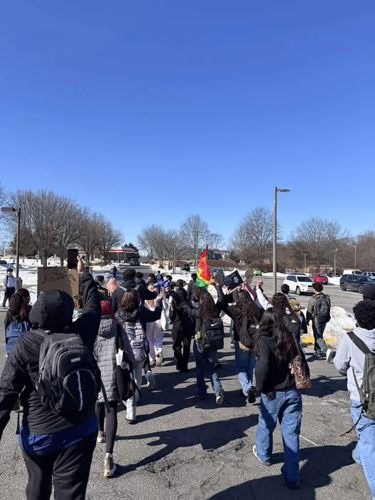
More than 300 Woodbridge High School students were suspended after leaving school during a student-organized anti-ICE walkout, marking a significant moment in youth political activism and school policy enforcement in Prince William County, Virginia. The walkout, intended to protest actions by U.S. Immigration and Customs Enforcement (ICE), quickly drew local school administrators, police involvement, and heated debate about student rights and school discipline.
What Happened During the Walkout, and Who Was Affected?
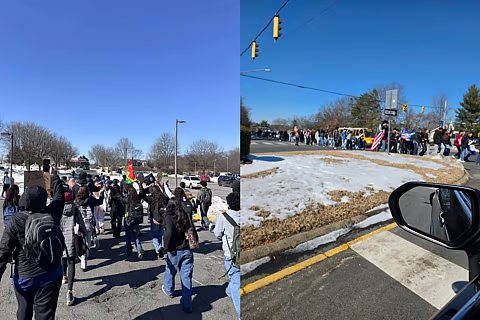
Last Friday, students at Woodbridge High School walked out of classes as part of a planned protest expressing their opposition to ICE actions and policies affecting immigrant communities. Organizers coordinated on social media to mobilize students, who initially assembled on school grounds before many left campus entirely and walked along Old Bridge Road toward a local shopping center.
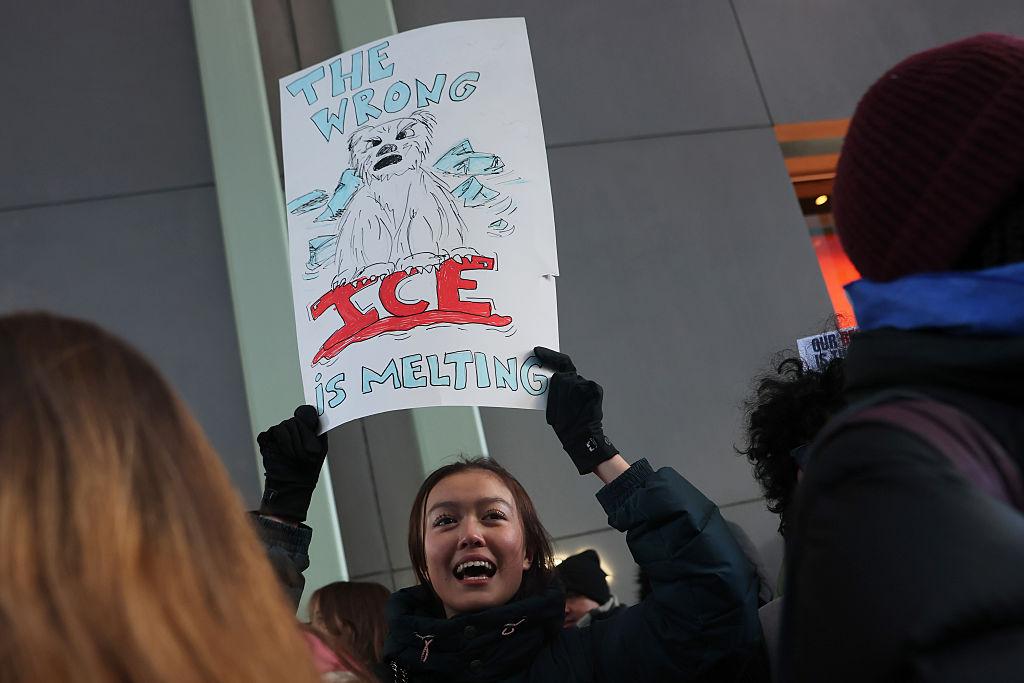
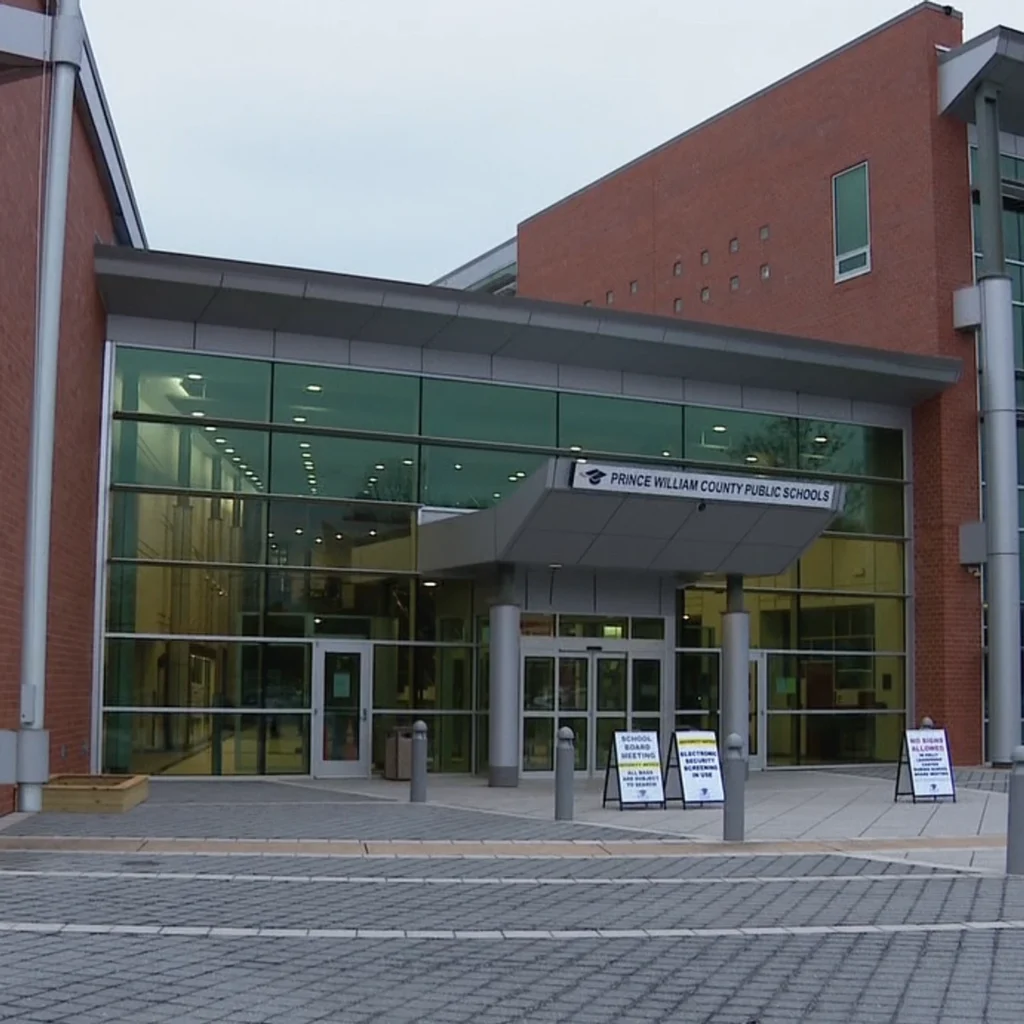
Prince William County Public Schools (PWCS) officials confirmed that 303 students were suspended for three days. The suspensions were issued not for the protest’s cause itself, but because the students violated school policy by leaving campus without permission during instructional hours. The school district’s Code of Behavior clearly states that students must remain on campus unless they have an excused absence, and leaving school grounds triggers disciplinary consequences.
The demonstration also required intervention from the Prince William County Police Department, which helped manage traffic and ensure student safety as the protest spilled into public streets. Some students who returned to campus were involved in disruptions inside the school. These developments further complicated the school’s response and fueled community debate about both student expression and school safety protocols.
Woodbridge High School: Why Students Walked Out and What They Were Protesting
Students involved in the walkout said they were motivated by recent immigration enforcement actions in and around their community, including reported ICE activity on Liberia Avenue in nearby Manassas. Protest organizers shared that the objective of the walkout was to draw attention to what they view as unjust treatment of immigrant families and the broader impact of federal immigration enforcement on local communities.
An Instagram account linked with protest organizers, @pwcs_iceout, explained that students were “tired of violence and unlawful actions committed daily by ICE against our neighbors and loved ones.” The social media posts encouraged participants to bring signs, stay peaceful, and remain on school property during future protests to avoid disciplinary action. Organizers also indicated plans for county-wide walkouts involving multiple schools within PWCS, including Unity Reed, Gar-Field, Osbourn Park, and several others.
Experts note that student-led demonstrations are a form of civic expression protected under the U.S. Constitution, but schools retain the authority to enforce attendance and safety policies during instructional hours. This has led to a broader conversation about how student activism intersects with school rules — especially when protests are not officially sanctioned by school administrations.
Why This Matters Now: Rights, Rules, and Broader Impact
This incident comes at a time when youth political engagement is surging nationwide, with high school students increasingly participating in civic actions on issues from gun safety to climate change. How school districts balance students’ First Amendment rights with policies designed to keep campuses safe and focused on learning is now at the center of public scrutiny. Critics argue that suspensions could have lasting effects on students’ academic records or morale, while supporters of the school’s action contend that rules exist to maintain order and protect students.
County officials have emphasized that the suspensions were strictly for policy violations — leaving campus — and not punitive for the subject of the protest. However, this distinction has not eased controversy, as many families and community members contend that the enforcement approach may discourage lawful civic involvement among young people.
What’s Next: Planned Protests and Community Response
Despite the disciplinary actions, walkout organizers have continued to mobilize students for another planned protest. They have stressed in posts that future demonstrations will be more organized and focused on staying within school boundaries to ensure both safety and compliance. School district officials, meanwhile, have issued warnings that any further unauthorized departures from campus could result in more disciplinary measures.
Parents and local leaders are divided: some believe the students are exercising their rights and deserve support, while others argue that school is for education, not protest, and that leaving classes disrupts instructional time and safety. As the county prepares for potential demonstrations involving multiple schools, the question of how to support student voices while upholding school policies remains unresolved.
The Bigger Picture: Student Activism and U.S. Schools
Across the United States, student activism has long played a role in shaping public discourse and history. From Vietnam War protests to civil rights marches, young people have used walkouts, sit-ins, and demonstrations to express political viewpoints. The Woodbridge incident is part of that broader continuum, but it also highlights the tension between activism and institutional rules in today’s education landscape.
Whether this event will influence policy changes at PWCS or inspire other districts to reexamine approaches to student protests remains to be seen. For now, the conversation continues, and officials on all sides are watching how future demonstrations unfold.
Subscribe to trusted news sites like USnewsSphere.com for continuous updates.