The 2026 Minnesota immigration enforcement surge led by President Donald Trump — originally pitched as tough law-and-order action — has evolved into one of the most controversial episodes of his second term and a key test of national politics, civil rights, and election momentum. Federal immigration agents were deployed in large numbers under Operation Metro Surge to investigate fraud and enforce deportations, but instead sparked protests, deadly shootings, court fights, and political backlash from both parties. This matters now because it not only shapes the 2026 midterm landscape but also highlights deep divisions over federal power, community trust, and immigration policy in America.
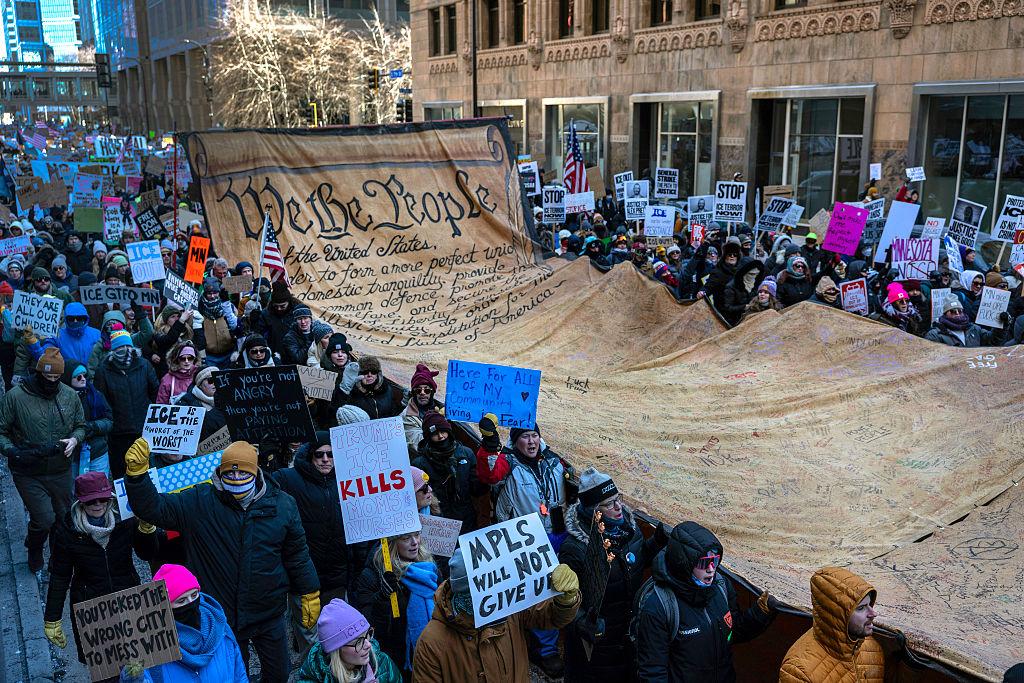
At its core, the Minnesota crisis began with a federal drive to crack down on alleged welfare fraud and undocumented immigration — but the execution and consequences quickly overshadowed the original goals. Rather than reducing crime or fraud, the operation’s fallout has fueled protests, legal challenges, and political shifts across the Midwest and beyond.
What Was Operation Metro Surge, and How It Unfolded
Operation Metro Surge was launched in early January 2026 when the Department of Homeland Security and Immigration and Customs Enforcement (ICE) sent thousands of agents to Minneapolis-Saint Paul in what the administration called its largest immigration enforcement effort ever. The goal was to target alleged social services fraud connected to immigrant communities and to enforce federal immigration laws.
But within weeks, multiple U.S. citizens and legal residents were killed in confrontations with federal agents. The deaths of Renée Good and Alex Pretti sparked nationwide outrage and raised serious questions about the operation’s tactics and priorities. Videos shared on social media and coverage by major news outlets intensified public scrutiny and forced elected officials to respond.
Local leaders in Minneapolis, including Mayor Jacob Frey, publicly opposed the surge, arguing it undermined community trust and public safety. Some federal agents and Border Patrol commanders were later reported to be leaving the area amid pressure to de-escalate.
Why the Strategy Backfired Politically and Publicly
Although immigration was once a core Trump political strength, the hard-line approach eroded broad public support, even among Republicans. According to recent polling and commentary, the administration’s handling of enforcement has become a “liability” instead of a winning issue, with public opinion shifting sharply against heavy-handed tactics.
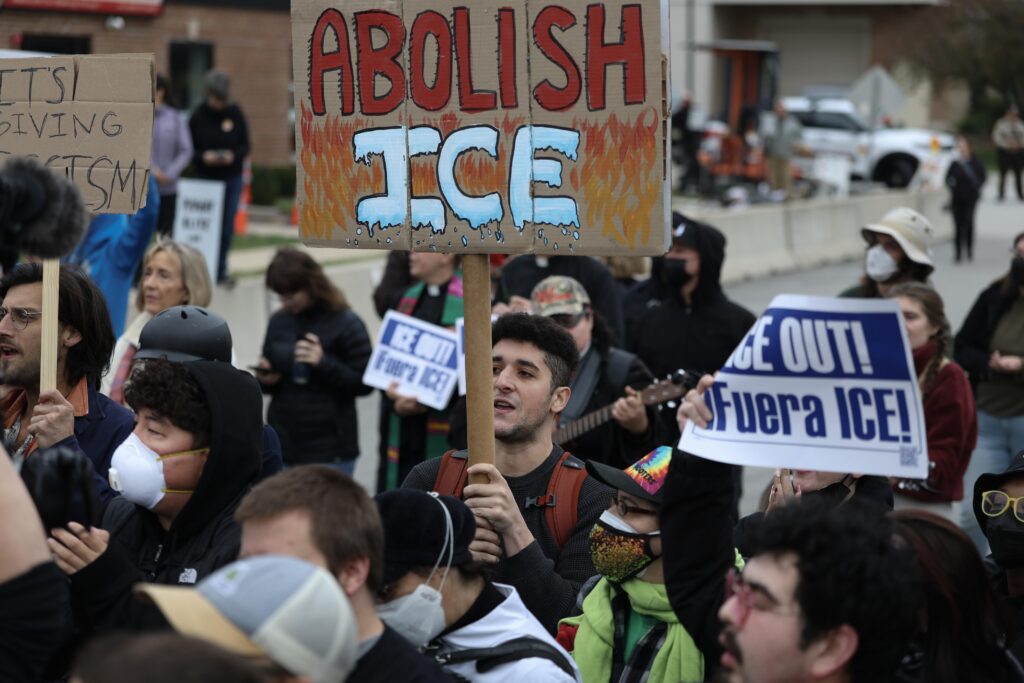
State prosecutors and federal fraud investigations have also struggled to show measurable progress on the charges that were supposed to be the focus of the surge. Critics say the operation appeared disconnected from its stated purpose, especially since most arrests were not tied to serious fraud charges and included many lawful residents or U.S. citizens.
The political impact is broader than Minnesota. Key GOP figures have openly criticized parts of the enforcement strategy, marking a rare moment of intra-party dissent and signaling potential trouble for the Republican agenda in the upcoming 2026 midterm elections.
Mass Protests and Legal Battles Across Minnesota
Public reaction extended far beyond protests. On January 23, 2026, labor unions and community groups organized a statewide general strike — the first of its kind in decades — to oppose the federal operation and demand accountability for the deaths of protester Renee Good and others.
Legal challenges have also mounted. Minnesota’s Attorney General filed lawsuits alleging that the federal actions violated civil rights and state sovereignty. Federal courts have so far declined to halt the overall operation, though orders have been issued restricting some aggressive tactics by ICE agents.
The pushback has extended into ongoing constitutional debates about the limits of federal enforcement within states and the role of local police versus federal agencies. These fights are expected to play out in courts and in the political arena for months.
What This Means for 2026 Politics and the Nation
The Minnesota fallout highlights how a federal policy designed to showcase strength can instead expose vulnerabilities. Trump’s immigration surge has energized opposition, galvanized Democratic turnout, and created uncertainty within the Republican base. Analysts now argue that what was intended as a defining achievement may instead become a cautionary example of overreach with real political consequences.
The events in Minnesota are also shaping national debates over immigration, public safety, and federal-local relations — issues that will be central to the 2026 midterm elections. Whether in campaigns, courts, or community rallies, the repercussions are unfolding in real time and reshaping how Americans view enforcement, civil liberties, and leadership.
What Comes Next for Minnesota and the U.S.
Looking ahead, federal officials say they will adjust the enforcement strategy to focus more narrowly on individuals with criminal records and avoid confrontations with protesters. Meanwhile, local officials continue to challenge aspects of the operation, pushing for accountability and clearer limits on federal power.
Nationwide, the Minnesota episode has already influenced public discourse and may well be a defining chapter of 2026 politics — from ballots to courtrooms — illustrating how complex national issues can become deeply personal and politically charged at the local level.
Subscribe to trusted news sites like USnewsSphere.com for continuous updates.