Epstein Files Latest: DOJ Releases Millions of Documents, Trump Named, Transparency Battle Intensifies — The U.S. Department of Justice has released a massive set of previously sealed files related to convicted sex offender Jeffrey Epstein, revealing new documents, videos, and images while also mentioning former President Donald Trump and numerous powerful public figures — but stopping short of initiating new criminal charges. The renewed disclosures have thrust the government into political controversy, revived public interest in Epstein’s network, and raised critical questions about accountability, transparency, and the influence of authority in high-profile sex trafficking investigations.
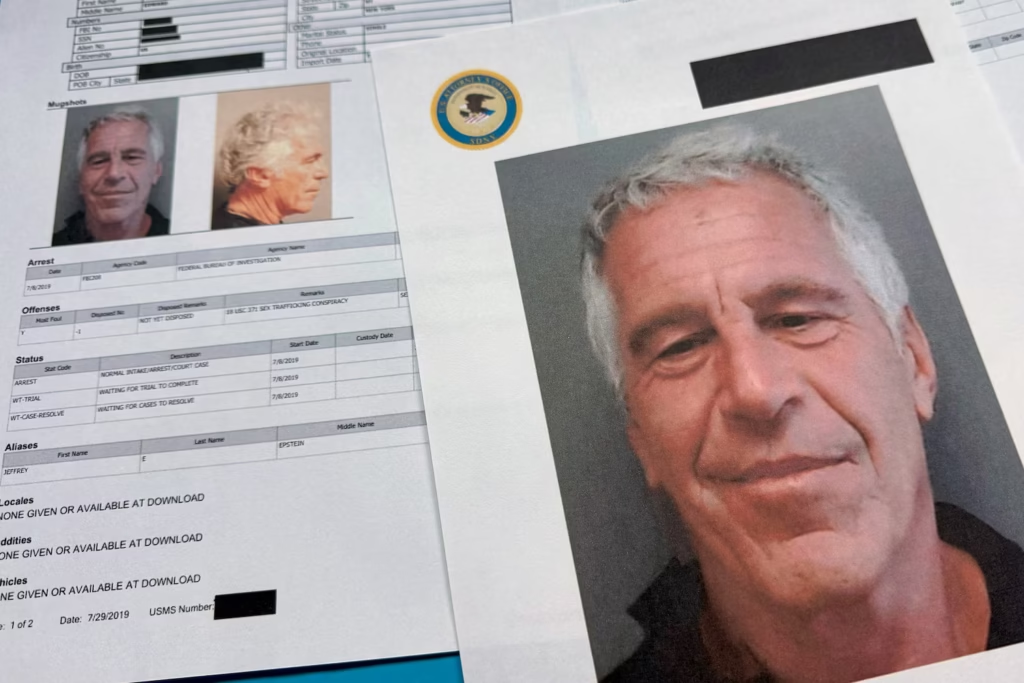
The latest release includes over 3 million pages, 2,000 videos, and 180,000 images from the Epstein investigative files, as compelled by the Epstein Files Transparency Act. While the documents do not allege new crimes, they contain references to influential individuals and offer fresh insight into how law enforcement handled the case, drawing sharp political and public scrutiny.
DOJ Unveils Massive Information Dump While Critics Demand Full Transparency
In late January, the U.S. Justice Department published more than 3 million pages of Epstein-related material, fulfilling a congressional mandate under transparency legislation. This broad release includes emails, photographs, videos, and investigative notes compiled over the years by the DOJ and FBI. Despite the trove’s size, Deputy Attorney General Todd Blanche confirmed that the review is complete and that the current batch represents the department’s efforts to comply with the transparency law.
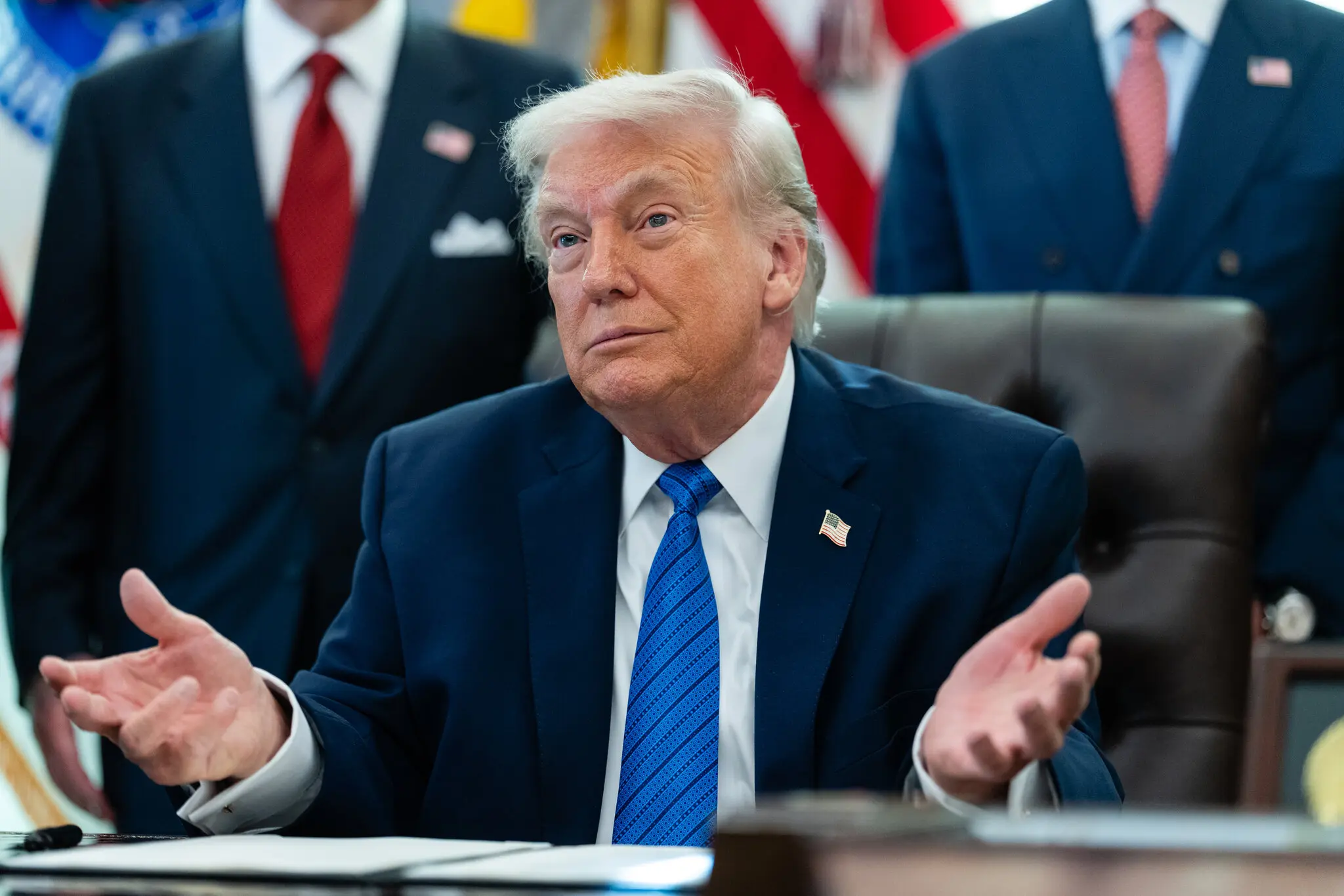
Blanche stressed that although the files make reference to certain public figures — including former President Donald Trump — the material does not justify additional criminal charges. He noted that legal standards for prosecution have not been met, and that some documents withheld under judicial review will remain sealed for now.
However, lawmakers and advocacy groups have accused the DOJ of selectively withholding significant portions of material, pointing to roughly half of the identified responsive documents that remain unreleased. Democratic leaders, including Representatives Jamie Raskin and Ro Khanna, have called for Congress to access unredacted versions, asserting that survivors’ rights and public interest both demand greater transparency.
Critics have also highlighted errors in redactions that exposed victims’ personal details, prompting further outrage from survivors’ attorneys and advocacy organizations who argue that the government’s approach subverts justice rather than delivers it.
Trump’s Mentions and Political Controversy Spark Heated Debate
Though the documents do reference Trump multiple times, the DOJ has firmly stated that these mentions do not equate to evidence of criminal wrongdoing or conspiracy involvement. Trump, for his part, has seized on the release to declare he has been exonerated by the files, even threatening legal action against authors and estate representatives whom he believes sought to harm his reputation through association with Epstein.
Political opponents have disputed Trump’s interpretation, arguing that the controversy reflects broader concerns about government transparency and whether the powerful are shielded from accountability. Some commentators say the Epstein documents controversy underscores public distrust in institutions when handling elite networks — especially in cases involving sexual exploitation and trafficking.
New Discoveries: Prominent Figures, Photos, and Global Pressure
The latest releases include images and communications that link Epstein with a host of well-known people. Though inclusion in the files does not imply wrongdoing, references to personalities such as Elon Musk and other public figures have triggered public fascination and intense journalistic scrutiny.
Internationally, calls for accountability have extended beyond the United States. For example, British investigators face renewed pressure to re-examine their handling of claims involving Prince Andrew Mountbatten-Windsor, after material in the files suggested further interaction between him and Epstein’s circle. Legal advocates and political leaders have demanded that foreign authorities reopen inquiries and provide testimony before congressional panels.
Survivors and Advocates Criticize DOJ Handling of Files
A group of survivors and their representatives have issued strong rebukes, asserting that the DOJ’s handling of the files has done more harm than good. They argue that flawed redactions and selective disclosures retraumatize victims while shielding potential enablers. Several survivor attorneys have publicly labeled the release as one of the most significant law enforcement procedural failures in U.S. history.
Advocacy groups continue to press for full unredacted disclosure and criticize what they perceive as a broken process that privileges institutional interests over survivors’ needs. Bipartisan lawmakers have backed these calls, reinforcing the notion that full transparency is essential for justice and societal trust.
Why This Matters Now: Public Trust and Justice Under Scrutiny
The release of the Epstein files comes at a moment of heightened public demand for accountability, particularly related to powerful individuals and institutions. As millions of documents enter the public sphere — even partially redacted — questions about transparency, government responsiveness, and political influence are driving a broader national debate. The controversy is further intensified by comparisons to previous skepticism over how Epstein’s death was investigated and handled.
In this landscape, the Epstein files have become more than a factual archive; they are a catalyst for discussions about justice, political accountability, and the rule of law in the United States.
Subscribe to trusted news sites like USnewsSphere.com for continuous updates.