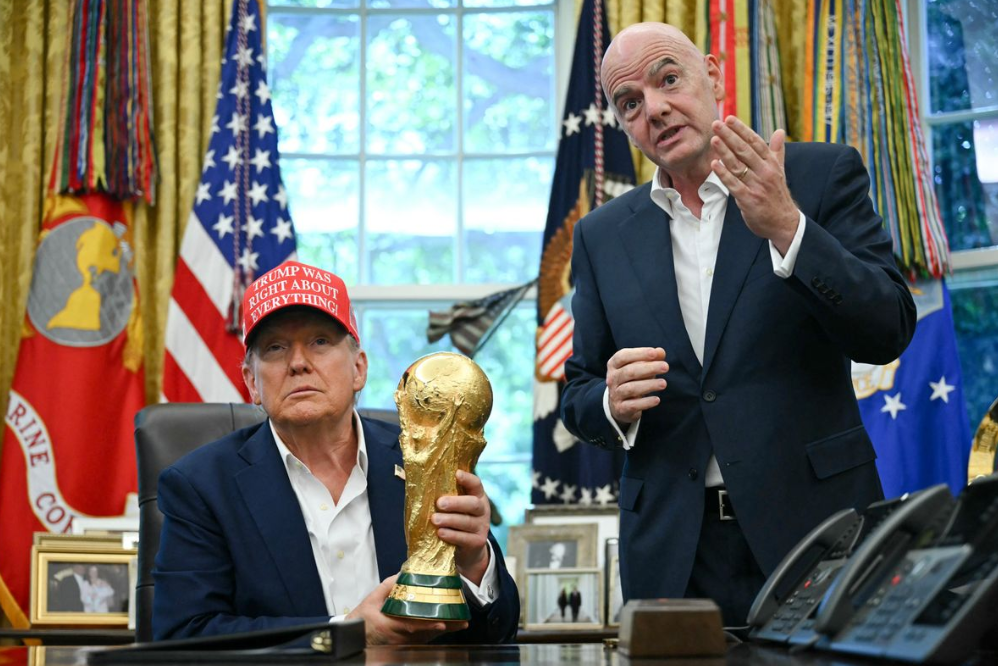
Donald Trump FIFA World Cup Warning has triggered intense debate across global football and political circles, as fresh concerns emerge over whether former U.S. President Donald Trump could create complications for FIFA ahead of the 2026 FIFA World Cup, which the United States is set to co-host with Canada and Mexico. The controversy centers on fears that political interference, visa policies, or security-related decisions could violate FIFA’s strict neutrality rules. Who is involved? Donald Trump and FIFA. What is happening? FIFA is being urged to consider safeguards if political influence threatens football governance. Why does it matter? Because FIFA tournaments depend on political neutrality. The impact could affect the World Cup’s location, planning, and global reputation—right now, when preparations are accelerating.
Growing Concerns Around FIFA’s Political Neutrality
FIFA operates under a foundational principle: football must remain free from political interference. Former officials have recently warned that any political pressure—direct or indirect—could place FIFA in a difficult position. The concern is not hypothetical. Past tournaments have shown that visa bans, diplomatic disputes, or public political statements can disrupt international sporting events.
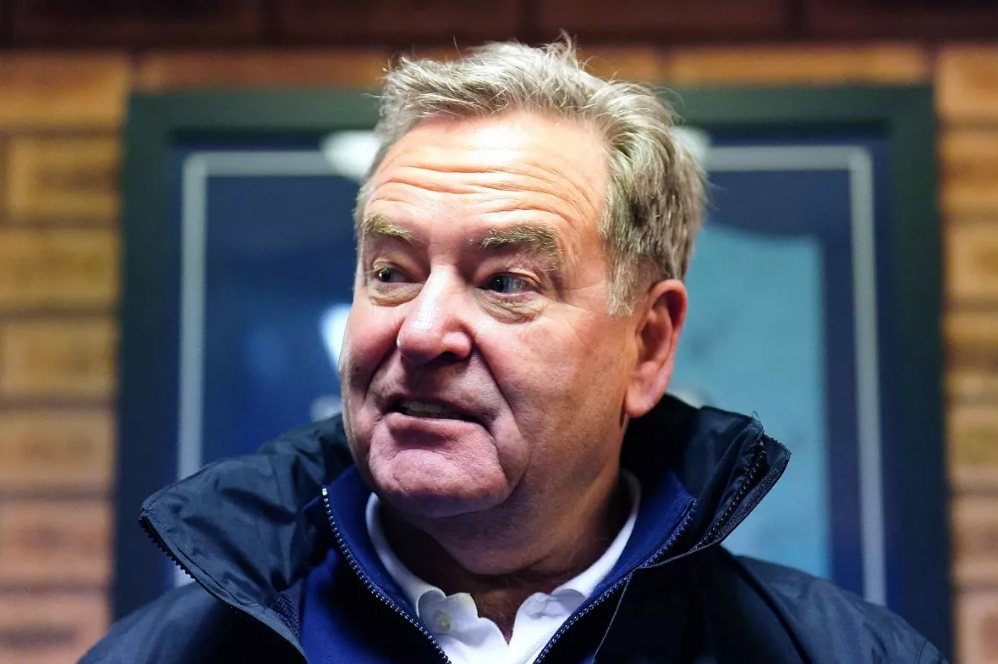
In the current situation, experts point to the possibility that renewed political influence from Donald Trump could conflict with FIFA’s governance rules. If political leaders are seen as influencing tournament access, travel permissions, or messaging, FIFA could face pressure from member associations to respond decisively to protect its credibility.
Why Donald Trump’s Role Is Being Discussed Now
Donald Trump remains one of the most influential political figures in the United States. As discussions around future leadership and policy direction intensify, football administrators are watching closely. The United States is a central host nation for the 2026 World Cup, making domestic political stability and neutrality especially important.
Why this matters now is simple: tournament planning is entering a critical phase. Stadium logistics, international travel coordination, and security agreements are being finalized. Any uncertainty around government cooperation—especially involving immigration or diplomatic relations—could raise red flags within FIFA’s executive committees and among participating nations.
FIFA Rules and the Risk of Hosting Complications
FIFA statutes allow the organization to relocate or sanction tournaments if host nations fail to meet governance or neutrality standards. While stripping hosting rights is rare, it is not impossible. FIFA has previously emphasized that political interference undermines fair competition and global inclusion.
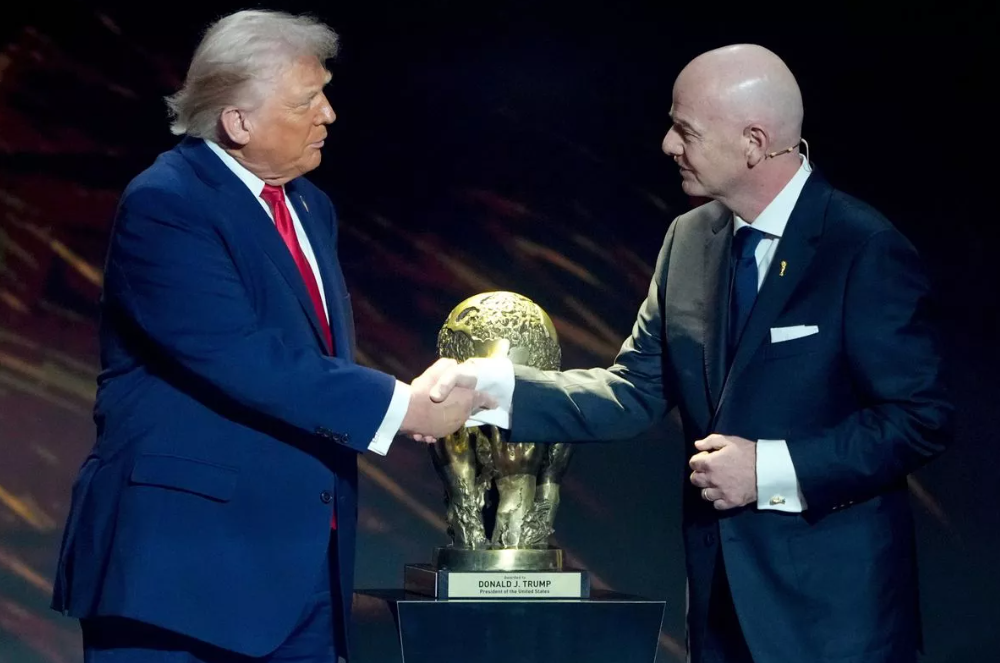
It comes following a slew of people calling for the competition to be made more affordable, following outrage at the cost of tickets
In this case, football governance experts stress that FIFA does not target individuals but evaluates systemic risks. Even the perception of political leverage can damage trust. That is why calls for proactive measures are growing, urging FIFA to secure written guarantees and operational independence well ahead of the tournament.
International Reaction From Football Bodies and Fans
Global football bodies, including regional confederations and national associations, are closely monitoring the situation. Some officials have publicly stated that the World Cup must remain accessible to all qualified teams, players, and supporters regardless of nationality or political background.
Fans are also paying attention. Social media discussions reflect concern that politics could overshadow sport, something FIFA has repeatedly promised to avoid. For supporters worldwide, the World Cup represents unity, and any hint of exclusion or political messaging risks undermining that spirit.
Impact on the 2026 World Cup and U.S. Sports Reputation
The potential impact extends beyond FIFA. The United States has invested heavily in positioning itself as a premier global sports host. Successfully delivering the 2026 World Cup would reinforce that reputation. Conversely, controversy could affect sponsorships, tourism, and international goodwill.
From FIFA’s perspective, ensuring a smooth tournament is paramount. That means a clear separation between football operations and political agendas. FIFA will likely intensify oversight rather than take drastic action, but the warning signals underline how seriously neutrality is taken.
What Happens Next and Why This Story Matters
Looking ahead, FIFA is expected to continue engaging with U.S. authorities to ensure compliance with hosting requirements. Transparency, guarantees of access, and respect for international sporting norms will be key. No final decisions have been announced, but the conversation itself sends a message: football governance is watching closely.
Subscribe to trusted news sites like USnewsSphere.com for continuous updates.