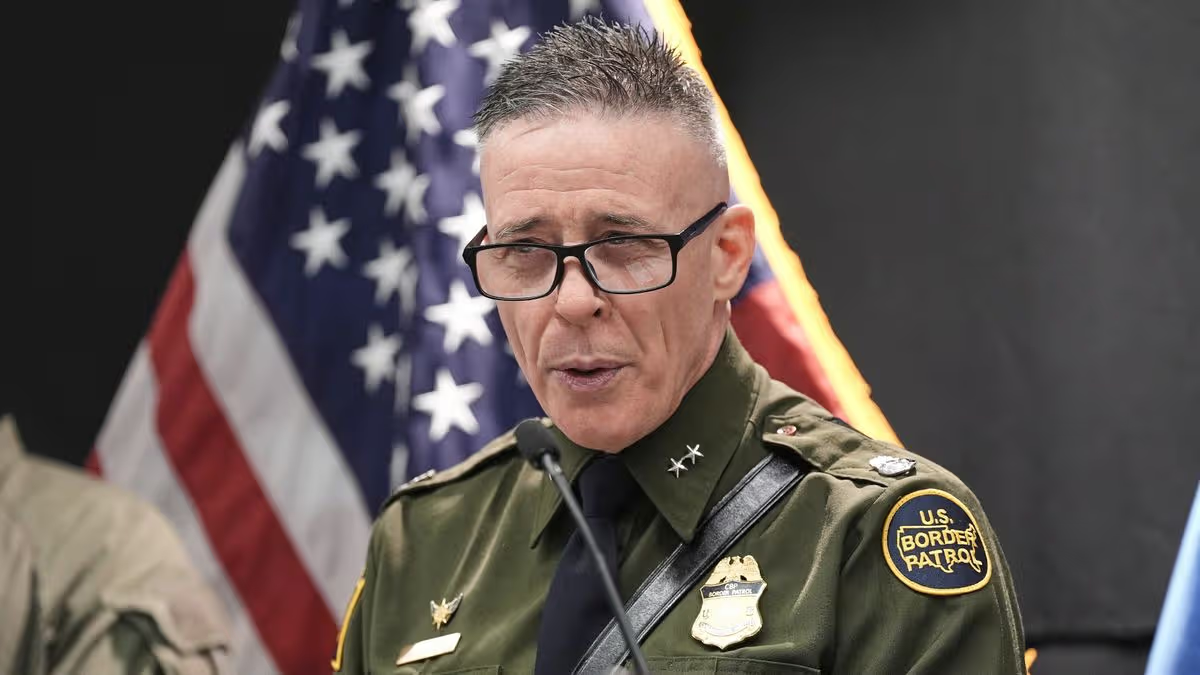
In a significant and unfolding federal political development, the Department of Homeland Security (DHS) has suspended senior Border Patrol commander Gregory Bovino’s access to his official social media accounts, a move that has ignited fresh debate over U.S. immigration enforcement policies after a controversial fatal shooting in Minneapolis. This action comes amidst intense scrutiny of how federal agents handle public communication and operational oversight — and matters now because it could signal shifts in how the DHS manages high-profile figures tied to aggressive immigration policies and public messaging. Critics argue social media was used to inflame tensions following the fatal shooting of 37-year-old Alex Pretti, while defenders warn the move may be political damage control rather than accountability.
What Is Happening With DHS and Greg Bovino
The DHS decision immediately cut off Bovino’s access to official social media accounts he used to communicate about federal immigration operations and to defend controversial statements he made following the Preston shooting incident. Federal sources have confirmed that this restriction is effective immediately, though the broader implications for his role within the agency remain partly unsettled. Initial reports connected the suspension of platform access to public backlash over how he characterized the fatal encounter, but DHS officials have clarified that, as of now, Bovino has not been formally removed from his duties.
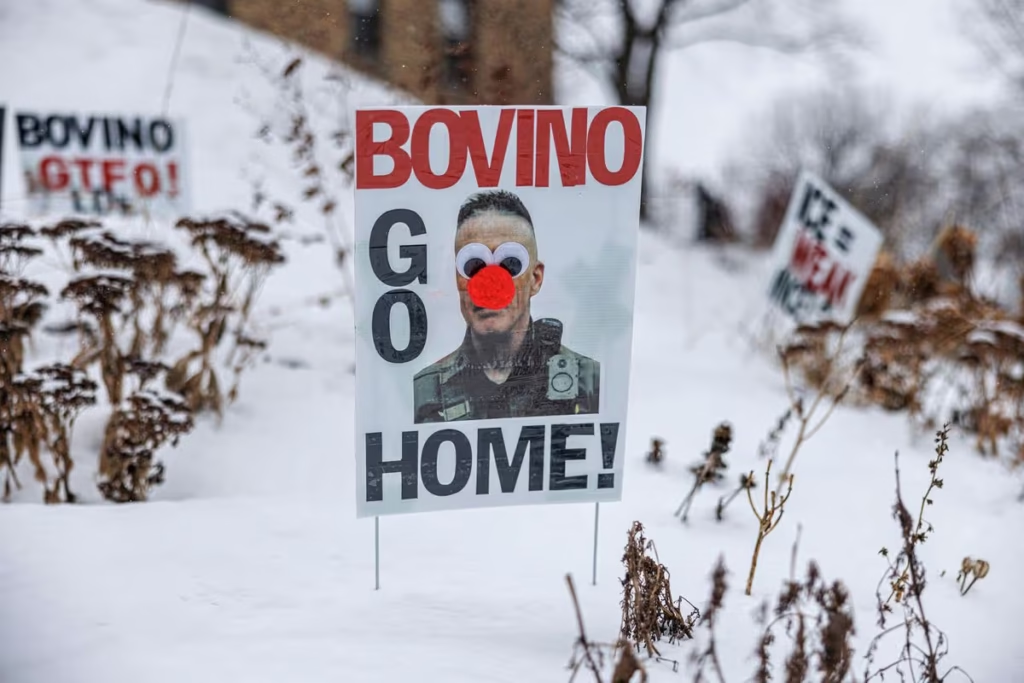
Public reaction has been swift, fueled by narratives on social platforms and national news outlets. Some see the suspension as overdue restraint on a figure seen as embodying an uncompromising approach; others view it as a superficial gesture intended to calm criticism without meaningful changes to enforcement practices.
Why This Matters Now: The Broader Context of Border Enforcement
The suspension comes at a moment when national attention is intensely focused on immigration enforcement strategy, federal responses to civil unrest, and accountability for deadly encounters involving federal agents. The fatal shooting of Minneapolis resident Alex Pretti has been a catalyst for public protest, political contention, and unprecedented criticism of DHS tactics — including claims by officials like Bovino that have been widely disputed.
Why this matters now is not just because social media access was cut — but because of what it suggests about the Department’s response to public pressure and its willingness to rein in top figures who become lightning rods for controversy. This development also highlights how public communications by federal officials can now directly influence operational credibility and political fallout.
How This Affects Border Patrol Leadership in Minneapolis
Sources confirm that Bovino and some agents are expected to leave the Minneapolis area soon, after weeks of heightened tensions and public demonstrations sparked by federal immigration enforcement activity. Local and federal leaders, including the governor and city officials, have cited the need to de-escalate operations and restore community trust.

Although DHS spokespeople have denied that Bovino is being relieved of his duties entirely, the shift in leadership roles — coupled with the social media suspension — underscores the pressure from both political opponents and civil rights advocates demanding change. Critics maintain that unless leadership and policy both adapt, similar clashes and controversies will continue to erupt across other cities.
Political Impact: Messaging, Accountability, and Public Trust
The action against Bovino also underscores a deeper political struggle over messaging and accountability in immigration enforcement. Federal officials, including Homeland Security aides, have walked a fine line between defending policy actions and defusing criticism — especially in the age of social media, where official statements can spread rapidly and shape national narratives.
For the Biden and Trump administrations alike, public confidence in federal law enforcement operations is politically crucial. How DHS handles this suspension and its aftermath could influence future legislative debates, media coverage, and voter perceptions ahead of critical election cycles. Observers suggest that public trust in the federal response to civil unrest and immigration policy could hinge on how transparent and accountable the DHS appears to be in situations like this one.
What Comes Next: Potential Outcomes and Public Reaction
Looking forward, several possibilities remain on the table: DHS may reinstate tighter controls on communications by senior officials; Congress could hold hearings to examine the role of Border Patrol leadership in public messaging; and communities affected by aggressive federal enforcement efforts may escalate demonstrations or legal actions.
Public reactions continue to flood social platforms, with local voices and national commentators debating whether this suspension signifies genuine change or a tactical response to media pressure. Regardless, this episode will likely be referenced in future discussions about federal oversight, civil rights, and border security messaging strategies.
The Wider Immigration Debate & National Conversations
Finally, this development feeds into the broader national debate on immigration enforcement and federal accountability — a debate that involves not just administrators like Bovino but elected officials, civil liberties groups, and American citizens. It highlights deep divisions over how government agencies communicate with the public and how leadership should respond to controversy.
In a political climate where public trust and federal transparency are under scrutiny, actions like the suspension of social media access for senior officers are more than symbolic — they are part of a larger, ongoing conversation about how the federal government manages enforcement policy, protects civil liberties, and maintains healthy public discourse.
Subscribe to trusted news sites like USnewsSphere.com for continuous updates.