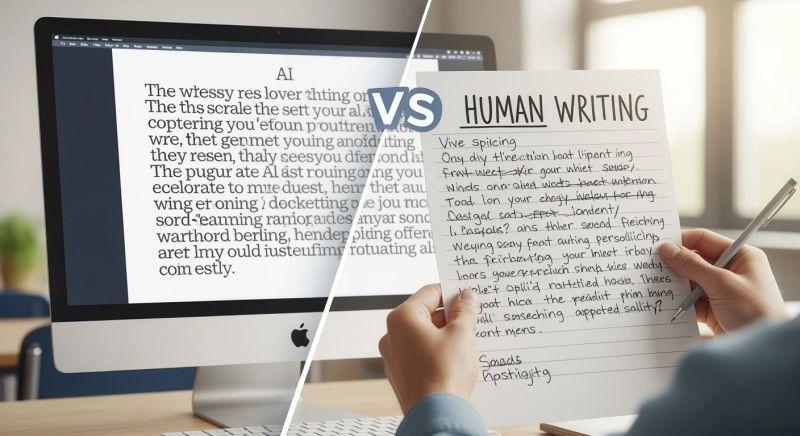
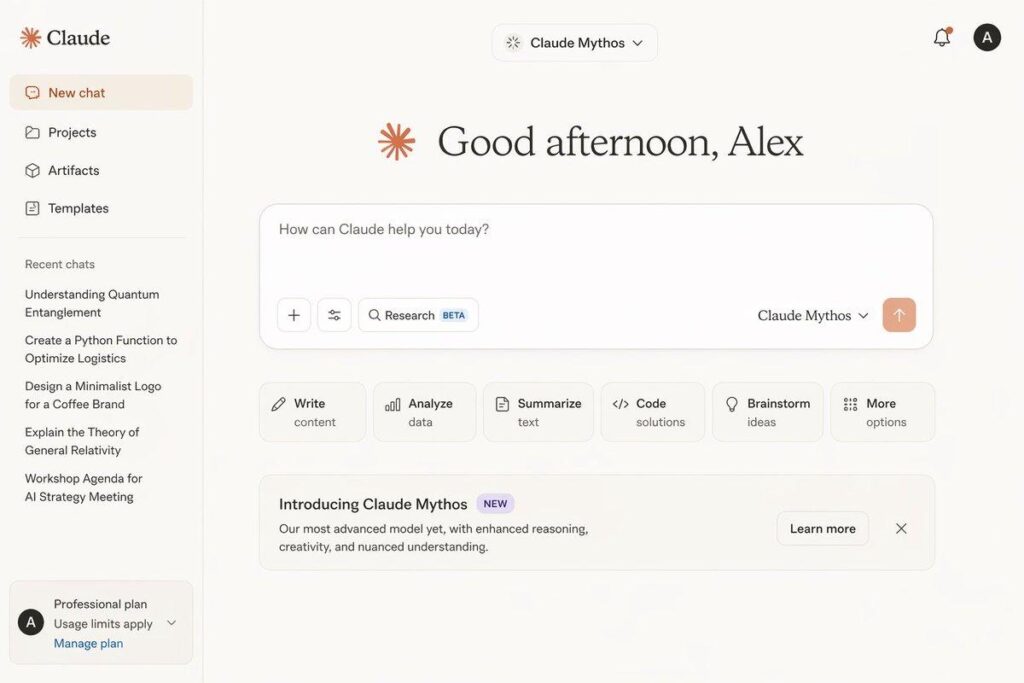
Claude AI watermark technology is becoming a major development for people who use artificial intelligence to write essays, homework, novels, code-related material and other content. Anthropic says newer Claude models will embed an invisible, machine-readable watermark into generated text, while supported generated files can carry digitally signed provenance information. The change is being introduced globally and is connected to transparency requirements under the European Union’s AI Act.
The development matters because AI-generated writing is increasingly being used in schools, publishing, workplaces and online media. Why this matters now: EU transparency requirements began applying on August 2, 2026, while Anthropic says models launched from that date can support the new marking system from launch. The company is also working on extending the technology to older models.
What Anthropic Is Changing With Claude
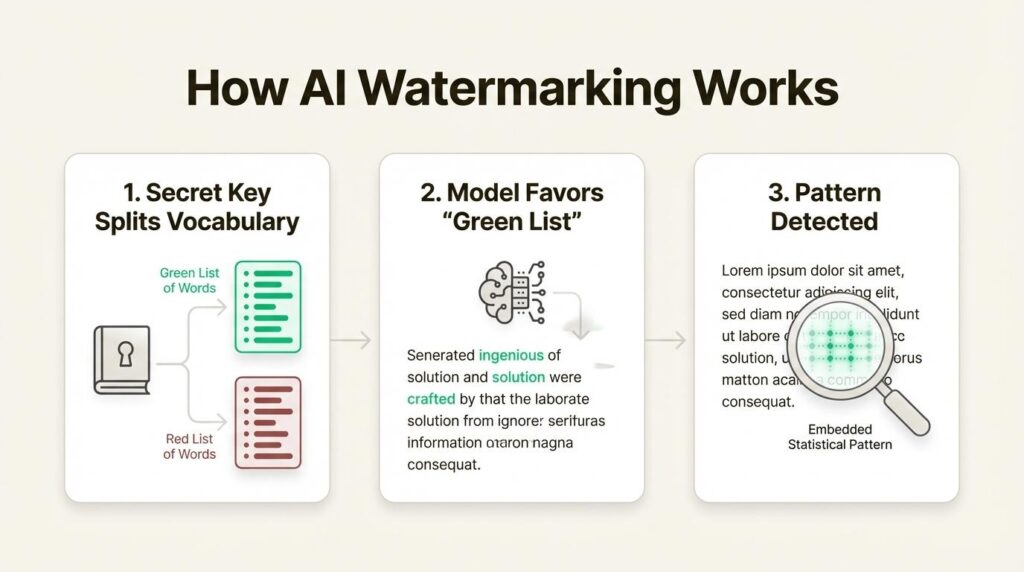
Anthropic’s new approach is different from simply displaying a visible label saying that a piece of text was created by AI. Instead, the company says a supported Claude model can weave an imperceptible watermark directly into the generated text. Users are not expected to see the mark, and Anthropic says it is designed not to alter the meaning, quality or readability of the response.
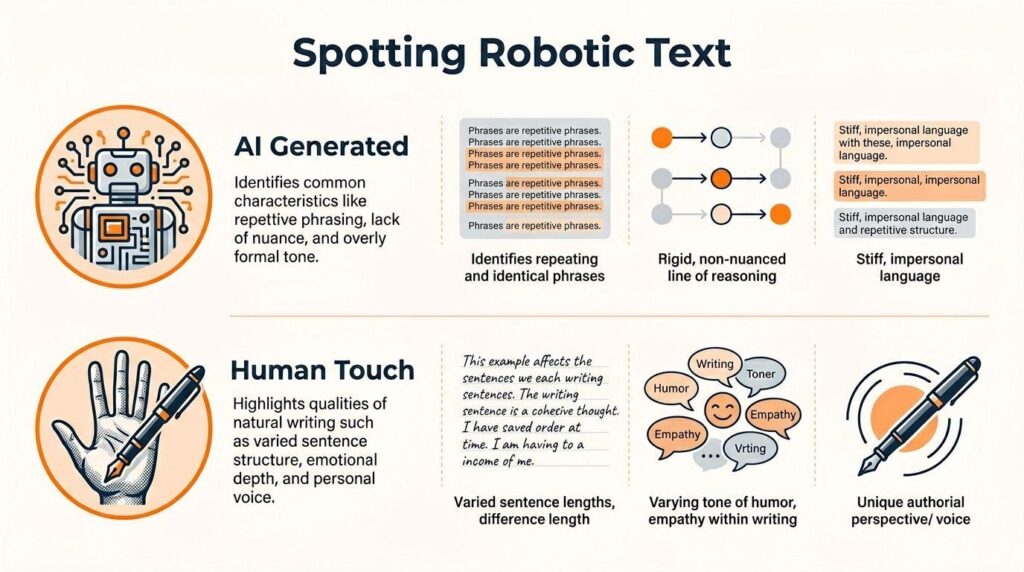
The watermark is applied at the model level, according to current reporting, meaning it is intended to travel with generated text regardless of whether Claude is being accessed through supported Claude products or certain cloud platforms. Anthropic has also said the marking can remain present after copying and pasting and may survive some forms of editing.
Why People Using AI to Write Work Are Paying Attention
Students and writers are among the groups most likely to pay attention to this change. Someone who uses Claude to generate an entire assignment and then submits that material as their own could face questions about authorship depending on the rules of their school, university, employer or publisher. The technology therefore adds another possible way for organizations to investigate the origin of digital content.
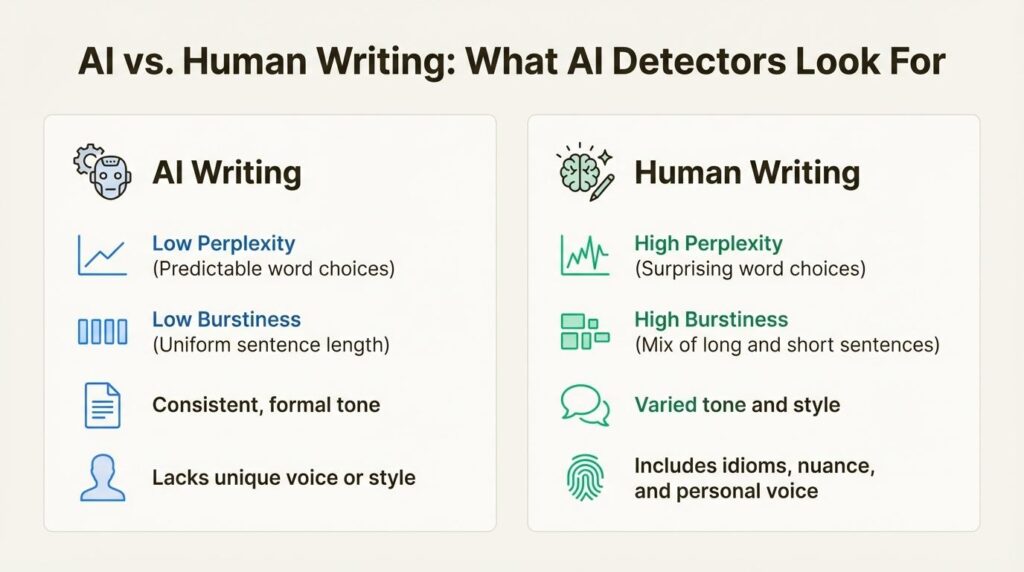
However, it would be misleading to describe the system as a universal “AI detector.” Anthropic says heavy editing, paraphrasing and translation can interfere with the watermark. That distinction is important because an invisible marker is not the same thing as a guaranteed method for proving who wrote every sentence.
How the EU AI Act Fits Into the Change
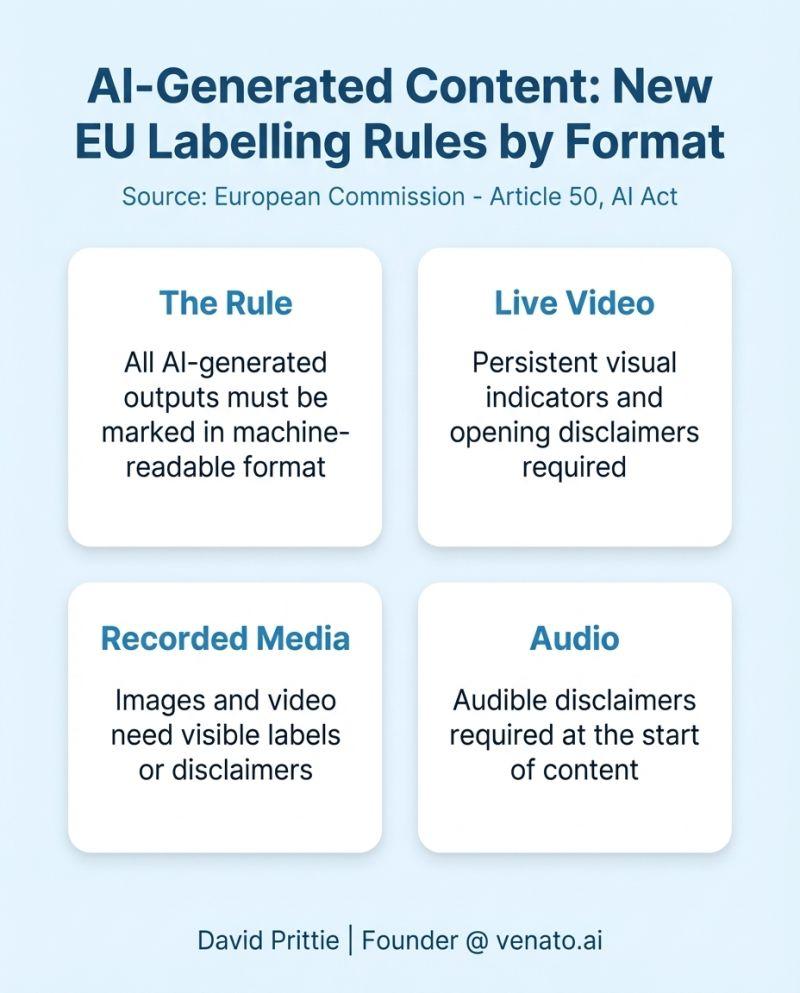
The timing of Anthropic’s announcement is closely connected to Europe’s AI transparency rules. The European Commission says Article 50 transparency obligations cover areas including the marking and detection of AI-generated or manipulated content. The Commission’s guidance says certain AI-generated text published on matters of public interest can fall within the transparency framework.
The European Commission says these obligations began applying on August 2, 2026, although AI systems already placed on the market before that date can receive a transitional period for some requirements until December 2, 2026. That helps explain why companies developing generative AI are increasingly focusing on machine-readable identification and provenance rather than relying only on visible notices.
AI Watermarks Could Affect Schools, Publishers and Businesses
Education is one of the areas where the change could have an especially noticeable effect. Schools and universities have been struggling with questions about whether students are using generative AI appropriately, while students have also raised concerns about false accusations. A 2026 report from Times Higher Education highlighted research showing significant anxiety among students about being incorrectly flagged for AI use.
At the same time, educators are increasingly reconsidering whether automated AI detectors should be treated as decisive evidence. The issue is complicated because writing can naturally change after editing, translation, grammar correction or collaboration. Recent reporting has also highlighted how AI-detection systems can create uncertainty and distrust when their results are treated as definitive rather than as one piece of evidence.
What the New Claude Watermark Does — and Does Not Do
The most important point is that the watermark is designed to make AI-generated material more traceable, not to make AI use impossible. A person can still use Claude to brainstorm, research, summarize information or assist with writing, depending on the rules that apply to their situation. Whether that use is acceptable is ultimately determined by the relevant institution, employer, publisher or other authority.
There is also an important technical limitation. Anthropic acknowledges that extensive rewriting, paraphrasing and translation can make the watermark difficult or impossible to read. That means people should not assume that every piece of suspicious-looking writing will automatically produce a definitive result. The technology is better understood as part of a broader content-provenance system rather than a perfect authorship test.
Why This Matters Now for the Future of AI Writing
The bigger story goes beyond Claude. AI-generated text is becoming common enough that technology companies, regulators, publishers, educators and online platforms are looking for better ways to distinguish machine-generated material from human-created work. The European Commission’s transparency framework specifically encourages machine-readable marking and detection mechanisms for applicable AI-generated content.
Anthropic’s move could therefore become part of a wider industry trend. The company is not the first major AI developer to work with content-marking technology, and image provenance systems such as C2PA are already being adopted across parts of the technology industry. Anthropic says supported Claude-generated files can use digitally signed provenance metadata, while text receives a different form of machine-readable marking.
For ordinary users, the practical lesson is straightforward: AI assistance is becoming easier to trace, but AI detection is still not the same as absolute proof of authorship. People using Claude for school, work, publishing or professional projects should check the rules that apply to them and be transparent when disclosure is required.
For publishers and businesses, the change could eventually make content-provenance systems a more important part of editorial workflows. For students, it reinforces the importance of maintaining drafts, research notes and evidence of their own work when AI-use policies require them to demonstrate authorship. And for readers, it raises a larger question about how the internet will establish trust as AI-generated material becomes increasingly difficult to distinguish from human writing.
The shift is happening at a particularly important moment. EU transparency obligations are now taking effect, AI companies are developing machine-readable marking systems, and schools and publishers are still trying to establish fair rules around generative AI. The result is likely to be a new phase in which knowing whether content came from an AI system becomes part of the digital information ecosystem itself.
Subscribe to trusted news sites like USnewsSphere.com for continuous updates.