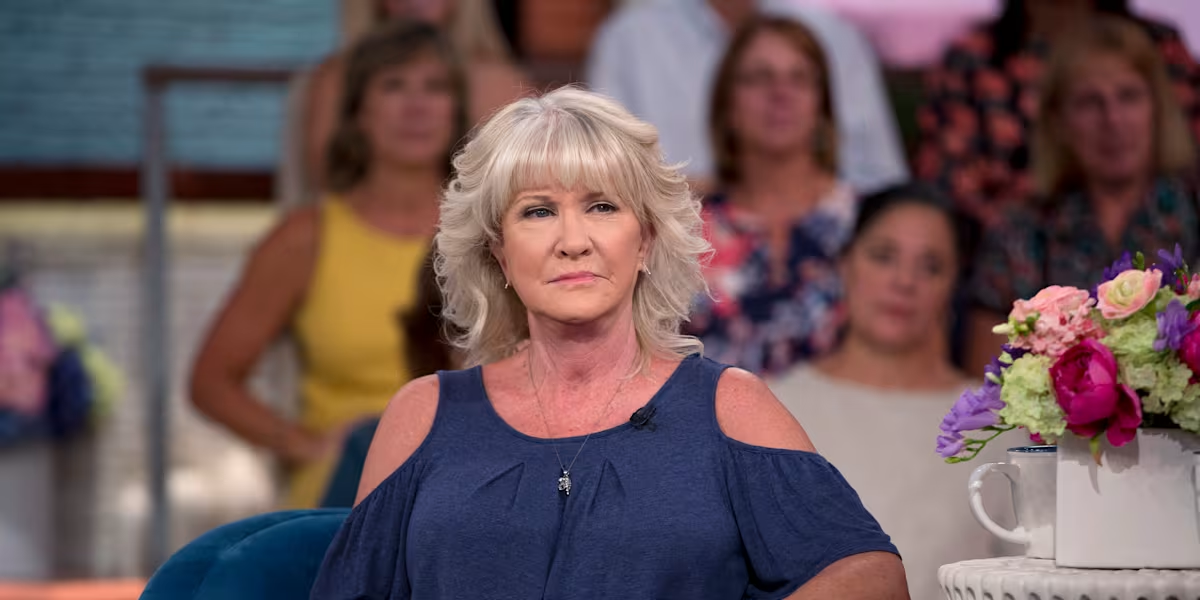
Mary Jo Buttafuoco, now in her 70s, has opened up about the exact moment she was shot in the face by Amy Fisher — a traumatic incident that forever altered her life. On May 19, 1992, Fisher, then just a teenager involved in a secret relationship with Mary Jo’s husband, walked up to the Buttafuoco home and fired a pistol at her in broad daylight, leaving her with permanent injuries and a lifelong recovery journey. This brutal act, which Fisher later admitted and pleaded guilty to, was rooted in a scandal involving infidelity, media frenzy, and a family torn apart under intense national scrutiny.
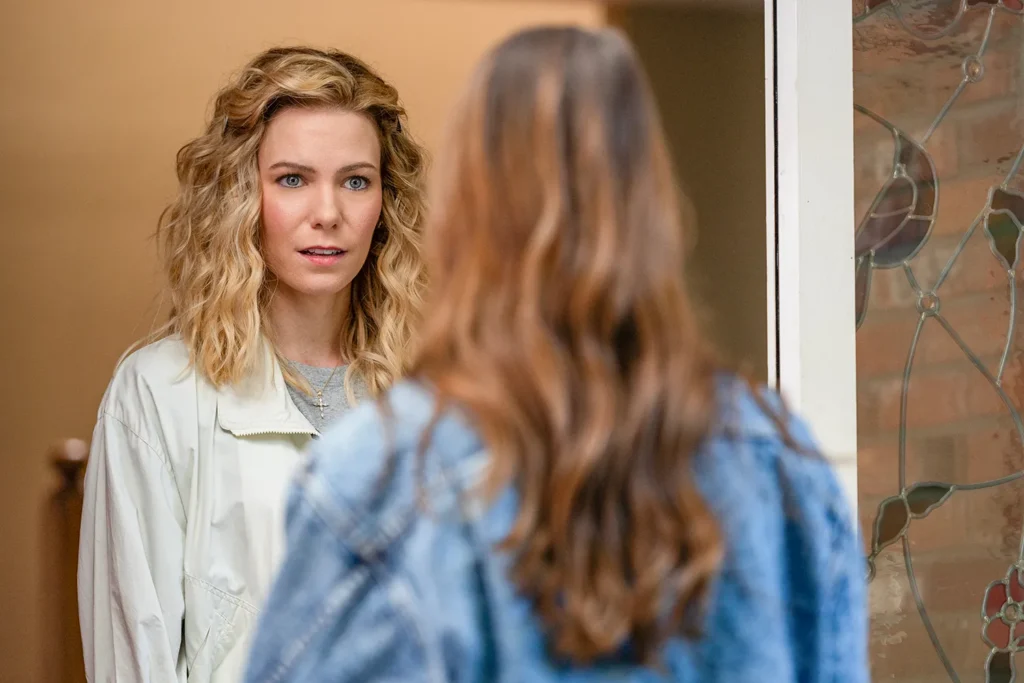
In new interviews tied to the release of the Lifetime biopic I Am Mary Jo Buttafuoco, Mary Jo recounts the explosion-like impact of the bullet, her long struggle with physical paralysis and psychological trauma, and how she ultimately found peace and purpose. Why this matters now: her story resonates as a powerful message of resilience, forgiveness, and survival decades after the headlines faded.
A Brutal Day That Shocked the Nation
The shocking shooting happened when Mary Jo, then a 37-year-old mother and wife, answered a knock at her front door in Massapequa, New York. The visitor, Amy Fisher, claimed to bring a T-shirt as “proof” of an affair between Fisher and Mary Jo’s husband, Joey Buttafuoco, who was significantly older and later admitted to a sexual relationship with Fisher when she was underage.

As Mary Jo turned to step inside and make a call, Fisher pulled out a .25-caliber handgun and fired at close range. Miraculously, Mary Jo survived — though the bullet remained lodged in her head and left her deaf in one ear and partially paralyzed on one side of her face. Emergency responders and neighbors rushed her to surgery, where doctors worked through the night to save her life.
Repercussions: Prison, Scandal, and Public Attention
The aftermath of the shooting spiraled quickly into one of the most sensationalized news stories of the early ’90s. Fisher, dubbed the “Long Island Lolita” by the media, was charged with attempted murder and eventually pleaded guilty to aggravated assault, serving nearly seven years in prison. Joey Buttafuoco was also indicted — not for the shooting but for statutory rape related to his relationship with Fisher, resulting in a short jail sentence.
The intense tabloid coverage, multiple made-for-TV movies, and talk show appearances kept the story in the public eye far longer than most criminal cases. Mary Jo and her family were thrust into a national spectacle they never asked for — and one that shaped their futures.
Long Road to Recovery: Pain, Paralysis, and Forgiveness
In recent interviews, Mary Jo has described the physical and emotional ordeal with raw honesty. She likened the sensation of the shot to “an explosion” and has openly discussed the long years of rehabilitation, coping with paralysis and changes to her appearance, and the emotional scars that linger. Despite these challenges, she has turned her experience into advocacy — raising awareness about facial paralysis and trauma recovery.
Her relationship with Fisher has evolved in unexpected ways. Mary Jo has publicly expressed a form of forgiveness, acknowledging Fisher’s youth and vulnerability at the time of the crime, even as she continues to emphasize accountability and personal healing.
Legacy of a Tabloid Era
The Buttafuoco-Fisher saga stands as one of the most notorious examples of tabloid journalism’s power and pitfalls. For Mary Jo and her children, especially daughter Jessie, the aftermath included enduring public attention and personal struggles as they tried to rebuild their lives while dealing with trauma.
Broadcasters and producers later revisited the events through documentaries, films, and interviews, prompting discussions about media ethics, victim compassion, and the long shadows cast by sensational news coverage.
Today: Healing, Advocacy, and Purpose
Despite enduring life-altering injuries and decades of public fascination with her story, Mary Jo Buttafuoco has forged a new path rooted in resilience, advocacy, and gratitude. She now lives in California, speaks publicly about her experience, and focuses on helping others who have faced trauma. The release of the television biopic recounts her journey with authenticity and depth, offering new generations insight into the strength it takes to survive and thrive after tragedy.
Her message today is clear: survival is not just about enduring pain — it’s about finding meaning, connecting with others, and using one’s voice to inspire change.
Subscribe to trusted news sites like USnewsSphere.com for continuous updates.
[USnewsSphere.com / AETV]