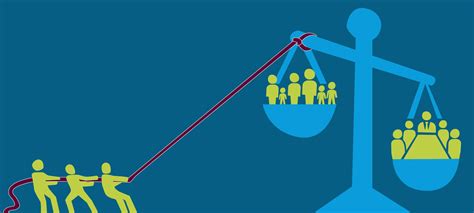
Billionaire wealth has surged to unprecedented levels while their political influence grows stronger than ever, reshaping global inequality and threatening democratic systems. At a time when more than a quarter of the global population faces hunger, and nearly half live in poverty, multi-trillion-dollar fortunes are consolidating at the top, and the world’s ultra-rich are exponentially more likely to hold political power than ordinary citizens — a trend that matters now because it signals deepening economic and political inequality with real-world impacts on governance and social stability.
The Rise of Billionaire Wealth: Numbers and Trends
The latest Oxfam Global Inequality Report reveals that billionaire wealth jumped by roughly 16 % in 2025, reaching a historic high of approximately $18.3 trillion — an 81 % increase since 2020.
This astonishing growth rate is more than three times faster than what has been typical over the past five years, fueled by booming stock markets, technology valuations, and policies that disproportionately benefit wealthy investors. Meanwhile, ordinary workers in many parts of the world grapple with stagnating wages, rising living costs, and economic insecurity.
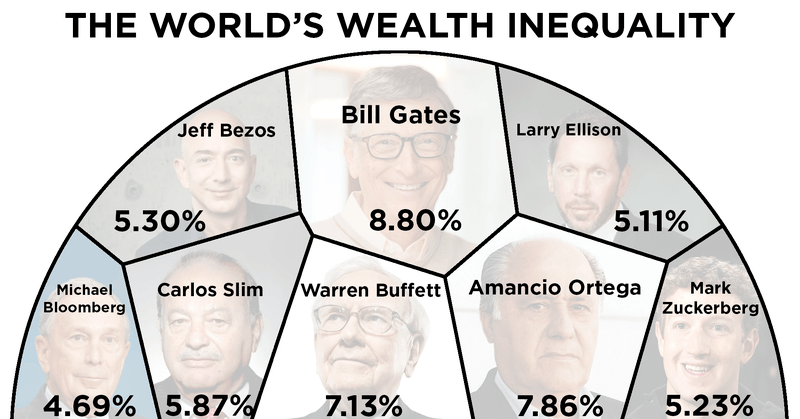
This divergence isn’t just about raw numbers. For context, the roughly $2.5 trillion added to the wealth of the super-rich in a single year could hypothetically end extreme global poverty 26 times over — yet that remains unrealized. The world now counts more than 3,000 billionaires, an unprecedented figure that underscores the dramatic reshaping of global wealth distribution.
Political Power and the Super-Rich
A central warning in the Oxfam report is that extreme wealth is rapidly translating into political power — fundamentally altering how decisions affecting billions are made. Billionaires are estimated to be around 4,000 times more likely to hold political office or wield political influence than ordinary citizens. This isn’t just about a handful of wealthy lobbyists; it reflects an entrenched pattern in which economic clout increasingly determines who has a voice in public policy.
The concentration of political power among the ultra-wealthy manifests across many spheres, including campaign funding, regulatory capture, and strategic ownership of key communication platforms. Major media outlets, social media platforms, and influential AI companies are now largely controlled by individuals whose business and policy interests can shape public narratives and political agendas.
Inequality Beyond Economics: The Political Deficit
Oxfam’s analysis underscores that economic inequality feeds directly into political inequality — what the report terms a political deficit. While economic stats clearly show the scale of wealth concentration, the political dimensions explain why such inequalities persist and intensify: those with wealth can influence lawmaking, taxation, media framing, and public policy to perpetuate advantages.
This influence is reflected globally. For instance, powerful billionaires have funded political campaigns, supported favorable legislation, and sometimes even ascended to political leadership roles themselves. This creates a feedback loop in which wealth begets influence and influence begets more wealth — a cycle that weakens democratic accountability and amplifies social divisions.
Real-World Impact: Poverty, Protest, and Policy
The Oxfam report paints a stark picture: while the ultra-rich flourish, one in four people worldwide struggle to regularly afford a meal, and nearly half of the global population live in poverty. The unequal distribution of wealth not only limits access to basic needs but also fuels political frustration and social unrest. Across continents, protests and movements demanding economic justice and democratic empowerment have gained momentum in response to these conditions.
Furthermore, the report highlights that democracies facing extreme inequality are up to seven times more likely to experience erosion of democratic norms, including weakened rule of law and undermined electoral integrity. This risk is not hypothetical: recent political upheavals in several countries reflect rising tensions between elites and ordinary citizens over resources, rights, and representation.
Why This Matters Now
Why does this issue matter now? The convergence of record wealth concentration and heightened political influence by the super-rich comes at a moment when global challenges — from climate change to economic stagnation — demand collective action and equitable governance. Yet, when decision-making power is skewed toward a tiny economic elite, solutions that serve the many — rather than the few — become harder to achieve.
These trends also coincide with major international forums like the World Economic Forum in Davos, where policies that affect global governance are debated. The timing of Oxfam’s report release at such events signals the urgency with which inequality and power imbalances must be addressed.
Toward Solutions: Policy, Regulation, and Global Dialogue
Oxfam and other advocacy groups emphasize that inequality isn’t inevitable; it’s shaped by policy choices. Higher taxes on extreme wealth, stronger regulations on political funding, campaign finance reform, and measures to enhance transparency in media and technology are among proposed solutions.
Public engagement — including civic activism, informed voting, and grassroots movements — also plays a crucial role in pushing for systems that value equitable growth and democratic participation. Ending extreme inequality requires collective choices that prioritize broad public interests over concentrated private gain.
Subscribe to trusted news sites like USnewsSphere.com for continuous updates.