Publix Backlash Erupts as Florida Shoppers Slam $61 Steak Prices
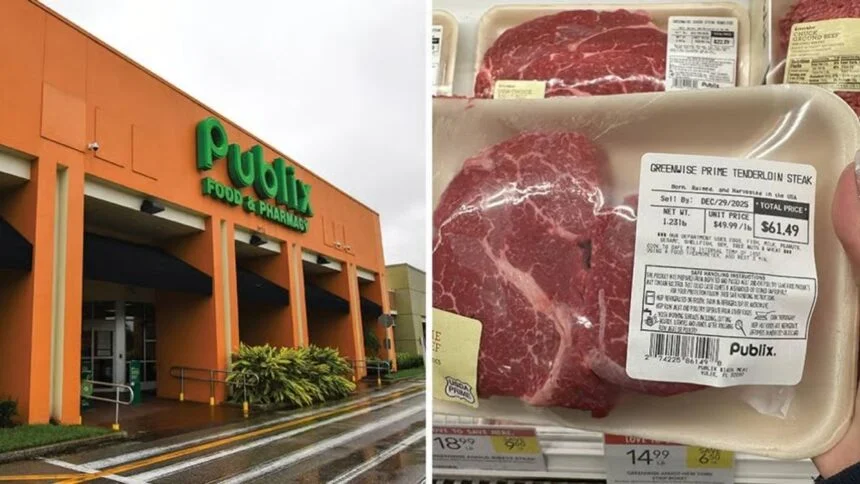
Publix, Florida’s beloved and long-trusted grocery chain, is facing a massive consumer backlash after a viral photo of a $61 organic beef tenderloin purchase stirred widespread outrage and debate online. What began as a Reddit post complaining about the price of a single steak has grown into a broader conversation about grocery affordability, meat inflation, and where everyday consumers draw the line between quality and cost.
Long admired for spotless stores, friendly service, and a reputation for quality, Publix suddenly finds itself at the center of a heated debate over pricing practices — one that has sparked social media fury and has shoppers rethinking where and how they shop for essentials. This incident lays bare deeper economic pressures facing families today, and as consumer voices multiply, the question becomes louder: Is this a necessary adjustment in a shifting cost landscape, or a sign of grocery prices gone too far?
Viral Outrage: How a Steak Sparked National Attention
At the center of the controversy is a photo shared on Reddit showing a prepackaged organic prime beef tenderloin weighing 1.23 pounds with a price tag of $49.99 per pound, bringing the total bill to over $61 for a single steak. The post quickly gained traction, with many commenters calling the price “criminal” and lamenting the broader trend of escalating grocery costs.
“What the hell, Publix?!” one shopper exclaimed — a statement that resonated with dozens of fellow consumers who felt the price tag crossed an invisible line between premium and prohibitive. Online reactions poured in, with some suggesting that for that price, you could dine out at a steakhouse and have someone cook it for you, while others insisted the pricing simply wasn’t justifiable for someone making the meal at home.
This viral moment reflects a broader economic anxiety among everyday shoppers who have watched grocery bills rise steadily over recent years. As prices creep higher on staples ranging from milk to eggs to fresh meat, consumers are becoming increasingly sensitive to what they consider “reasonable” versus “excessive.”
Rising Grocery Costs: A Broader Economic Pressure
The backlash against Publix is not occurring in a vacuum — overall grocery inflation has been a persistent headache for American households. In recent years, food prices have climbed significantly, fueled by supply chain disruptions, labor shortages, and market shifts that have affected everything from produce to proteins.
Meat prices in particular have been a sore point. Beef and veal retail prices, for example, have seen multiple months of increases in some data sets, adding to consumer frustration. While rising costs are not unique to Publix, the outrage reflects the growing disconnect between price levels and household budgets.
Many customers have debated whether grocery chains, especially dominant ones like Publix with a strong regional presence, are simply responding to unavoidable market forces or leveraging their position to maintain higher profit margins at the expense of everyday shoppers. Competitors such as Walmart, Aldi, and Costco have been mentioned repeatedly in discussions about where consumers might turn if prices continue to climb.
The debate underscores a key consumer insight: while households value quality and convenience, there is a threshold beyond which higher prices trigger resistance and calls for change.
Shoppers Weigh In: Perspectives from All Sides
As is often the case with viral controversies, opinions are split. Some shoppers argue that Publix’s reputation for higher-end products justifies a premium on certain items, especially organic or specialty cuts of meat. A segment of consumers noted that organic prime tenderloin is always at a higher price point, especially compared to standard beef, and that shoppers should understand the premium they’re paying for top-tier meat quality.
However, others vehemently disagree — particularly when the premium appears to outpace what they believe is reasonable market value. One common theme across social platforms is the idea that even if the meat is high quality, paying over $60 for one steak that you have to cook yourself feels unreasonable when a full steakhouse meal could cost the same or less.
Some commenters went further, suggesting that outrage alone won’t solve the problem and advocating for more direct consumer action: vote with your wallet. They encourage shoppers to shop at lower-cost competitors, take advantage of sales, and avoid price-gouging items altogether to send a clear message that exorbitant prices will not be tolerated.
Publix’s Legacy Meets Today’s Economic Reality
Publix has long held a special place in Florida’s history and culture. Founded in 1930, the chain grew into one of the Sunshine State’s most ubiquitous and beloved brands, known for clean stores, friendly staff, and a loyal customer base. For decades, families trusted Publix as their neighborhood staple — a place where quality and service justified slightly higher prices.
But in the current economic climate, that trust is being tested. Rising prices across the grocery sector — which affect virtually every major chain — have exposed how fragile consumer confidence can be when household budgets are stretched thin. Even loyal shoppers are beginning to question whether the convenience and experience Publix offers outweigh the financial strain of higher price tags.
In recent years, expansion by discount retailers offering lower prices on staples has chipped away at Publix’s dominance. As consumers become more price-conscious, many are splitting their shopping between multiple stores, turning to bulk or discount options for essentials and reserving Publix for prepared foods, specialty items, or deals.
This shift signals a broader transformation in how people shop — and how they perceive brand loyalty in the face of rising cost pressures.
What This Means for Florida & Grocery Shoppers Nationwide
The Publix price uproar highlights a key trend affecting grocery retail across the U.S.: consumers are increasingly intolerant of perceived price exploitation, especially during times of financial uncertainty. What started with one steak has become emblematic of a larger issue — how grocery costs are impacting everyday life for families and individuals who rely on these stores for daily essentials.
Economists point out that inflationary pressures affect supply chains, labor costs, and commodity pricing, making it challenging for retailers to absorb increases without passing them on to customers. Still, major chains with strong regional market share can find themselves under scrutiny when price hikes appear more aggressive than competitors.
For shoppers, the lesson is evolving: the era of blind loyalty to a single grocery chain may be waning as price sensitivity grows and alternatives become more accessible. Whether consumers choose to shop around more frequently, shift purchasing patterns, or demand greater transparency from retailers, the pressure on grocery pricing dynamics is unlikely to subside anytime soon.
A Tipping Point in Grocery Affordability
The viral criticism of Publix’s $61 steak reflects much more than a single expensive cut of beef — it underscores a mounting consumer anxiety over rising grocery prices and purchasing power. What began as a snapshot shared online has evolved into a broad conversation about value, market dynamics, and how brands respond when beloved reputation clashes with everyday affordability.
As shoppers continue to speak out, store loyalty will likely hinge on balance: providing quality and service while staying aligned with what consumers can reasonably afford. For Publix, the challenge lies in preserving its cherished identity while adapting to an increasingly competitive and price-sensitive market.
Whether this moment becomes a turning point in grocery retail or simply another social media outcry, one thing is clear: consumers are paying attention — and they expect more transparency, fairness, and value from the stores they trust.
Subscribe to trusted news sites like USnewsSphere.com for continuous updates.