In recent months, the question “are seed oils bad for you?” has exploded online, with some influencers claiming they cause inflammation and chronic disease while scientists say the evidence doesn’t support these fears. This matters now because dietary debates are shaping what millions of people cook and eat every day, and understanding the real science helps cut through misinformation. Seed oils have essential nutrients, and scientific research shows they’re not inherently harmful when consumed in moderation, nor proven to cause major illness, even as online trends suggest otherwise.
What Seed Oils Are and Why They’re in the Spotlight
Seed oils—like canola, sunflower, soy, and corn oil—are vegetable fats extracted from the seeds of plants and widely used for cooking, baking, and in processed foods. They contain polyunsaturated fats, including omega-6 fatty acids, which the body needs but cannot produce on its own.
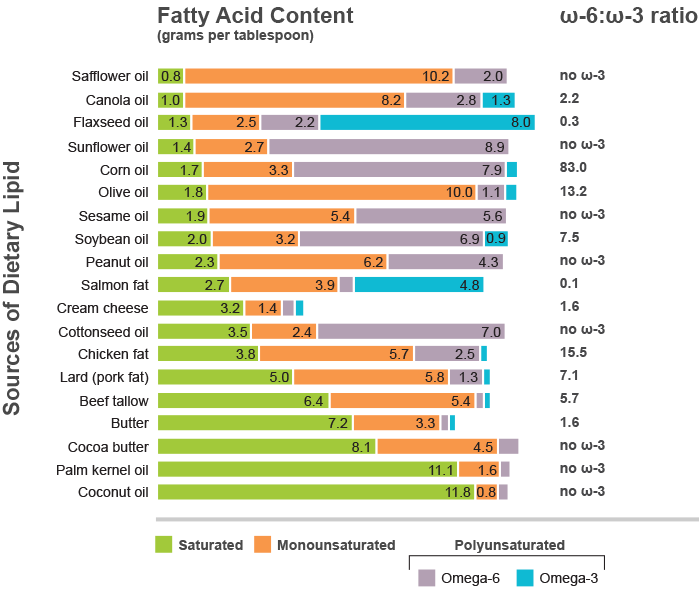
Online claims often hinge on the idea that high omega-6 ratios cause inflammation, leading to heart disease, cancer, or diabetes. But nutrition experts call this oversimplified. Current research does not show that consuming seed oils in typical diets increases inflammation or chronic disease risk. Some studies even link higher intake with favorable markers of heart and metabolic health.
Despite these findings, high-profile figures and social media amplify fears, in part because seed oils are common in ultra-processed foods—foods themselves linked to poor outcomes due to calories, salt, and sugar.
Science vs. Fear: What Researchers Are Finding
Many scientists emphasize that there’s no strong evidence that seed oils are toxic to humans. A wide review of medical literature concludes that seed oils’ polyunsaturated fats are associated with a lower risk of cardiovascular disease, heart attack, stroke, and type 2 diabetes rather than raising risk.
Similarly, a range of health organizations, including the World Cancer Research Fund, have not found evidence that eating seed or vegetable oils in moderation increases cancer risk. Fats in these oils also help the body absorb essential vitamins like A, D, E, and K.
Experts also point out problematic interpretations online: seeing seed oils become more common around the same time chronic disease rose does not prove causation. Factors like obesity, calorie-dense diets, and sedentary lifestyles play more substantial roles in public health trends.
Nutritional Benefits of Seed Oils Explained
Seed oils are generally low in saturated fat and rich in unsaturated fats, a type that has been shown to help lower LDL (“bad”) cholesterol levels—an important factor in heart health. The American Heart Association supports including polyunsaturated fats in a balanced diet and does not recommend avoiding seed oils entirely.
They also often contain vitamin E, an antioxidant linked to protecting cells from oxidative stress. These nutrients contribute positively when seed oils replace saturated fats like butter or lard in cooking.
However, how oils are used matters. Reusing oils for deep frying, overheating them, or combining them with unhealthy foods can reduce nutritional value and create harmful compounds. That’s a cooking practice issue rather than a fundamental flaw in the oils themselves.
Why Some Claims Persist: Misinformation and Misinterpretation
A big driver of confusion is how discussions about seed oils have spread. Online misinformation trends often exaggerate or misinterpret scientific findings, falsely linking seed oils to broad health problems. Some critics also conflate seed oils with ingredients in ultra-processed foods, giving the impression that any rise in disease must be due to these oils alone.
Some high-profile personalities have also amplified unproven claims, which spreads fear faster than scientific nuance. Public health experts say the popularity of these narratives reflects broader distrust in nutrition science and the influence of social media, not solid evidence.
Balanced Perspectives: Heart Health and Dietary Patterns
The overall scientific consensus suggests that seed oils are not an inherent health risk and may even support heart health when consumed as part of a balanced diet. Dietitians generally encourage people to focus on dietary patterns rather than demonizing a single ingredient. That means eating a variety of whole foods—vegetables, fruits, lean proteins, whole grains—and using fats like seed oils in context instead of focusing on fear-driven narratives.
Experts stress moderation: no oil or fat should dominate a diet, and balancing calorie intake with physical activity is crucial for metabolic and cardiovascular health.
How to Use Seed Oils Wisely in Everyday Cooking
If you’re concerned about your health and seed oil intake, practical steps can help you make informed choices without falling for online hype:
• Choose oils appropriate for the cooking method (e.g., higher smoke point for frying).
• Store oils properly in cool, dark places to minimize oxidation.
• Limit reuse of oils to avoid breakdown products.
• Focus on overall dietary quality—whole foods over processed ones.
These approaches align with long-standing nutrition guidance and help ensure seed oils contribute positively rather than be unfairly singled out as unhealthy.
Subscribe to trusted news sites like USnewsSphere.com for continuous updates.