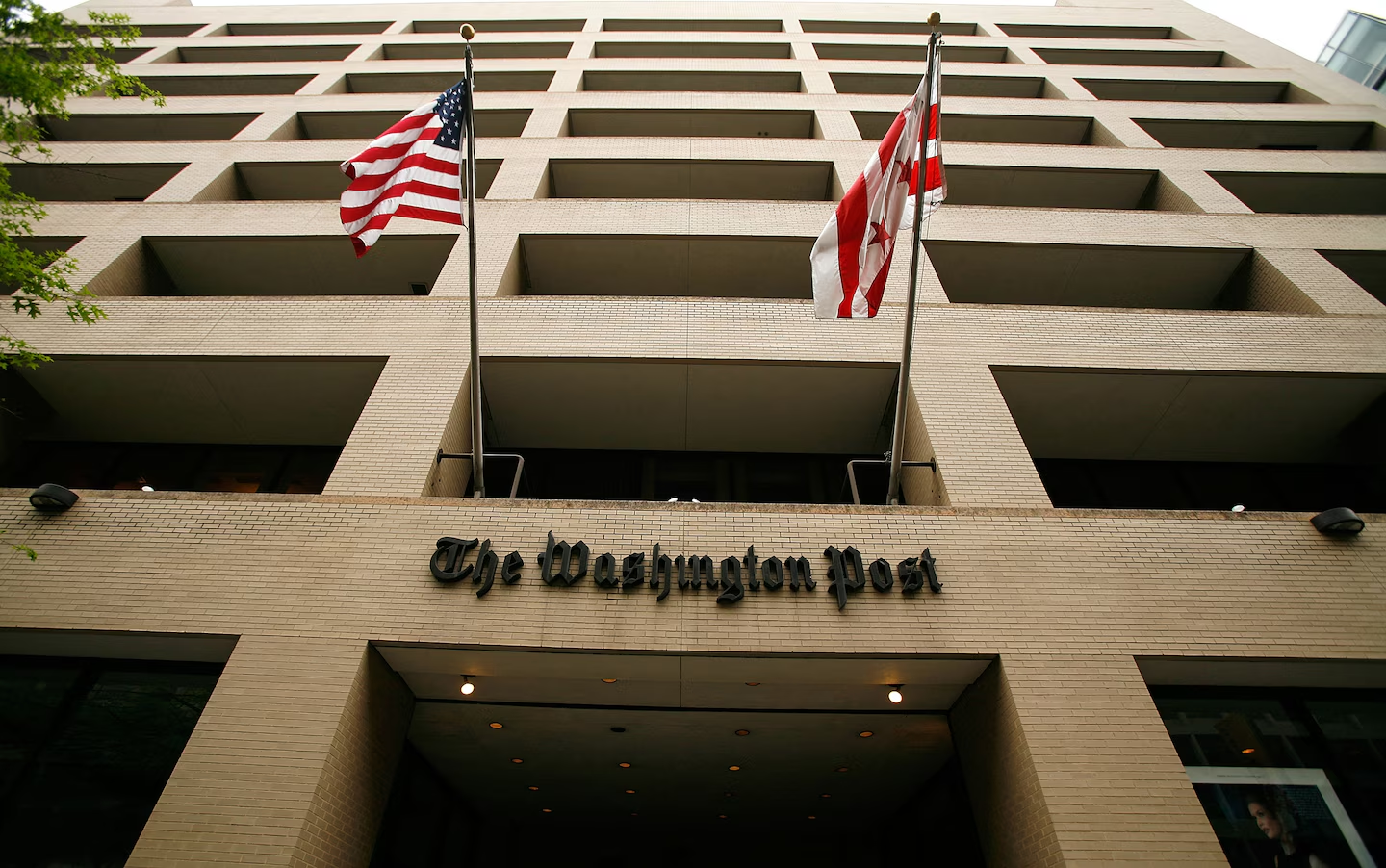
Washington Post layoffs are reshaping the U.S. media industry as one of America’s most influential newspapers reduces its workforce while adapting to digital transformation and declining traditional news revenue. The changes come as media organizations nationwide struggle with advertising declines, subscription battles, and shifting reader behavior. The layoffs affect newsroom operations, investigative journalism capacity, and long-term media sustainability. Experts say the decision reflects broader economic pressure on legacy news outlets and raises questions about the future of trusted journalism in America.
The move highlights how news organizations must rapidly restructure to remain financially stable while competing with social media platforms and AI-driven information services. Washington Post layoffs matter now because readers, journalists, and investors are watching how traditional newspapers evolve in a digital-first world.
Washington Post Workforce Reduction and Corporate Strategy

The Washington Post has implemented workforce reductions as part of internal restructuring designed to stabilize revenue and realign editorial priorities. The decision follows years of financial pressure impacting legacy print media, especially as digital advertising revenue increasingly flows to technology platforms instead of traditional publishers.
Company leadership emphasized that the restructuring aims to improve operational efficiency and strengthen long-term sustainability. The layoffs are reported to include roles across editorial and business departments, signaling that even high-profile media organizations are adjusting strategies to match modern reader habits and cost structures.
Financial Pressures Facing Traditional News Organizations
Like many newspapers, The Washington Post has experienced declining print advertising revenue while struggling to convert digital traffic into stable subscription income. Although digital readership continues growing, it often generates less revenue compared to traditional print advertising models that historically supported large newsroom staffs.

The newspaper’s parent ownership under Jeff Bezos initially sparked optimism about strong financial backing and innovation potential. However, even with billionaire ownership, sustaining profitability in modern journalism remains challenging. Rising production costs, global economic uncertainty, and competition from free online news sources continue to impact revenue stability across the industry.
Growing Competition From Digital Platforms and AI News Consumption
Modern readers increasingly consume news through social media, mobile apps, and algorithm-based platforms rather than traditional newspapers. Technology companies such as Google and Meta Platforms dominate digital advertising, capturing a significant portion of marketing budgets previously directed toward newspapers.

Additionally, AI-powered content summaries and automated news aggregation services are changing how readers access information. These tools provide instant news updates, often reducing direct website traffic for publishers. Media analysts believe newspapers must invest heavily in subscription loyalty, exclusive investigative reporting, and multimedia storytelling to compete effectively in the evolving digital landscape.
Impact on Journalism Quality and Newsroom Operations
Layoffs in major newsrooms often raise concerns about the future quality of investigative reporting and local coverage. Journalists play a critical role in holding governments, corporations, and institutions accountable. Reducing newsroom staff may limit the scope of long-form investigative projects that require months of research and reporting resources.

However, industry experts also note that restructuring may encourage newsrooms to adopt modern reporting methods. Digital storytelling, data journalism, video content, and interactive media are becoming essential tools for attracting younger audiences. The balance between cost reduction and maintaining journalistic integrity remains a major challenge for publishers.
Broader Trend of Media Layoffs Across the United States
The Washington Post layoffs reflect a larger trend affecting media organizations nationwide. Numerous news companies have reduced staff or reorganized operations due to declining revenue and shifting audience consumption patterns. Even established national and regional newspapers face financial uncertainty as digital transformation reshapes the business model of journalism.
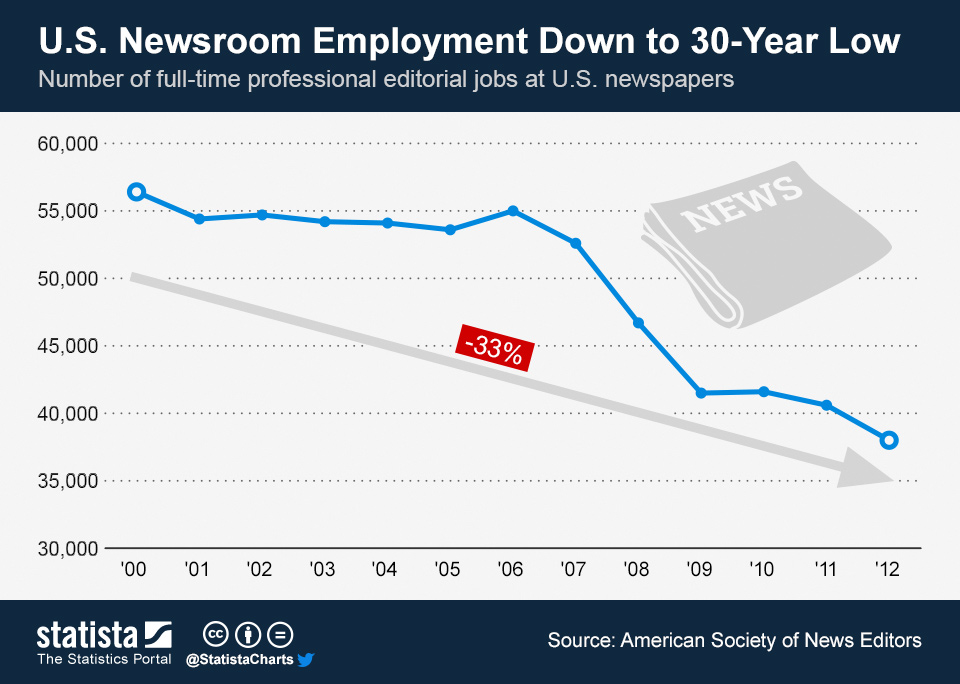
Industry reports show newsroom employment in the United States has steadily declined over the past decade despite rising online readership. Media companies are increasingly investing in subscription-based models, branded content, and diversified revenue streams such as events, podcasts, and premium newsletters to offset advertising losses.

Future Outlook for American Journalism and Reader Trust
Despite workforce reductions, many media experts remain optimistic about the long-term future of quality journalism. Newspapers with strong investigative reputations and loyal subscriber bases continue attracting audiences seeking credible and verified information. Trust in professional journalism remains a key advantage over misinformation spreading on social media platforms.
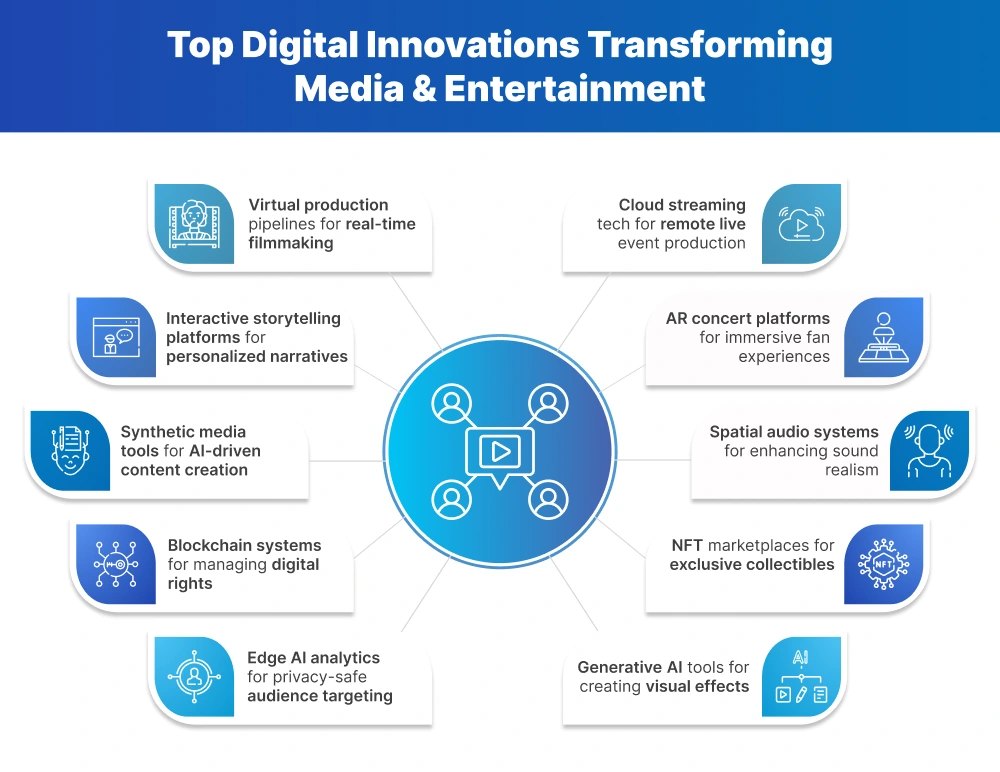
News organizations are expected to experiment with artificial intelligence, personalized content delivery, and enhanced reader engagement strategies. These innovations may help publishers rebuild revenue while preserving editorial independence. The Washington Post layoffs highlight an industry transition rather than a decline, as journalism evolves to meet modern audience expectations.
Why This Matters Now
The transformation occurring inside The Washington Post reflects a critical moment in American journalism. Readers increasingly depend on reliable news during times of political, economic, and global uncertainty. When major newspapers restructure, it affects how information is produced, distributed, and trusted by the public.
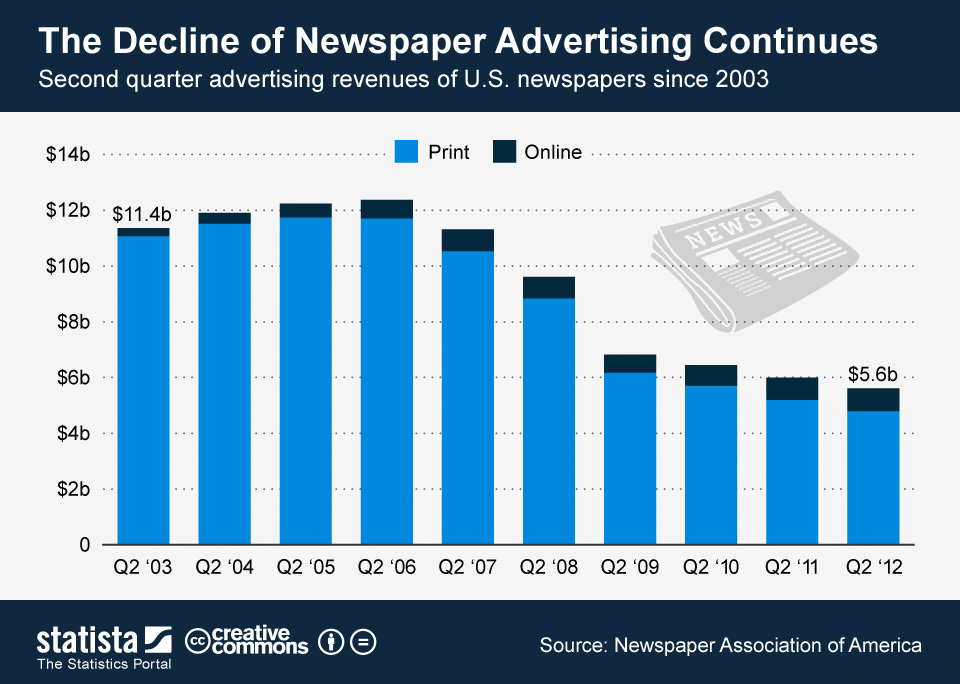
The media industry’s ability to adapt will influence democratic transparency, corporate accountability, and public awareness in the coming years. As digital consumption continues growing, newspapers must innovate quickly while maintaining editorial standards that build reader confidence.
Subscribe to trusted news sites like USnewsSphere.com for continuous updates.