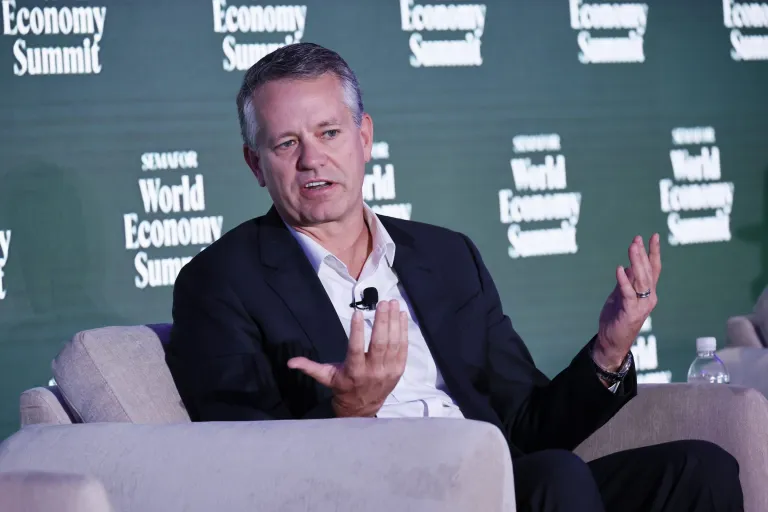
Walmart officially ushered in a brand-new era on February 1, 2026, when John Furner stepped into the role of President and Chief Executive Officer of Walmart Inc., succeeding longtime leader Doug McMillon—marking a major leadership shift at the world’s largest retailer. This transition not only answers who is leading the retail giant now but also why this leadership change matters in the context of rapid digital transformation and retail competition. Furner’s appointment comes at a time when Walmart’s strategic priorities are shifting toward AI-enabled growth, customer experience innovations, and deeper digital integration across operations.
From Hourly Associate to Global CEO: The Rise of John Furner
John Furner’s journey at Walmart is anything but ordinary. Beginning his career in 1993 as an hourly associate stocking shelves, Furner climbed the ranks over three decades, gaining experience in store operations, merchandising, international assignments, and executive leadership. Before being named global CEO, he served as President and CEO of Walmart U.S. since 2019 and previously led Sam’s Club. His deep understanding of Walmart’s culture and operations was cited as a key reason the board selected him to lead the company into its next chapter.

Furner’s track record—especially his leadership of Walmart’s U.S. business and contributions to digital innovation—gives markets confidence that Walmart will continue building on its retail strengths while embracing new technologies. Doug McMillon himself publicly endorsed Furner’s readiness to take the helm, emphasizing continuity in values and vision.
Walmart: Why the Leadership Change Matters Now
This leadership transition at Walmart is not just routine corporate governance; it reflects a strategic pivot toward future-focused retailing at a moment when customer expectations and global competition are rapidly evolving. Under McMillon’s tenure, Walmart saw dramatic growth in e-commerce, significant investments in digital infrastructure, and a broad emphasis on technology partnerships. His retirement at the end of January came at a time when Walmart’s stock had performed strongly—growing multiple times over—and the company remained a bellwether of the global retail landscape.
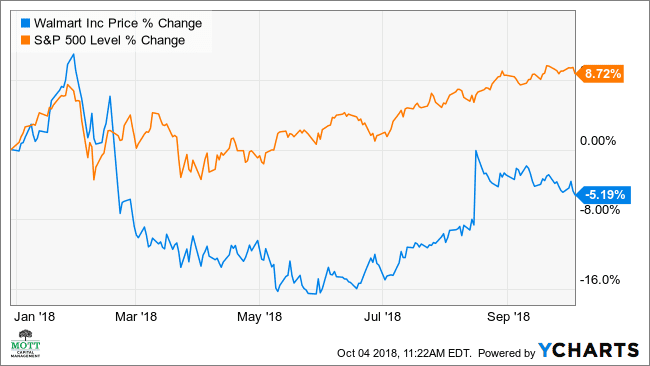
Furner inherits a company set on crossing a historic $1 trillion valuation and aims to push the business further into AI-enabled retail experiences, membership ecosystems like Walmart+, and seamless omnichannel integrations that blend physical stores with digital convenience. Analysts say his promotion signals a commitment to building on momentum rather than course-correcting, with leadership continuity seen as a competitive advantage.
Shaping Walmart’s Strategic Priorities in an AI-Driven World
Even before formally taking office, Furner began reorganizing Walmart’s executive leadership structure to prepare for what he describes as the next phase—one where technology, data, and customer experience are central to growth. Among the moves, longtime executives were promoted into new leadership roles, including naming a new CEO for Walmart U.S., realigning Walmart International leadership, and expanding responsibilities for growth, omnichannel platforms, and digital commerce.

This series of leadership changes isn’t about dramatic reinvention, but rather strengthening Walmart’s core execution capabilities while empowering leaders who understand both retail fundamentals and digital transformation. Experts say the assets Walmart has developed—from supply chain automation to data insights and AI experimentation—will be critical as Furner guides the business forward.
Impact on Employees, Customers, and the Retail Sector
For employees and customers alike, the leadership transition is expected to reinforce Walmart’s mission of “helping people save money and live better,” even as the company modernizes and evolves. Internally, the promotion of homegrown talent like Furner sends a signal about Walmart’s emphasis on developing leaders who understand the company’s operations and culture. Externally, retailers and investors closely watch how Walmart balances cost leadership with innovation and customer experience strategies.
In the broader retail industry, this leadership evolution sets a tone for how legacy big-box brands transition in the face of digital competition from e-commerce giants. Walmart’s ability to maintain scale while advancing technology adoption—without disrupting the core business—will be a key measure of Furner’s success.
What Comes Next for Walmart?
As John Furner leads Walmart forward, the focus will remain on balancing global operations, accelerating digital growth, and meeting evolving customer expectations. Walmart executives have highlighted priorities like operational efficiency, enhanced online engagement, tech-powered solutions in stores, and robust logistics capabilities—areas where strategic leadership will make a difference.
Investors and analysts say the company’s leadership transition is being watched not just for what it means for Walmart’s financial performance, but also for what it signals about the future of retail leadership in an age defined by customer choice, data-driven personalization, and AI transformation. With a strong leadership bench and a clear growth mandate, Walmart’s next chapter aims to uphold its retail dominance while redefining what the modern shopping experience can look like.
Subscribe to trusted news sites like USnewsSphere.com for continuous updates.