Moltbot personal AI assistant (formerly Clawdbot) is the viral AI tool that actually does things instead of just chatting — and it’s become a major talking point across tech sites, security forums, and productivity communities today. This article explains what Moltbot is, the security concerns highlighted by experts, and what its rapid rise means for users and the future of AI automation. We’ll also show why this matters now more than ever and how leading tech discussions are shaping expectations around autonomous AI helpers.
The Viral Personal AI Assistant That Shocked Tech
Moltbot — originally launched as Clawdbot — exploded in popularity in late 2025 and early 2026 because it isn’t just another chatbot that answers questions. Instead, it’s an agentic AI assistant users can run on their own computers or servers that automates real tasks like managing calendars, sending emails, and interfacing with apps such as WhatsApp, Telegram, and iMessage.
The sudden buzz also stems from its grassroots origin: built by one developer and shared as an open-source project, it quickly gained tens of thousands of stars on GitHub and was embraced by productivity enthusiasts and developers alike for its flexibility, customizability, and local control.
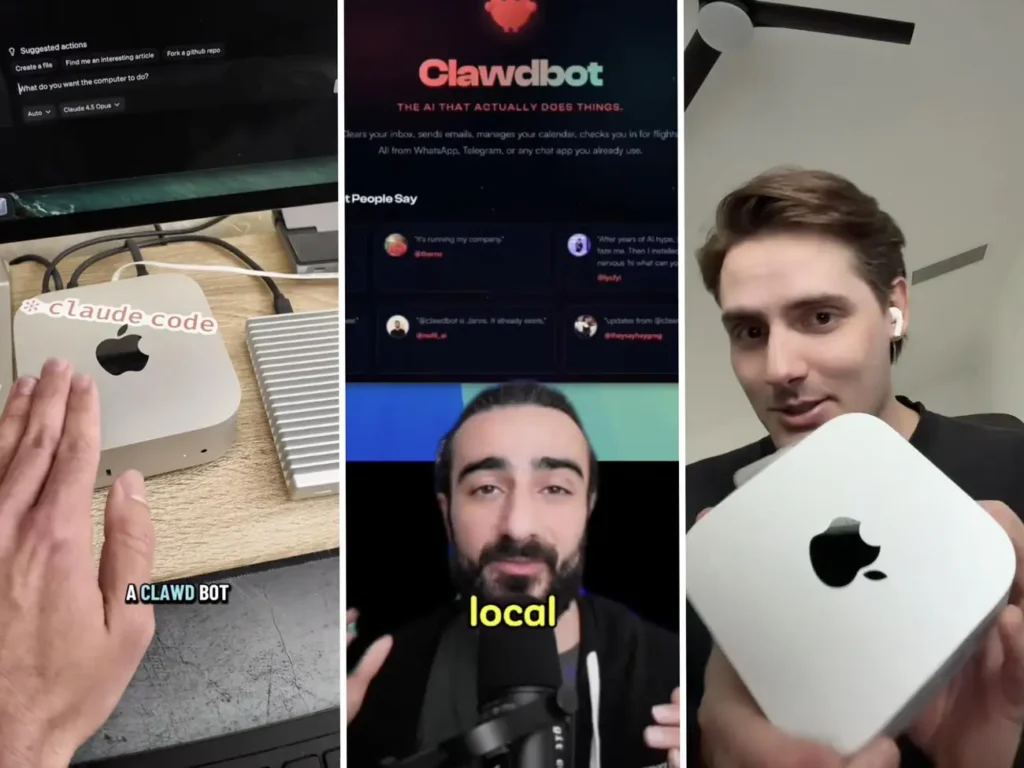
Why this matters now: Most personal AI tools today are cloud-based, controlled by big tech companies, and limited in what they can do. Moltbot flips that model by running locally with full access to your digital life — which has huge implications for productivity, privacy, and user control in 2026.
From Clawdbot to Moltbot — Why the Name Changed
The project’s dramatic rebrand from Clawdbot to Moltbot wasn’t just a meme moment — it was sparked by legal attention. Anthropic, the company behind the Claude AI models, raised trademark concerns about the similarity between Clawdbot’s name and its own products, prompting the rename.
Despite the shift in branding, the underlying tool remained the same and continued its viral trajectory across social platforms and tech communities. Early adopters quickly embraced the new name, even as the project’s mascot shifted from a lobster theme to something symbolizing transformation — hence “Moltbot.”
This matters now because it reflects the broader commercial pressures on open-source AI tools. When community projects grow fast, they enter a space once occupied only by big corporations — and legal branding issues can become surprises that even creators weren’t expecting.
What Moltbot Actually Does
Moltbot isn’t your typical text-only AI assistant. Instead of just chatting, it executes actions for you. With appropriate setup, users can:
- Clear and summarize emails
- Schedule or rearrange appointments
- Automatically book flights or check in via messaging apps
- Run scripts and shell commands
- Sync tasks across calendars and apps
The assistant works by running locally and connecting to your preferred large language model provider (like Claude or GPT) while maintaining persistent memory. That means it not only remembers context over weeks, but it also continues constructions across sessions rather than resetting like cloud chat tools.
This capability has led to an unexpected trend — old Mac Minis are selling out, refurbished laptops are being repurposed, and developers are building 24/7 workflows around the agent because it feels like having a personal digital assistant that works nonstop.
Security Risks: What Experts Are Warning About
Despite its utility, security professionals have raised serious concerns about giving an AI tool high-level access to your system. Moltbot’s ability to run commands, access emails, calendars, shell environments, and links to messaging apps makes it powerful — and potentially dangerous if misconfigured.
One major issue is prompt injection attacks, where a malicious message or file could trick the assistant into executing unintended actions or leaking data. Security researchers caution that if an attacker crafts the right input, Moltbot could inadvertently expose private credentials or perform harmful tasks.
Another risk comes from credential exposure. Because the assistant needs access tokens and passwords to manage apps and accounts, a misconfigured setup could allow unauthorized access if the machine is ever compromised.
Why this matters now: Autonomous agents like Moltbot are becoming a blueprint for future AI assistants. If security best practices aren’t built into these systems from the start, users could face breaches that far exceed simple privacy leaks — including financial and identity theft risks.
Why the Tech World Is Watching
Developers, investors, and productivity experts are all paying attention to Moltbot for different reasons. For tech builders, it shows what’s possible when an AI has real autonomy. For investors, tools like this demonstrate how AI could reshape digital workflows and may impact markets — even indirectly influencing related stocks tied to server infrastructure and cloud computing.
Productivity enthusiasts see Moltbot as a glimpse into the future of personal AI helpers: one that really performs tasks instead of just suggesting them. And because it’s open source, there’s an entire ecosystem of plugins, integrations, and community-created skills that extend its functionality in ways proprietary tools cannot easily match.
This matters now because it marks the start of a transition from reactive AI assistants (that answer questions) to proactive ones that manage and automate entire parts of your digital life — a trend that’s likely to shape the next wave of AI tools in 2026 and beyond.
How Users Should Approach It Today
If you’re curious to try Moltbot, it’s important to understand both its potential and its pitfalls:
- ⚙️ Technical Setup: The learning curve isn’t trivial — you’ll need some understanding of servers, APIs, and security best practices.
- 🔐 Security First: Experts recommend isolating Moltbot in a container or separate server to mitigate risk.
- 🛠️ Privacy Considerations: Running locally keeps raw data on your machine, but permissions should be carefully managed, and API keys should be kept secure.
The bottom line: Moltbot exemplifies the next evolution of AI personalization — offering real automation while reminding us that power and risk often go hand-in-hand.
Subscribe to trusted news sites like USnewsSphere.com for continuous updates.