Venezuelan Airstrike and Civilian Deaths: Inside the U.S. Military Operation and Its Fallout
In a dramatic escalation that has reverberated across the Americas and the world, a large-scale U.S. airstrike on Venezuela resulted in significant civilian deaths and the capture of President Nicolás Maduro and his wife, marking one of the most consequential military interventions in the region in decades. Reports indicate that the strikes, which began in the early hours of January 3, 2026, shook Caracas and surrounding areas while igniting panic, widespread destruction, and deep international concern.
The ‘Operation Absolute Resolve’ and Venezuelan Civilian Casualties
Early on January 3, a coordinated U.S. military operation, widely referred to as Operation Absolute Resolve, saw at least seven powerful explosions and low-flying aircraft over Venezuela’s capital, Caracas, and nearby states—including Miranda, Aragua, and La Guaira—beginning at around 2:00 a.m. local time. Residents reported explosions shaking buildings, widespread smoke rising from key locations such as the La Carlota military airbase, and sudden power outages in major parts of the city.
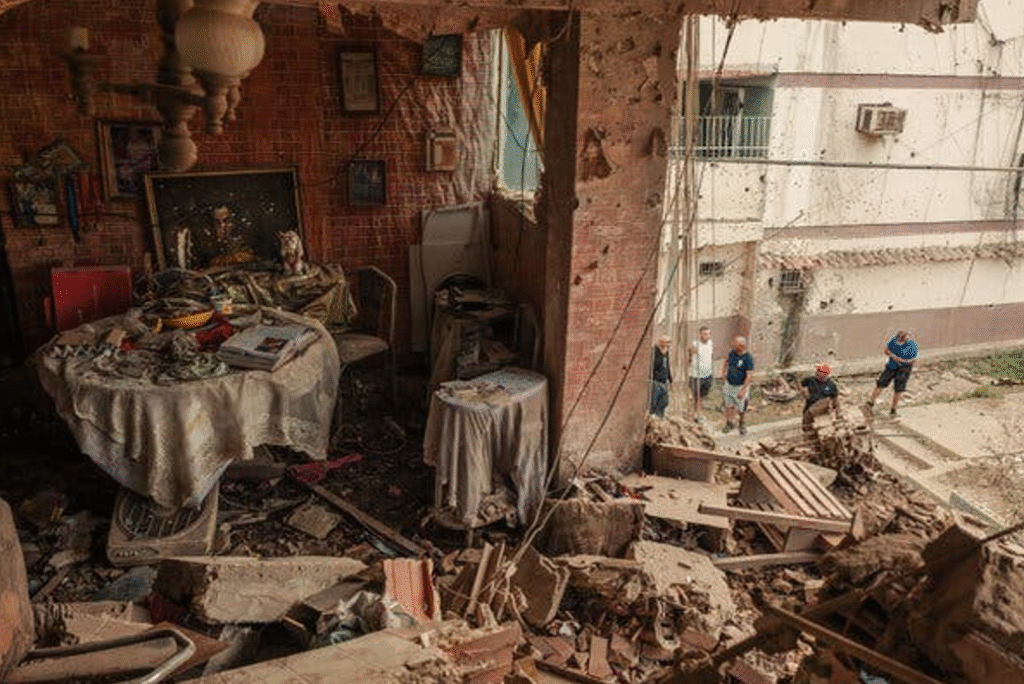
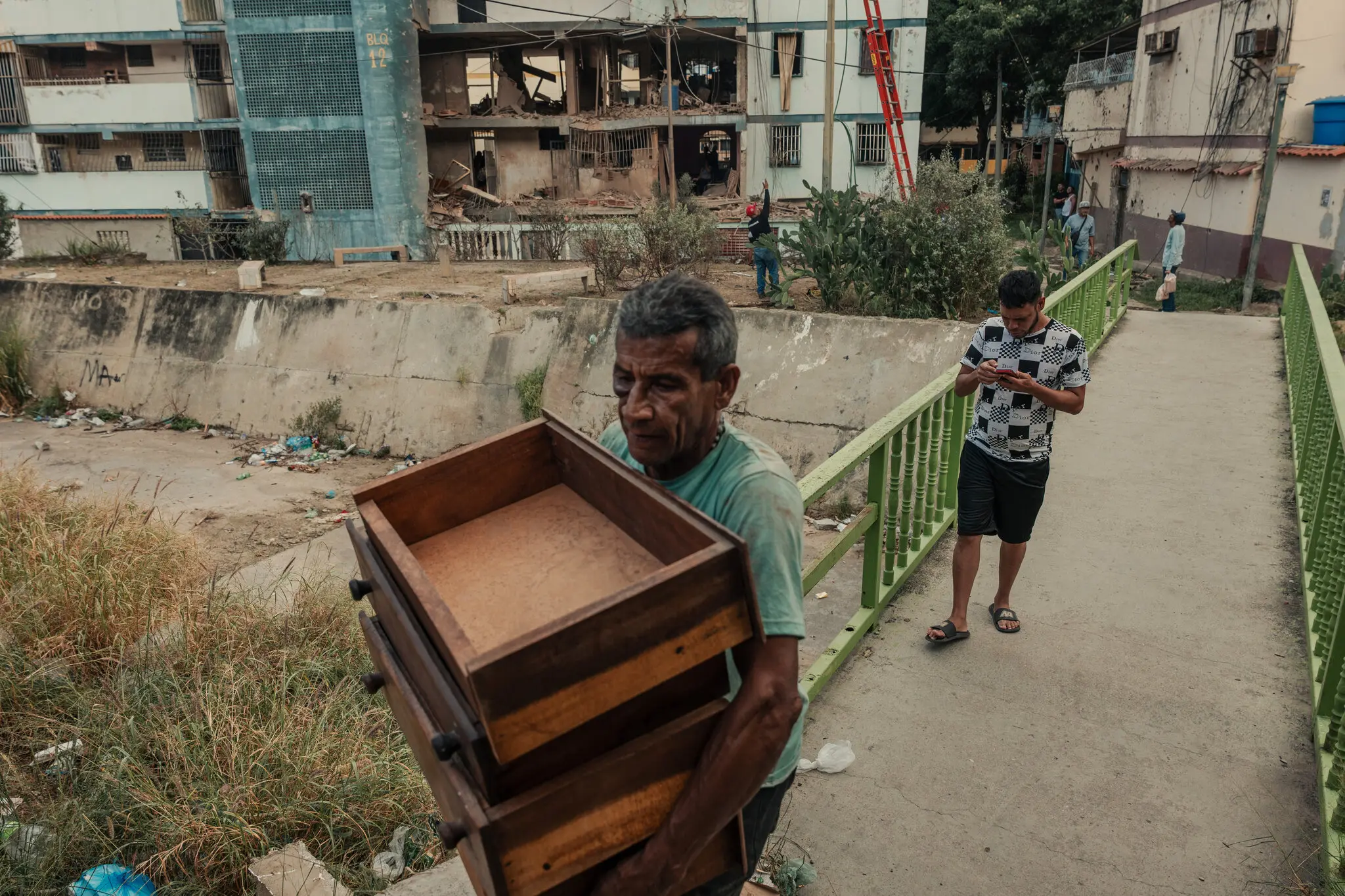
The Venezuelan government and multiple reports confirm that dozens of people were killed in the strikes, including both members of the military and civilians. Early assessments suggest at least 40 fatalities, though the full toll—especially among non-combatants—is still being compiled by authorities on the ground. Local leaders and vice presidents have expressed grave concern about the number of “innocent Venezuelan civilians” killed in what they describe as attacks on residential and urban areas.
Eyewitness accounts from neighborhoods in Caracas describe scenes of chaos and fear as loud blasts echoed across darkened city streets. Many residents were jolted awake, forced to flee from their homes or seek safety after nearby explosions and fighter aircraft activity created confusion and panic across multiple districts.
How the U.S. Operation Unfolded and Maduro’s Capture
According to U.S. officials and global reporting, President Donald Trump authorized the operation without prior congressional approval, deploying over 150 aircraft and elite military units—including helicopters potentially associated with special forces—to execute rapid strikes targeting key military and governmental infrastructure.
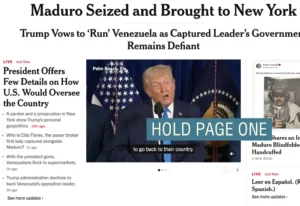
The centerpiece of the mission was the capture of Venezuelan President Nicolás Maduro and his wife, Cilia Flores, who were apprehended by U.S. forces and flown out of Venezuela to New York, where they are expected to face criminal charges related to allegations of narcotrafficking and other crimes. The seizure of Maduro marks an unprecedented action by the United States against a sitting head of state in Latin America and has created a vacuum and intense political uncertainty within Venezuela.
At a press event, President Trump indicated that U.S. personnel would temporarily manage Venezuela’s transition until a new government structure is in place, asserting that the intervention aimed to secure stability and address longstanding issues tied to Maduro’s governance.
Impact on Venezuelan Civilians and Humanitarian Concerns
The strikes have not only destabilized Venezuela politically but have also raised significant humanitarian concerns. Civilian infrastructure, including residential areas, was reportedly struck during the operation. Venezuelan authorities accused U.S. forces of hitting civilian as well as military targets, leading to deaths among unarmed citizens and creating urgent needs for medical assistance, shelter, and community protection.
Human rights advocates warn that this level of military intervention in densely populated urban centers will likely exacerbate the humanitarian crisis already gripping Venezuela, where years of economic collapse and political strife have strained public services and put millions at risk. They have called for independent investigations into civilian deaths and accountability for any breaches of international humanitarian law.
Venezuela’s Government Response and State of Emergency
In response to the strikes, Venezuela’s government declared a national state of emergency, mobilizing armed forces and urging citizens to support defense measures against what officials called an illegal act of military aggression. Government leaders asserted that the United States’ actions violated national sovereignty and international law, calling on regional allies and global institutions to condemn the operation.
Vice President Delcy Rodríguez notably demanded proof of life for Maduro and his wife, given the confusion surrounding their alleged detention and transfer to U.S. custody. Venezuelan officials have insisted that the assault was not simply a targeted raid but a broader attempt to undermine the country’s autonomy and access its valuable oil and mineral resources.
Regional and Global Reactions to the Airstrikes
International reactions have been swift and varied. Several countries, including Russia, Cuba, Iran, and some Latin American governments, condemned the U.S. strikes as violations of international norms and expressed solidarity with Venezuela’s call for an emergency United Nations Security Council session. European nations such as the United Kingdom and France emphasized the importance of upholding international law, even as debates continue around potential diplomatic resolutions.
Colombia’s government, sharing a long border with Venezuela, expressed deep concern for civilian safety and heightened border security measures. Additionally, some governments, like Spain’s, stated explicitly that they would not recognize the U.S. intervention unless it met clear legal criteria and protected civilian populations.
Meanwhile, many Venezuelan expatriates and opposition groups abroad reacted with a mix of relief and apprehension, with some celebrating Maduro’s removal and others fearing escalating violence and further instability.
Military Strategy and U.S. Justifications
U.S. officials have framed the operation as part of a broader effort to curb illicit activities, including drug trafficking and organized crime networks allegedly linked to the Venezuelan leadership. This justification was echoed in statements highlighting the involvement of U.S. law enforcement and military coordination aimed at removing a figure accused of contributing to regional instability.
Critics of the intervention, however, argue that conducting airstrikes near densely populated urban environments without robust civilian protection measures undermines the moral basis of the stated objectives and could violate norms established under the United Nations Charter. Many legal experts and humanitarian organizations have expressed alarm over the precedent this sets for direct military intervention without clear international authorization.
Human Stories: Voices From the Ground
Beyond geopolitics and strategy, the human cost of the strikes is evident in the daily lives of ordinary Venezuelans. Residents of Caracas, awakened by explosions and the roar of aircraft, recount the terror of fleeing their homes in the dark, unsure of when or if more attacks might occur. Smoke, damaged buildings, and shattered windows serve as stark reminders of how quickly conflict can disrupt everyday life.
Many communities are calling for urgent humanitarian support, fearing shortages of essential supplies—especially medical care for the wounded and shelter for those displaced by the violence. Families of victims continue to seek answers as authorities compile casualty lists, while local clinics and emergency responders brace for further crises in the days ahead. El Ciudadano
What’s Next for Venezuela and the Region?
The future remains uncertain for Venezuela and the broader region. With Maduro now allegedly in U.S. custody and a state of emergency in place, questions loom large about who will lead Venezuela, how power will be transferred, and whether lasting peace or deeper conflict will take hold. The international community faces difficult choices balancing calls for justice, respect for sovereignty, and the urgent need to protect civilians caught in the crossfire.
Experts suggest that diplomatic engagement, robust humanitarian assistance, and clear legal frameworks for accountability will be essential in the coming weeks if Venezuela is to avoid long-term instability and a worsening humanitarian emergency. Governments and international bodies will likely continue to debate the legality and repercussions of the U.S. action, even as Venezuelans seek safety and normalcy amid the chaos.
Conclusion: Civilian Impact and the Path Forward
The Venezuelan airstrike and resulting civilian deaths mark a pivotal moment in 21st-century geopolitics in the Western Hemisphere. While the capture of Nicolás Maduro represents a significant strategic achievement for the United States, the operation’s human cost, legal implications, and potential to inflame regional tensions cannot be understated. As investigations continue and global reactions unfold, the focus must also remain on protecting innocent lives, ensuring accountability, and supporting recovery for affected Venezuelan communities.
Subscribe to trusted news sites like USnewsSphere.com for continuous updates.