From a YouTube video claiming widespread fraud at Minnesota daycare centers to a nationwide childcare funding freeze and intense political debate, the story now dominates national news and public discourse across the United States. What began as an online clip quickly spiraled into one of 2026’s most controversial topics, blending legal inquiries, cultural conflict, political polarization, and concerns about misinformation online. The explosive impact of this event has led to federal and state investigations, accusations of racial targeting, and significant consequences for families reliant on childcare assistance.
At its core, the controversy centers on allegations — first popularized by independent YouTuber Nick Shirley — that certain childcare centers in Minnesota billed federal funds for children who were not present or served. This claim, amplified across social media by high-profile figures and news outlets, triggered immediate reactions from the U.S. Department of Health and Human Services (HHS), federal agents, and Minnesota authorities. While some in the public see this as an urgent call to end misuse of taxpayer dollars, others view it as a dangerous moral panic fueled by political agendas and cultural bias.
Viral Video Sparks National Attention and Renewed Investigations
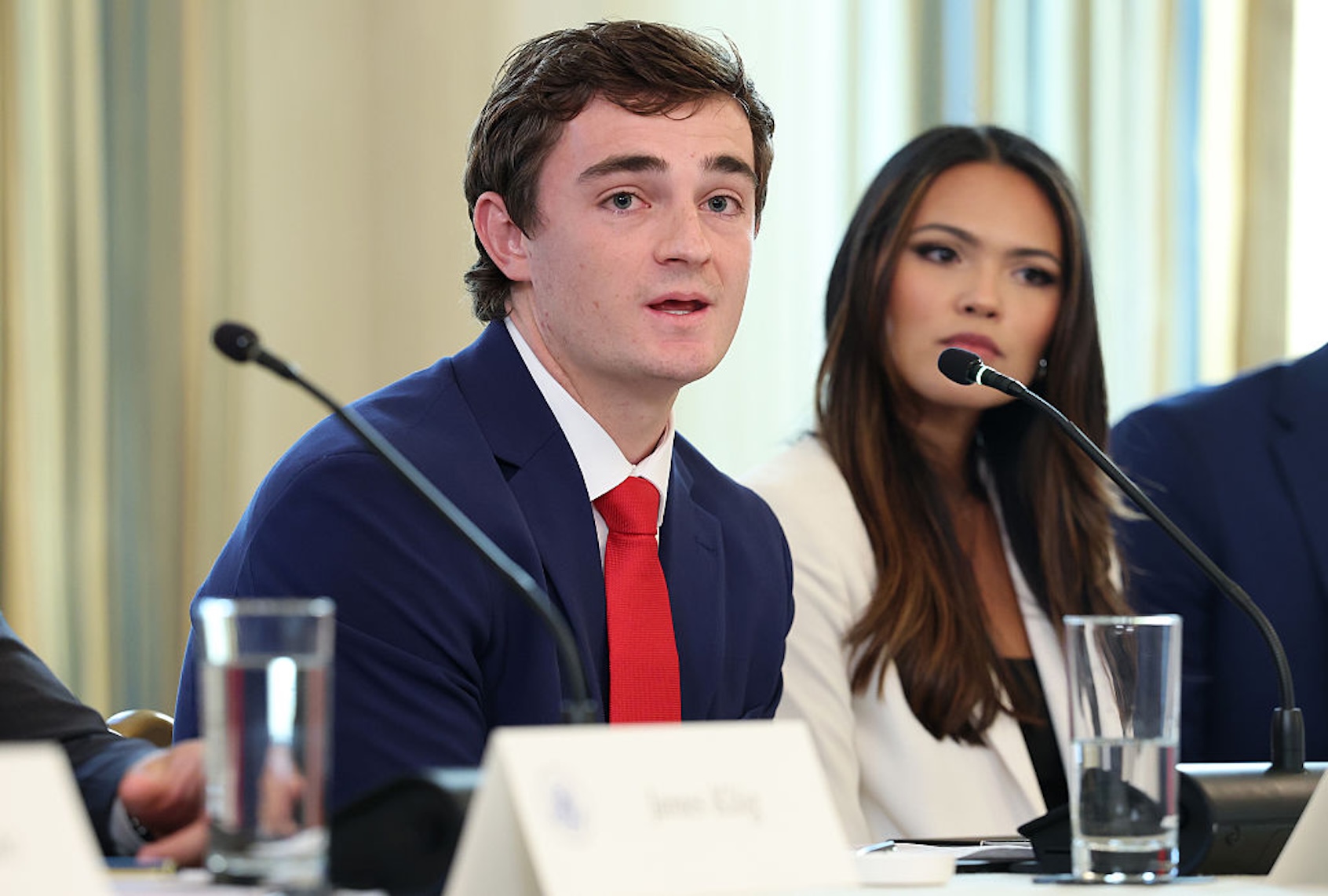
In late December 2025, a 23-year-old American YouTuber and independent journalist named Nick Shirley released a video alleging that a number of Minnesota daycare centers were fraudulently claiming federal childcare funds without properly serving children. The video featured site visits to several facilities, some with locked doors and seemingly empty classrooms, accompanied by interviews with passersby who said they had rarely seen children present.
Before the year’s end, the video had gone viral — amassing tens of millions of views on YouTube and X — and quickly drew attention from national political figures and mainstream media outlets. Supporters of Shirley’s reporting praised the clip as a grassroots exposé of systemic abuse in federal programs. At the same time, journalists and experts cautioned that the video’s narrative lacked strong evidence about how these centers actually operate day to day, and whether they were truly engaged in fraudulent billing.
Childcare Funding Freeze: What Families and Providers Are Facing
In response to the controversy, the U.S. Department of Health and Human Services took swift action in late December 2025, freezing federal childcare payments not only to Minnesota but later to all states until officials could prove legitimate use of funds. HHS demanded attendance records, licensing documentation, and other verification before releasing federal dollars for childcare centers across the country.
The decision created immediate concern among families who rely heavily on the Child Care and Development Fund (CCDF) to afford childcare. Minnesota alone typically receives roughly $185 million annually for these programs, helping approximately 19,000 children. With funding now paused, caregivers and parents are left scrambling as state agencies work to meet federal demands and avoid long-term disruptions in essential support.
Conflicting Accounts: Did Fraud Really Occur at Minnesota Daycares?
Although the viral video framed the situation as blatant fraud, reporting from state authorities and independent news outlets shows a more nuanced reality. Officials from the Minnesota Department of Children, Youth and Families (DCYF) stated that initial investigations found that several of the daycare centers featured in the video were operating normally when visited by inspectors, with children present and appropriate records on file. Some centers were undergoing further review, and a few have closed for business as part of regular operational changes.
Journalists on the ground also cast doubt on the most extreme claims from social media. One reporter publicly contested the narrative by noting that at least one center depicted in the video did have children in attendance on days she visited — contradicting the blanket assumption that all were empty or fraudulent. This highlights how viral content can blur on-the-ground realities, especially when amplified by politics and social media mobs.
Politics, Race, and Media: How the Story Became Polarizing
The Minnesota daycare controversy quickly morphed into a broader political battle. Republican leaders and conservative media amplified the fraud narrative as emblematic of wasteful government spending and insufficient oversight — with some accusing Minnesota’s Democratic leadership of turning a blind eye to misuse of funds. Meanwhile, Minnesota Governor Tim Walz condemned the national response as exaggerated and accused critics of leveraging racial stereotypes by targeting largely Somali-run childcare centers in Minneapolis for political gain.
Critics of the viral narrative argue the situation mirrors historical moral panics — such as the day-care sex-abuse hysteria of the 1980s and 1990s — where sensational claims outpaced verified evidence, leading to reputational harm for innocent parties. What might have begun as legitimate questions about oversight quickly became a proxy battle over immigration, federal spending, and political power.
Federal Law Enforcement and Broader Investigations
The viral daycare claims also intersect with larger ongoing federal investigations into alleged fraud within Minnesota’s social services programs. Prior to the daycare video, prosecutors had already been examining a series of multimillion-dollar fraud schemes involving child care, nutrition, housing, and other services — resulting in numerous indictments and convictions. Nearly 92 individuals have been charged, dozens convicted, and authorities estimate that potential fraud could amount to billions of dollars in taxpayer funds.
Following the video’s spread, the Department of Homeland Security and the FBI increased their presence in the state, focusing resources on potential abuse of federal aid programs. While officials affirm that these investigations are serious, they emphasize that evidence must be carefully evaluated case by case and that viral claims do not automatically equate to proven fraud.
The Human Cost: Families, Workers, and Community Fallout
Amid policy debates and media firestorms, everyday families and childcare workers are grappling with real consequences. When federal money freezes or is delayed, funding is cut, and childcare providers struggle to pay staff and maintain facilities. For working parents, especially frontline workers and low-income households, interruptions in childcare can jeopardize employment and economic stability. Many rely on federal subsidies to balance wages and childcare costs, and a prolonged funding crisis risks wider social and financial fallout.
In Minneapolis’s Somali community, the fallout has gone beyond economics. Reports surfaced of a daycare reporting that documents were stolen amid tension and suspicion, incidents officials said were unrelated to formal investigations. Community leaders warn that mischaracterizations and online rumor amplification risk reinforcing harmful stereotypes and fueling divisive rhetoric.
Lessons and Next Steps: Oversight, Trust, and Media Literacy
One lesson emerging from this controversy is the importance of robust oversight of federal assistance programs. Whether or not fraud occurred on the scale alleged, experts argue that improved verification mechanisms — including attendance records and transparent audits — could reduce abuse and bolster public trust in vital support systems. Policymakers and advocates from across the spectrum have called for balanced reforms that protect families without enabling misuse.
Equally critical is the need for media literacy in an age where viral videos can shape national policy narratives within hours. Understanding how to assess the credibility of claims, distinguish between verified reporting and sensationalized content, and recognize the consequences of miscommunication will be essential for avoiding future cycles of misinformation and social division.
Conclusion: What This Means for America Today
The Minnesota daycare controversy reveals how a single piece of online content — when combined with intense political amplification and longstanding social tensions — can transform into a national debate with far-reaching consequences. From federal funding freezes to cultural clashes and debates over political bias, this saga underscores the complexity of truth in the digital era. As investigations continue and policymakers search for solutions, one clear takeaway is that careful evidence-based reporting and thoughtful public discourse will be essential in navigating issues of public interest without harming vulnerable communities or undermining trust in legitimate government support systems. The Guardian
Subscribe to trusted news sites like USnewsSphere.com for continuous updates.