In a deeply emotional and rare legal moment, the trial of a former Uvalde school police officer charged with failing to act during the deadly Robb Elementary School shooting is now underway, marking a significant point in the continuing struggle for accountability after one of the worst school massacres in U.S. history. The proceedings come nearly four years after a gunman killed 19 children and two teachers, and they reflect broader national conversations about law enforcement response, training, and responsibility in active shooter situations.
The case has drawn intense public scrutiny, with families of victims and survivors hoping a courtroom will finally address the lingering question: why law enforcement waited more than an hour to confront the shooter while children and educators died or begged for help. This first-of-its-kind trial could shape future legal and policy discussions about how officers are held accountable for inaction during mass casualty events.
A Historic Trial in Corpus Christi Draws National Attention
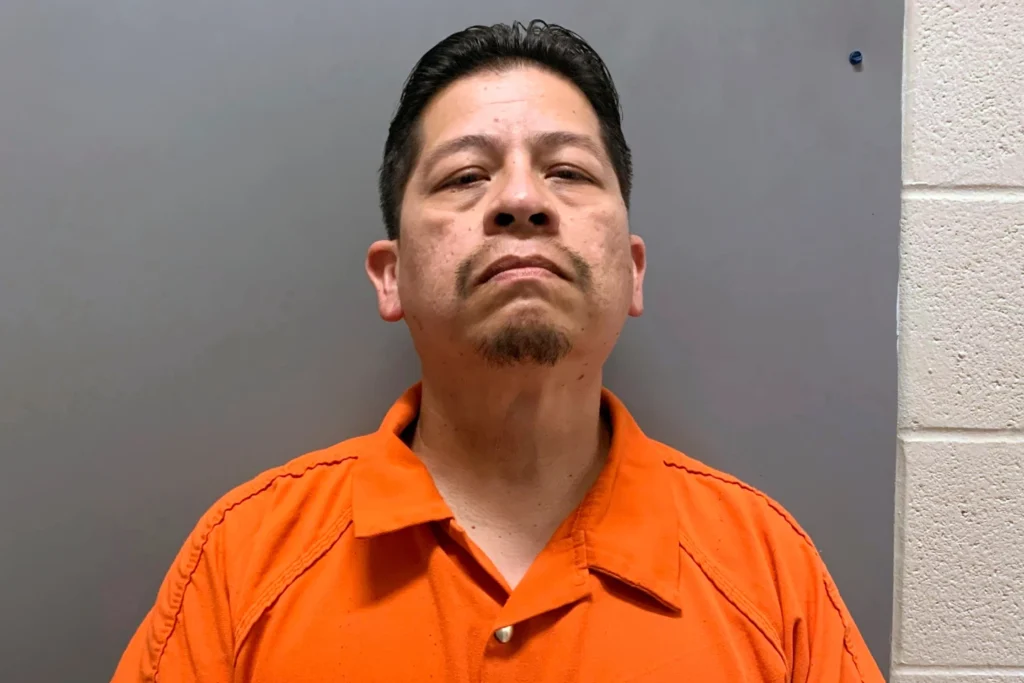
The former Uvalde school district police officer, Adrian Gonzales, is charged with 29 counts of child endangerment and abandonment for his actions — or lack thereof — during the May 24, 2022, Robb Elementary School shooting. Jury selection for his trial began in Corpus Christi, Texas, after a judge granted a change of venue to ensure impartiality due to the emotional intensity of the local Uvalde community.
Gonzales was among the first officers to arrive at the scene. Prosecutors allege that despite hearing gunshots and being told where the gunman was located, he failed to advance to confront the shooter, instead retreating and later participating in breaking windows to help some students escape. His indictment claims those decisions placed children and educators at greater risk.
Such charges against a law enforcement officer for not acting are extremely rare in U.S. courts. Legal analysts say that proving criminal liability for inaction, especially without evidence of malicious intent, will be challenging, but the sheer scale of the tragedy and the children involved give this case extraordinary weight.
Families Seek Justice After Years of Pain
For victims’ families, this trial represents a long-awaited opportunity to pursue justice. Many relatives have expressed deep frustration with how law enforcement responded to the shooting and how few consequences have followed those decisions. Out of the more than 376 officers who responded that day, only Gonzales and former police chief Pete Arredondo have faced criminal charges, and Arredondo’s trial has not yet been scheduled.
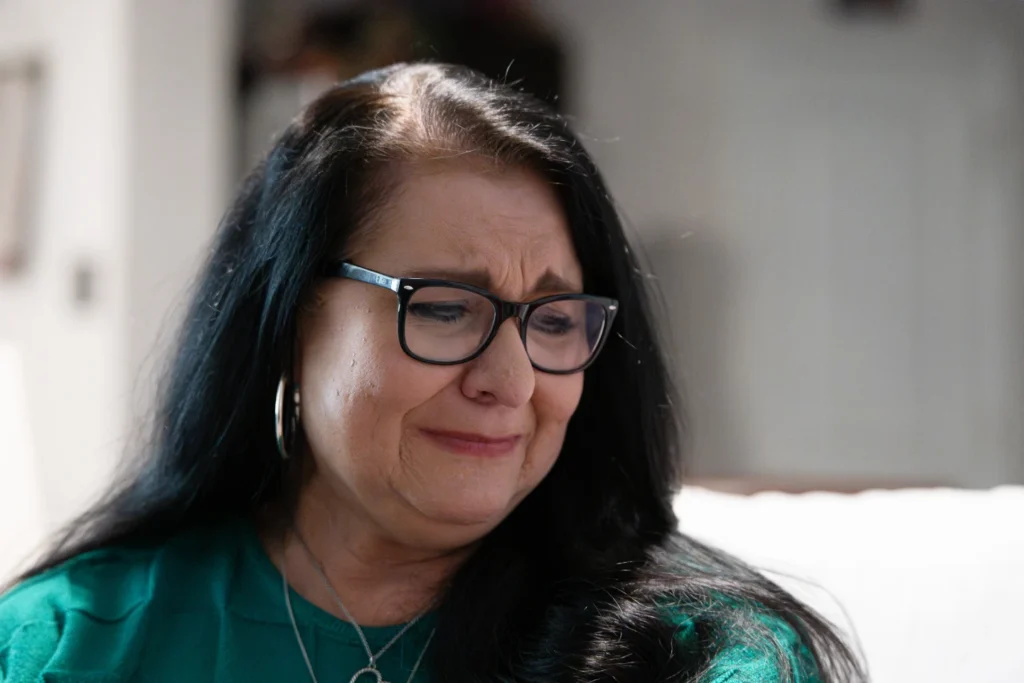
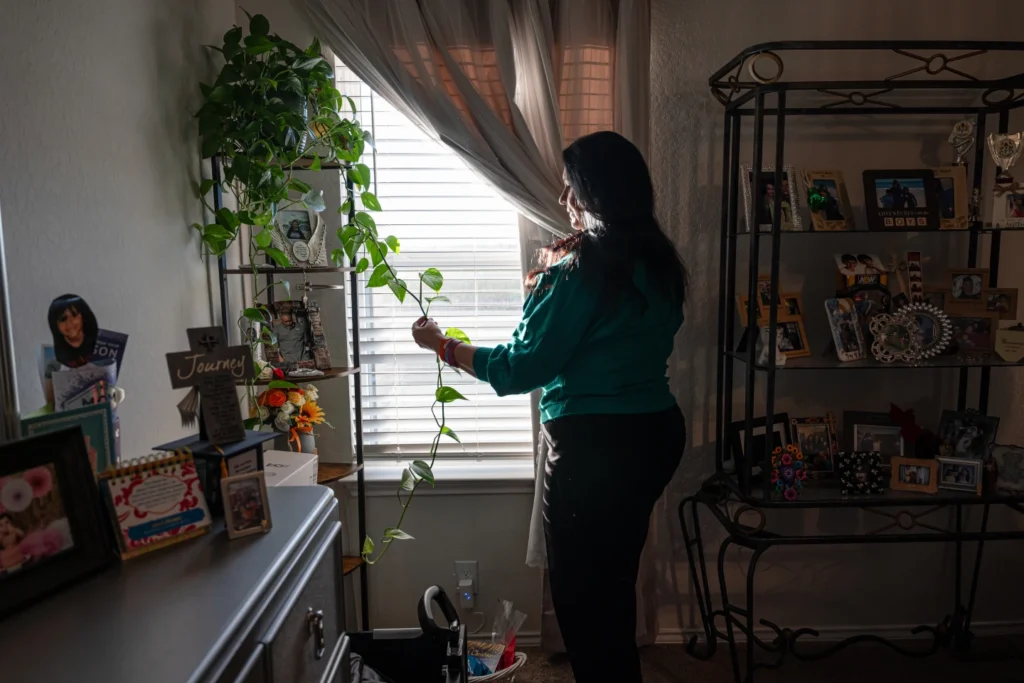
Relatives like Velma Lisa Duran, whose sister served as a teacher and was among those killed, have questioned why so few officers are being held accountable. “Where is the justice in that? Did she not exist?” Duran asked, urging broader responsibility beyond the two charged officers.
Some families have pursued other routes to justice, including federal and state lawsuits against law enforcement agencies, the gun manufacturer, and even social media companies. While some settlements have been reached — such as agreements promising improved police training — many legal battles are still unresolved.
Legal and Training Failures Highlighted in Reports
State and federal investigations conducted after the Uvalde tragedy exposed major shortcomings in law enforcement training, communication, leadership, and technology. Reports from these reviews questioned why officers from multiple agencies waited 77 minutes before confronting the gunman, Salvador Ramos, who killed children and teachers during that delay.
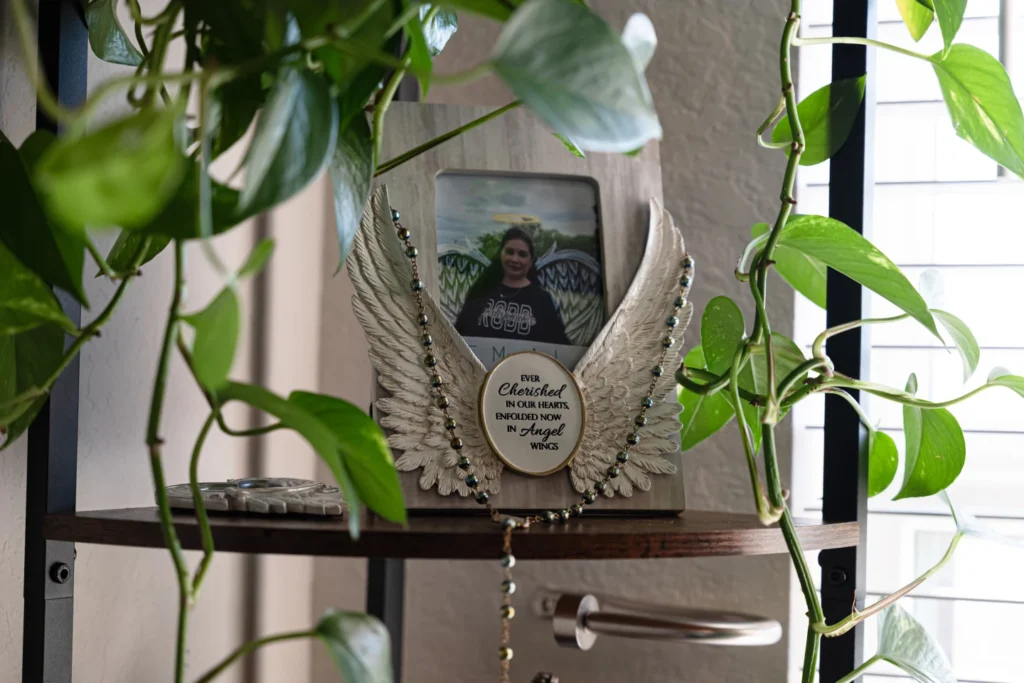
Experts have criticized the response, noting cascading failures that included a lack of coordinated action, poor communication between agencies, and confusion over command roles. A highly publicized DOJ review also underscored severe breakdowns in the execution of active shooter protocols.
Despite these findings, some local investigations have painted a more sympathetic view of the officers’ actions. An independent report commissioned by the City of Uvalde concluded that responding officers acted “in good faith” and did not violate policy or law, though it also noted multiple operational problems during the response. This divergence in conclusions fuels ongoing debate about accountability and training reforms.
Rare Criminal Charges for Inaction in a Mass Shooting
The Gonzales trial is notable because charging officers for failing to act in an active shooter scenario is uncommon in U.S. legal history. One analogous case was the 2018 Parkland, Florida, school shooting, where sheriff’s deputy Scot Peterson faced charges for not confronting a shooter — a case that ended in acquittal. That precedent underscores the legal challenges prosecutors face in the Uvalde trial.
Experts in criminal law note the difficulty in proving negligence or criminal liability without clear evidence of malicious choices. Prosecutors in the Uvalde case must demonstrate that Gonzales’s decisions were not just regrettable but rose to the level of criminal recklessness or gross negligence that endangered children. But support from the public and victims’ families adds emotional weight to the proceedings that few previous cases have carried.
The Community Remains Deeply Divided
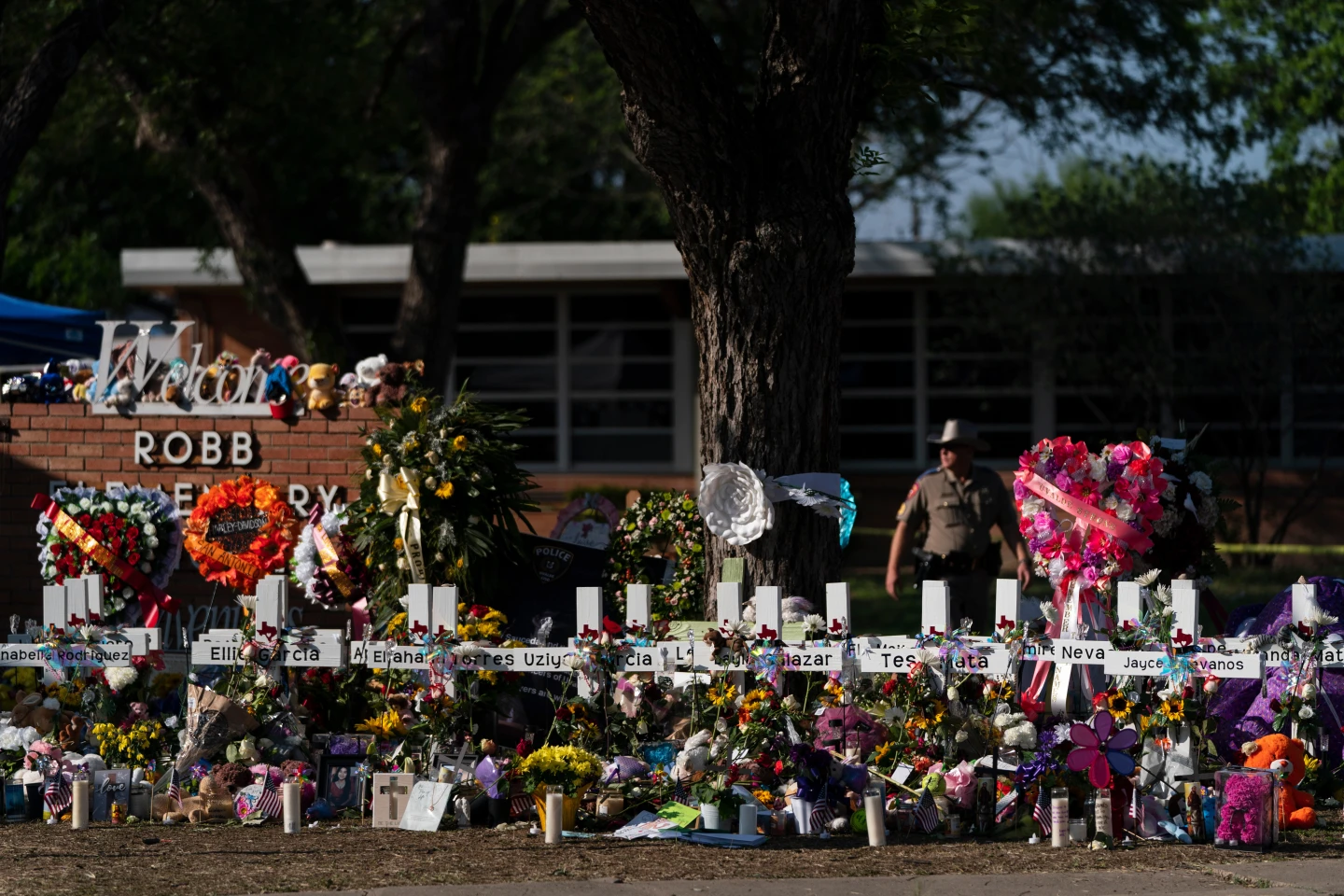
Outside the courtroom, the Uvalde community continues to grapple with the emotional aftermath of the shooting. Robb Elementary School remains empty, with memorials, murals, and crosses honoring the dead. Some residents feel that moving the trial out of Uvalde was necessary to avoid local bias and reduce tension, while others see it as distancing accountability further from the community most affected.
Craig Garnett, a local publisher, said many residents who were not directly affected have tried to move forward, but those who lost loved ones feel the trial represents a crucial moment for recognition and justice. Meanwhile, the town’s strong tradition of supporting police complicates public sentiment, creating tension between law enforcement advocates and families seeking accountability.
Public officials and educators have also weighed in, with some pushing for enhanced training standards and more robust crisis response protocols in schools nationwide — changes that have been partially addressed in legislation like the Uvalde Strong Act. This 2025 Texas law mandates improved active shooter training for law enforcement and stricter response planning for schools.
What Happens Next in the Trial
As the trial proceeds, jury selection and opening statements are expected to lay out the core arguments from both the prosecution and defense. Gonzales’s attorney maintains that his client acted with the intention of helping children and did not abandon his duty, asserting that his actions were consistent with what he believed to be right under chaotic circumstances. KSAT
The prosecution, however, will argue that the delay and retreat placed children at imminent risk, violating training and duty. With national eyes on the case and civil liberties advocates watching closely, the verdict could have implications far beyond Uvalde — potentially influencing how law enforcement is held accountable in future mass casualty responses.
Subscribe to trusted news sites like USnewsSphere.com for continuous updates.