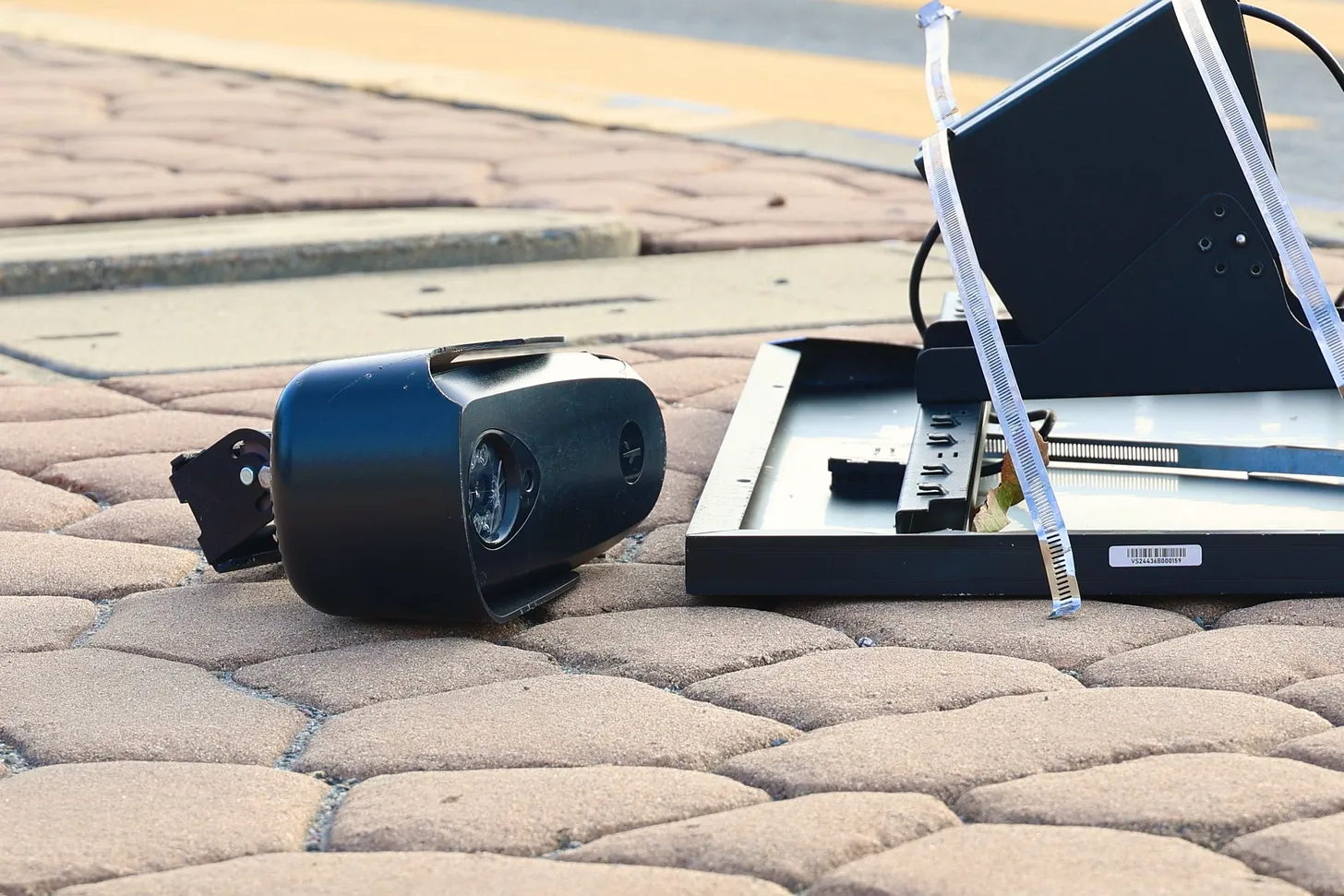
Across the US, people are dismantling Flock surveillance cameras as activists and everyday citizens push back against growing surveillance networks they say infringe on privacy, fuel law-enforcement overreach, and share data with federal immigration enforcement. In cities from California to beyond, individuals have been found intentionally breaking or removing these cameras — a dramatic signal of public frustration that goes beyond routine protest and taps into deeper debates about civil liberties, privacy rights, and government transparency. This movement reflects mounting unease about how data is collected, by whom, and where it ends up.
At a moment when technology is increasingly embedded into public life and law enforcement, Americans are questioning the trade-offs between safety and personal freedom. The dismantling of Flock cameras isn’t just isolated vandalism — it’s part of a much larger national conversation about surveillance, trust in institutions, and the balance between security and civil rights.
What Flock Cameras Are and Why People Are Targeting Them
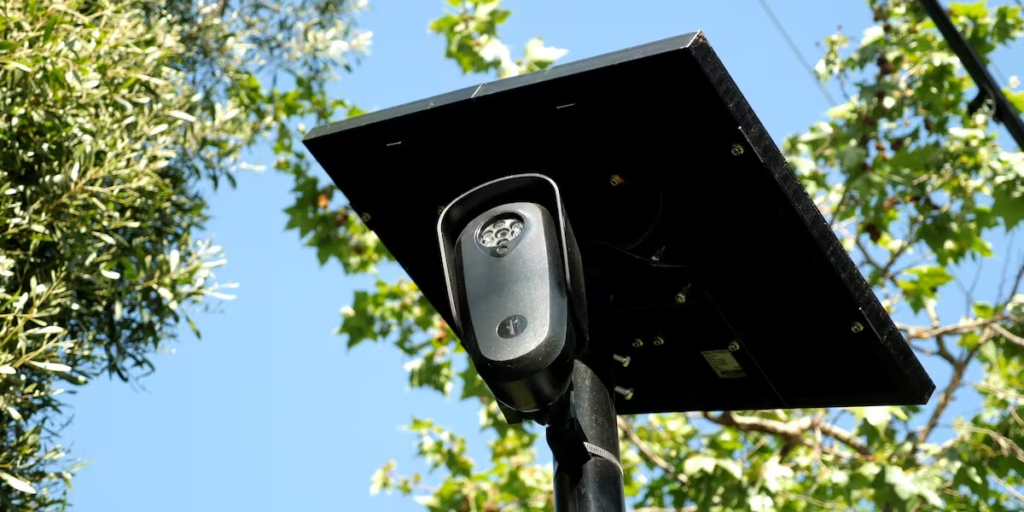
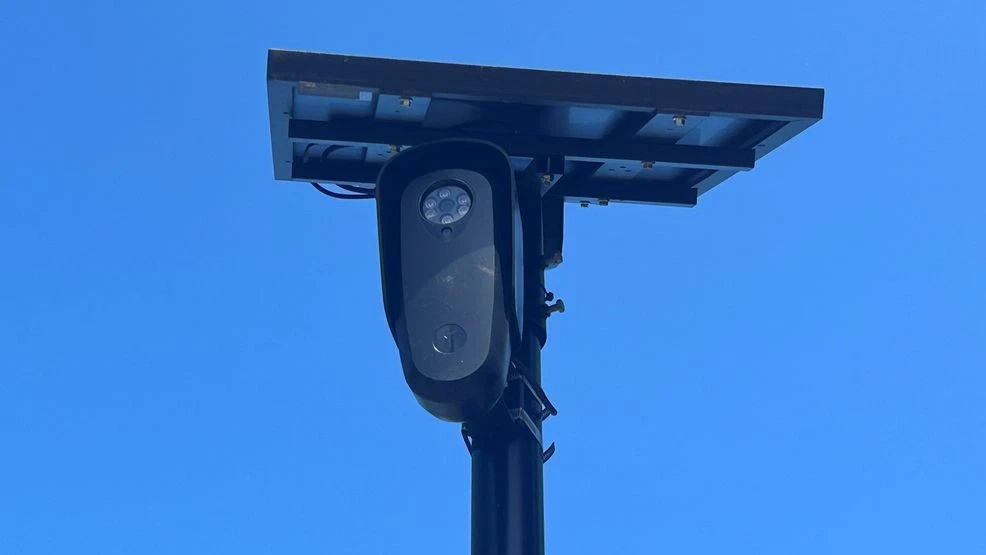
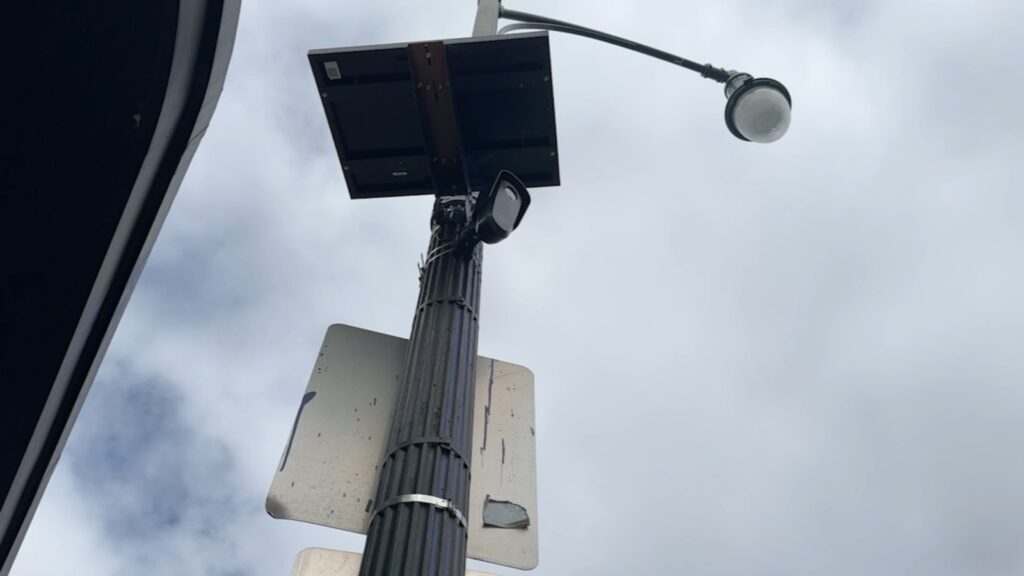
Flock surveillance systems are automated cameras installed in communities across the United States to track vehicle movements, often used by police and law enforcement agencies to locate suspects and solve crimes. Critics argue these cameras create detailed logs of everyday travel, allowing private companies and police departments to monitor people without warrants or meaningful public oversight.
Activists and critics say the cameras’ data is not just used by local police but can also be shared with federal entities like U.S. Immigration and Customs Enforcement (ICE), raising fears that everyday movements could be used for immigration enforcement or other purposes without consent. This alleged connection to federal immigration enforcement has intensified public outrage and motivated some to physically remove or destroy the equipment.
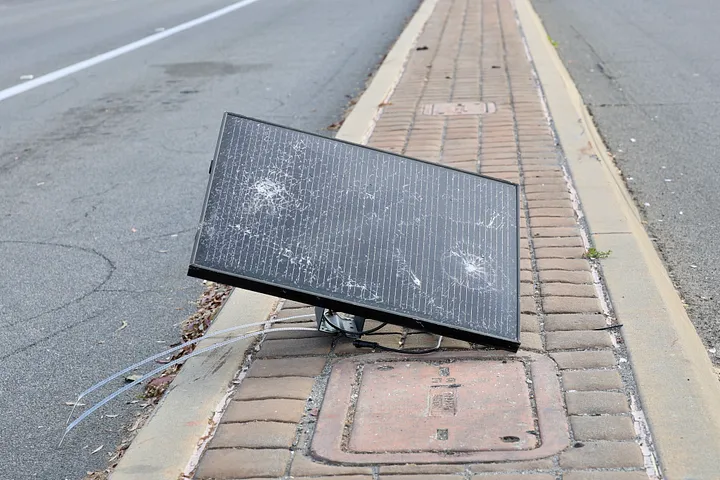
These actions have been spotted in regions such as La Mesa, California, where cameras were found smashed or stripped of key components. Residents took this as a deliberate protest against both surveillance and the decision by city officials to maintain contracts with Flock despite community objections.
The Broader Backlash Against Surveillance and Privacy Invasion
The uproar isn’t just about equipment on poles — it’s tied to widespread concerns about how personal data is collected and used in an age of ubiquitous technology. Many Americans feel current laws lag behind rapidly advancing surveillance technologies, leaving gaps in legal protections for privacy and personal information.
Civil liberties advocates argue the trend of surveilling public spaces and tying data to federal agencies erodes trust and potentially criminalizes ordinary behavior. Even when tools like Flock are justified as crime-fighting assets, the lack of transparency about how data is stored, who can access it, and how long it is kept fuels distrust.
Some commentators in online forums note that while damaging cameras is controversial and potentially illegal, activists see dramatic action as an effective way to spotlight public opposition and force policy discussions. Visible acts of resistance can influence local debates and have a symbolic impact beyond the act itself.
Legal and Ethical Dimensions of the Dismantling
Legally, intentionally destroying surveillance equipment can be classified as vandalism or destruction of property, carrying potential criminal penalties. Yet the motivations of those who do so often stem from a belief that lawful channels for reform — such as city council meetings, petitions, and public advocacy — have failed to protect civil liberties.
This tension between private property rights, public safety tools, and individual freedoms raises ethical questions. Should people take direct action when they believe laws and officials have ignored community concerns? Or does such behavior undermine legitimate democratic processes?
Proponents of reform argue that aggressive surveillance undermines core civil liberties and that communities should have greater control over whether and how these systems are deployed in their neighborhoods. Critics of the vandalism, however, contend that property destruction isn’t a productive path to change and could lead to harsher policing measures.
Public Reaction and Policy Implications
Local governments are increasingly under pressure to respond. Some leaders promise reviews of surveillance contracts, increased transparency, and public dialogues on privacy protections. Others have condemned the destruction of cameras and emphasized their utility in crime prevention.
At a national level, the debate mirrors other contentious discussions over how public spaces are policed and how technology is regulated. There is growing momentum among civil liberties groups to push for stronger privacy laws and clearer limits on when technology can be used to track citizens.
What happens next could influence broader national policy on surveillance, data sharing with federal agencies, and community consent. Legislators may face increased calls to restrict or regulate surveillance technologies, tighten data-sharing rules, and ensure that public safety tools do not come at the expense of fundamental privacy rights.
The Movement’s Broader Context and Impact
Across the U.S., debates over public monuments and historical narratives have shown how deeply people feel about symbols and public space. Similarly, the fight over surveillance reflects deeper concerns about identity, freedom, and who decides how communities are governed. Historical discussions about statue removal and public memory illustrate how contentious public spaces can become when people feel excluded from decision-making structures.
Although Flock cameras and statue debates differ in specifics, both highlight a larger dynamic: Americans are increasingly questioning who has the authority to shape public environments — whether through surveillance tools or cultural monuments — and are willing to take bold actions when they believe traditional mechanisms of change fall short.
As this movement continues, public policy, civil rights organizations, and local communities must grapple with how to balance public safety with individual freedoms. Supporters of dismantling argue it could drive meaningful reform; opponents warn it risks legal consequences and societal discord.
Subscribe to trusted news sites like USnewsSphere.com for continuous updates.