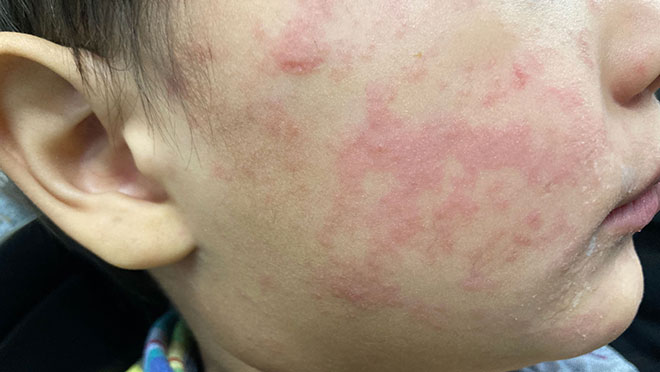
Wake County Public Health has identified potential measles exposure at multiple public locations after a contagious person visited several places in Raleigh and nearby counties — an event that matters now because measles remains one of the most infectious diseases and vaccination rates are less than ideal in many communities. Anyone at these sites during the listed times should be alert for symptoms and contact health providers immediately if concerns arise, especially unvaccinated individuals and high-risk groups like infants and pregnant people.
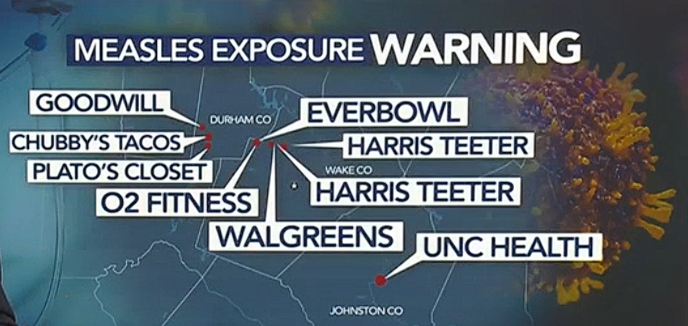
Measles Exposure Identified in Wake County — Where and When
Health officials confirmed that a person carrying measles — originally from out of state — visited five public locations in Raleigh’s Brier Creek area while contagious on Feb. 5 and Feb. 6. Anyone who was at these locations during the listed times may have been exposed to the virus and should carefully monitor for symptoms over the next 21 days, the typical period for measles to appear after contact.
The locations and times included:
- O2 Fitness, 7801 Alexander Promenade Place, from 1:30 p.m. – 5:15 p.m.
- Everbowl restaurant, 7840 Alexander Promenade Place, from 3:30 p.m. – 5:45 p.m.
- Harris Teeter supermarket on Strickland Road, from 5 p.m. – 7:10 p.m.
- Harris Teeter on Creedmoor Road, from 5:15 p.m. – 7:35 p.m.
- Walgreens, 13301 Strickland Road, from 3:30 p.m. – 5:40 p.m.
Wake County Public Health stressed that the measles virus can linger in the air for up to two hours after an infected person has left the area, meaning even brief overlaps in time could pose a risk.
Exposure Confirmed in Durham & a First Case in Johnston
Local health departments reported that a contagious person also visited three locations in Durham County on Feb. 6 — potentially exposing shoppers and diners at:
- Goodwill, 4318 Garrett Road
- Chubby’s Tacos, 4711 Hope Valley Road
- Plato’s Closet, 8128 Renaissance Parkway
Separately, Johnston County health officials confirmed a measles case in an emergency room visit on Feb. 7, marking the county’s first infection since 2018. While contact tracing is underway, no additional exposure sites have yet been identified there.
This regional spread — even among nonresidents — highlights how quickly measles can move when there are gaps in immunity.
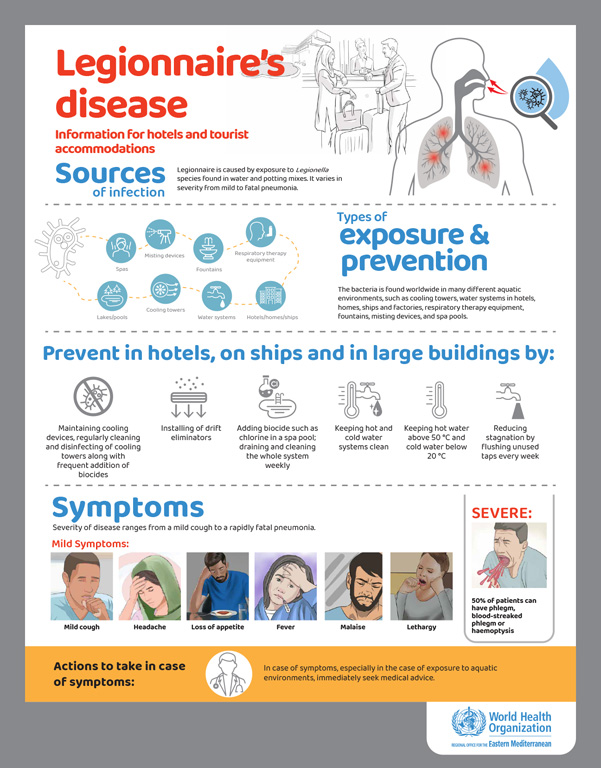
Measles Symptoms: What to Watch For
Measles typically begins with fever, cough, runny nose, red, watery eyes, and a distinctive red rash that appears a few days after initial symptoms. White spots inside the mouth, known as Koplik spots, may appear before the rash. These classic presentations usually develop 7–14 days after exposure, but can take up to 21 days in some cases.
Other signs to watch for include:
- High fever (often above 103°F)
- Persistent cough
- Severe fatigue or irritability
- Sensitivity to light
Because measles begins with common cold-like symptoms, many people don’t realize they’re infected until it’s too late. Anyone with this symptom pattern after visiting an exposure site should contact medical professionals immediately and avoid public contact.
Who Is at Highest Risk
While anyone without immunity can get measles, health experts point out that unvaccinated individuals face the greatest risk of infection and complications. Young children under 5, pregnant people, older adults, and people with weakened immune systems are especially vulnerable.
Measles remains highly contagious — more so than many respiratory diseases — and even brief proximity to a contagious person can cause transmission if immunity is absent.
Vaccinated individuals, especially those with two doses of the MMR vaccine, are considered highly protected and less likely to develop measles even if exposed.
Prevention and What You Should Do Next
Health officials are underscoring the importance of vaccination as the most effective defense against measles. The MMR vaccine (measles, mumps, and rubella) has been used safely for decades and is roughly 97% effective after two doses.
Here are immediate steps experts recommend:
- Check vaccination status: If you’re unsure whether you are up to date, check your records or contact your healthcare provider.
- Seek medical advice if exposed: Those who visited identified sites and are unvaccinated should call their doctor rather than visiting in person.
- Monitor for symptoms: Be alert for signs of measles up to 21 days post-exposure.
- Stay home if sick: Protect others by avoiding public places if symptoms develop.
Local health hotlines and county health departments can provide up-to-date guidance and help answer questions about personal risk.
Why This Matters Now
Measles was declared eliminated in the United States in 2000, but recent outbreaks across multiple states have shown how quickly it can return if vaccination rates fall below protective thresholds.
The recent exposures in Wake, Durham, and Johnston counties — combined with ongoing cases nationwide — highlight a broader public health challenge: maintaining high immunity levels to prevent outbreaks of a disease that’s easily preventable but still very dangerous.
By staying informed and proactive, communities can reduce the spread and protect the most vulnerable.
Subscribe to trusted news sites like USnewsSphere.com for continuous updates.