What Happened and Why This Matters Now
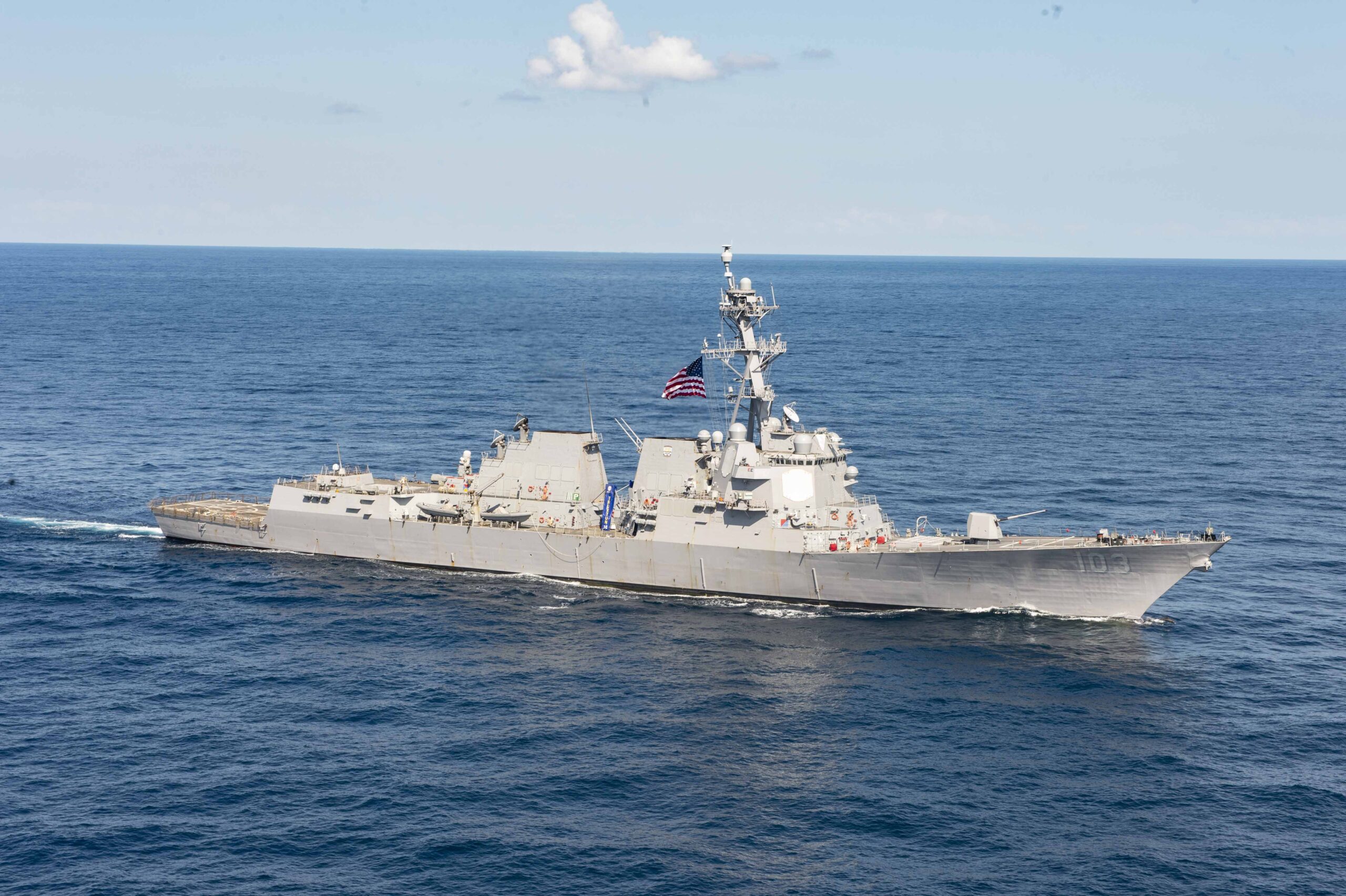
Two U.S. Navy vessels — the guided-missile destroyer USS Truxtun (DDG-103) and the fast combat support ship USNS Supply (T-AOE-6) — collided on Wednesday, February 11, 2026, while conducting an underway replenishment at sea in the Caribbean Sea under U.S. Southern Command’s area of responsibility. The incident left two sailors with minor injuries who are now in stable condition. Both ships remain able to sail safely as the Navy begins a formal investigation into what went wrong.
This collision comes amid an unprecedented U.S. naval buildup in the region — part of a continuous operation that includes dozens of warships aimed at combating illicit trafficking and increasing maritime security. The event brings into focus the risks of complex at-sea operations and the importance of rigorous training and safety procedures.
How the Collision Unfolded
At-sea replenishment — the process of transferring fuel, food, ammunition, and other supplies between two moving ships — is one of the most delicate and technically demanding maneuvers in naval operations. It typically requires the ships to maintain parallel courses at close range while crews transfer supplies via lines, hoses, and cables.
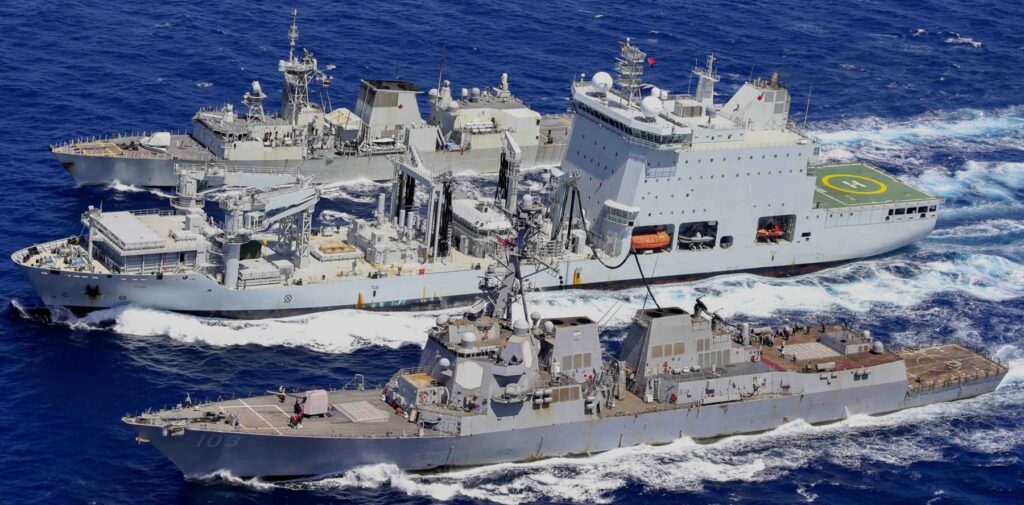
On Wednesday, the USS Truxtun was approaching the USNS Supply for routine refueling and resupply when the two vessels made unintended contact. Two sailors aboard reported injuries sustained during the collision; both were treated and confirmed to be in stable condition. Initial public statements from U.S. Southern Command confirm the incident is being investigated to determine root causes, procedural factors, and any corrective actions needed.
While neither vessel suffered damage significant enough to halt its mission, the collision underscores how even routine naval operations can become dangerous when multiple variables — weather, navigation, crew coordination — intersect at sea.
Who Are the Ships Involved?
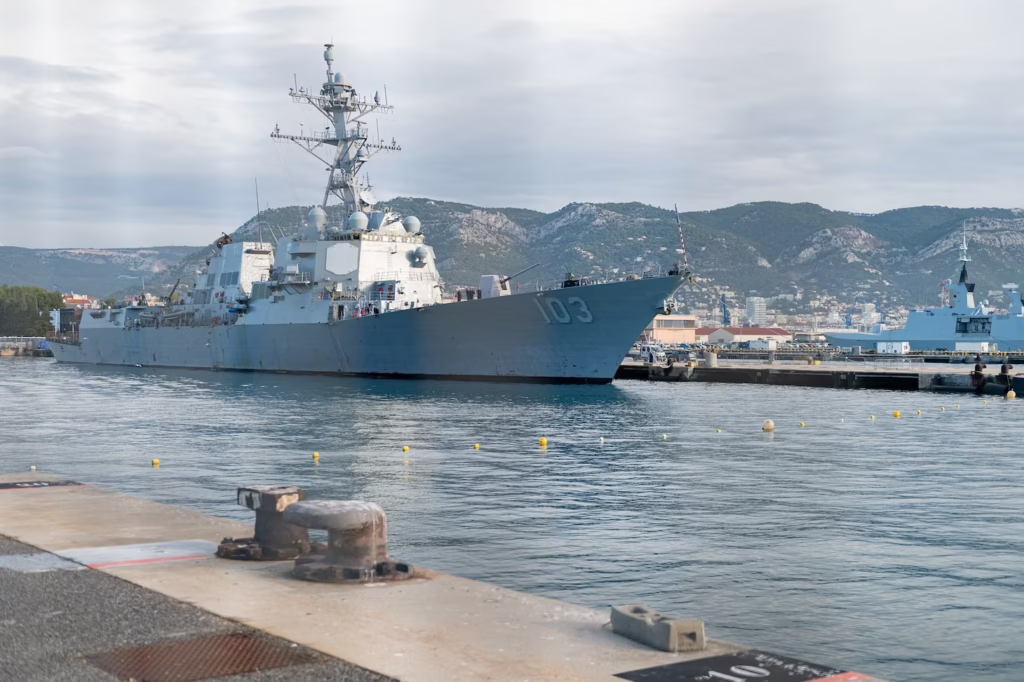
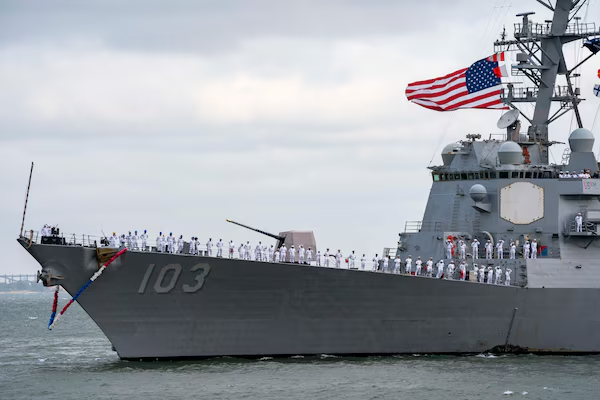
The USS Truxtun is an Arleigh Burke-class guided-missile destroyer — a heavily armed warship built to provide multi-mission offensive and defensive capabilities. Truxtun has been active in various naval operations before this deployment and embarked on this recent mission after returning to operational status in early February 2026.
The USNS Supply, part of the Navy’s support fleet, is designed to deliver fuel, munitions, and supplies to combat ships around the world. While owned by the Navy, it is typically staffed by civilian mariners who specialize in logistics operations. Supply has a long history of supporting naval carrier strike groups and critical missions worldwide.
Together, these two ships were part of a broader constellation of U.S. naval power in the Caribbean Sea that has been steadily growing as part of Operation Southern Spear, a strategic push to diminish illicit trafficking networks and enhance maritime security.
Why This Collision Matters
Collisions between modern naval vessels, especially within the same fleet, remain rare, largely because of rigorous training and strict procedures. However, they are not unprecedented in U.S. naval history, and when they occur, they frequently prompt deeper reviews of operational protocols.
In this case, the collision happened under operational conditions where split-second decisions and precise navigational coordination are crucial. The fact that both ships stayed operational and the injuries were minor is positive, but the incident may lead to questions about command processes, communication standards, and crew readiness during high-tempo maritime missions.
Because of the growing scale of U.S. surface operations in the Caribbean and South American waters, this event also sheds light on the broader challenges facing the U.S. Navy as it conducts extended deployments and sustained maritime logistics missions far from home ports.
U.S. Southern Command Responds
Officials from U.S. Southern Command confirmed the collision and emphasized that both vessels were continuing their missions safely. A spokesperson said that two personnel had reported minor injuries but were stable, and that the collision was still under investigation. The Navy has not publicly released details about the cause or contributing factors.
This investigation will likely include analysis of communications, ship maneuvering records, and environmental conditions at the time of the incident. The findings could lead to updates in procedures or training protocols to prevent similar events in the future.
Looking Ahead: Safety and Naval Readiness
While this collision will not derail ongoing missions, it raises important questions about the safety of at-sea operations and the continuous training needed to keep frontline sailors and vessels as safe as possible. For now, the focus remains on completing the investigation and applying any lessons learned to future deployments.
Naval experts say that maintaining readiness and safety — especially during close-quarters maneuvers — is essential for the U.S. fleet to operate effectively across global theaters. This event may influence how the Navy conducts similar operations, especially under sustained operational demands.
Subscribe to trusted news sites like USnewsSphere.com for continuous updates.