Trump Eyes Colombia Military Operation After Venezuela Raid, Escalating Regional Tensions
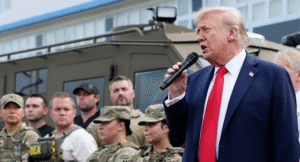
In an extraordinary declaration that has sent shockwaves through global diplomatic circles, U.S. President Donald Trump said a new military operation focused on Colombia “sounds good to him,” raising the possibility of U.S. military involvement in one of Latin America’s most geopolitically pivotal nations as tensions with the region surge to a level unseen in decades.
Speaking from Air Force One after a highly controversial U.S. military operation in Venezuela, Trump leveled blistering accusations at Colombian President Gustavo Petro, alleging that his government is deeply complicit in the drug trade and warning that Colombia’s current leadership will not be tolerated for long.
The comments marked a striking escalation in U.S.–Latin America relations and have ignited global concern about the use of military force in sovereign nations under the banner of counter-narco efforts. This article delves into the dynamics of Trump’s announcement, the context of ongoing U.S. strikes in Latin America, diplomatic reactions, and what the future may hold in a region already roiled by political upheaval.
Trump’s Colombia Comment: What Was Said and Why It Matters
When reporters asked him whether the United States would consider a military operation against Colombia’s government, President Trump replied simply that it “sounds good to me.”
He sharply criticized Colombian President Gustavo Petro, describing his government as “very sick” and claiming it was actively producing and exporting cocaine to the United States—charges that Petro’s administration has strongly denied.
The remarks came shortly after a U.S. military operation in Venezuela resulted in the capture of Venezuelan President Nicolás Maduro and his wife, who were flown to New York to face federal drug trafficking charges.
Trump’s comments reflect a major shift from traditional U.S. diplomatic engagement in the Western Hemisphere toward a posture that many see as assertive, unilateral, and potentially confrontational.
The Venezuelan Operation That Triggered It All
Before the Colombian threat, the U.S. carried out a military operation in Venezuela that shocked the world. Venezuelan President Nicolás Maduro and his wife were taken into custody by U.S. forces and transported to New York to face charges linked to drug trafficking and support for gangs designated as terrorist organizations.
In describing the situation, Trump asserted that the United States was now “in charge” of Venezuela, and hinted at the possibility of further strikes if Venezuelan leadership did not cooperate with U.S. authorities.
The capture of a sitting foreign leader by U.S. military forces represents one of the most dramatic actions in U.S.–Latin America relations since the invasion of Panama in 1989, and has provoked intense debate about international law, sovereignty, and global norms.
Understanding the Broader Strategic Context
The Trump administration has been engaged in an aggressive campaign against drug trafficking and cartel networks throughout Latin America. Analysts and military sources tie these actions to Operation Southern Spear, a broader strategy to target narcotics infrastructure and criminal networks across the Caribbean and Pacific regions.
This ongoing military posture has blurred the lines between anti-drug efforts and broader geopolitical intervention, especially as Trump and his advisors frame the campaign as essential to U.S. national security.
Colombia, which is the world’s largest producer of cocaine, had already been under pressure due to rising narco violence and sophisticated criminal tactics such as weaponized drones used by militias linked to trafficking groups.
However, most expert observers previously believed that while the U.S. might increase pressure on Colombia’s drug networks, it would be unlikely to directly deploy military force against a key partner nation—until Trump’s latest comments.
Colombia’s Response: Alarm and Preparedness
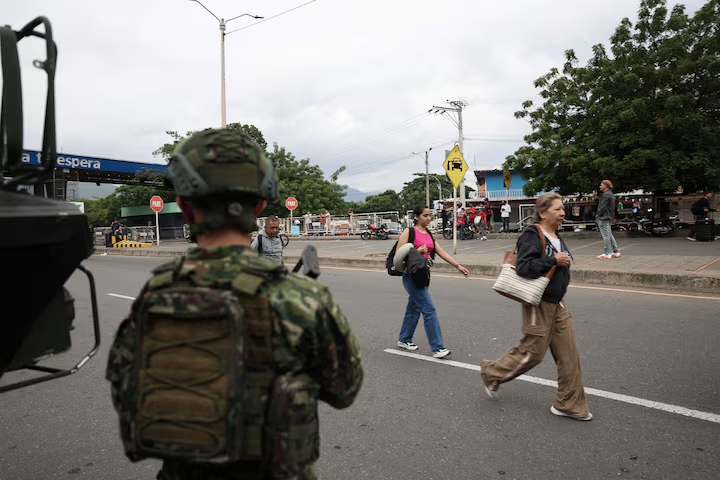
Bogotá reacted with alarm to the prospect of U.S. military involvement. President Petro and his government have stressed their ongoing efforts to combat drug production and emphasized sovereign rights. Colombian security forces have expressed concern that Trump’s rhetoric could destabilize internal security and fuel public unrest.
Colombian officials have pointed to increased drug seizures and cooperative efforts with the United States as evidence that the nation is committed to fighting narcotrafficking—not facilitating it.
The region’s historical memory of past U.S. interventions makes these developments especially sensitive, with many Latin American nations warning against a return to unilateral military actions by external powers in the hemisphere.
Global Reactions: Diplomacy Strains and Condemnations
International responses have been swift and widespread. Countries across Latin America and Europe have condemned both the Venezuelan operation and the new threats against Colombia as violations of international law and sovereignty.
The United Nations Security Council scheduled emergency discussions to address the situation, underscoring the gravity of a superpower acting militarily within the borders of multiple sovereign states.
European powers such as France and Spain, along with regional leaders from Brazil, Mexico, Chile, and Uruguay, publicly denounced the U.S. actions, calling them reminiscent of past interventions that destabilized democracies in the region.
China and Russia also issued strong criticisms, accusing the U.S. of hegemonic behavior and threatening to use their own diplomatic leverage to counterbalance what they describe as dangerous precedent-setting.
At the same time, some regional actors and analysts cautiously supported the U.S. focus on combating narcotics smuggling, though most stopped short of endorsing military force as a solution.
Legal and Ethical Questions Surrounding Military Action
Beyond diplomatic backlash, legal experts are questioning the legitimacy of applying military force under the guise of anti-narcotics or law enforcement when carried out in sovereign nations without clear multilateral approval.
International law scholars argue that extraterritorial use of force, especially in capturing a sitting president and bringing him to trial in the U.S., sets a complex and controversial precedent.
Critics also point out the moral hazards of military action that could result in civilian casualties, humanitarian crises, and broader destabilization—particularly in nations with volatile internal security conditions.
The debate now centers on whether these actions could be justified under existing treaties, self-defense doctrines, or emerging interpretations of counter-narco warfare.
What’s at Stake for the United States
For the U.S., the stakes involve not just drug policy but national security, immigration, and international influence.
Trump and his supporters frame the strategy as necessary to curb the flow of illegal drugs, stop cartel violence, and reduce immigration pressures tied to violence and economic instability in Latin America.
However, critics inside the U.S. government are warning that this approach could deepen divisions with key allies, open the door to military entanglements, and distract from diplomatic avenues that might yield more sustainable outcomes.
Several U.S. lawmakers have expressed concern about the duration, legality, and potential blowback of these operations, calling for clear legislative oversight and adherence to international norms.
Looking Ahead: Possible Scenarios
Analysts suggest several possible trajectories at this point:
- Diplomatic De-escalation: A negotiated resolution between the U.S. and Colombian leadership to reduce tensions and focus on joint anti-drug operations.
- Expanded Military Actions: Further U.S. operations in Venezuela or other nations perceived as part of the drug economy, potentially including Mexico.
- International Intervention: Broader involvement from multilateral organizations like the Organization of American States (OAS) or the United Nations to mediate the crisis.
- Domestic Backlash: Increased protest movements in both the U.S. and Latin America against military involvement and perceived overreach.
Each of these outcomes carries significant implications for regional stability, international law, and the future of U.S. foreign policy in the Western Hemisphere. The Guardian
Conclusion: A Turning Point in U.S.–Latin America Relations
President Trump’s comments about a potential military operation in Colombia mark a potential turning point in how the United States engages with Latin America—with ripple effects likely to shape diplomacy, security, and geopolitical alliances for years to come.
The use of military force against sovereign nations under the banner of drug enforcement represents a controversial shift that has alarmed governments worldwide and raised profound questions about legal authority, regional stability, and ethical governance.
As developments continue to unfold and global responses solidify, one thing is clear: the era of predictable diplomatic engagement in Latin America may be giving way to a far more contentious and uncertain chapter in international relations.
Subscribe to trusted news sites like USnewsSphere.com for continuous updates.