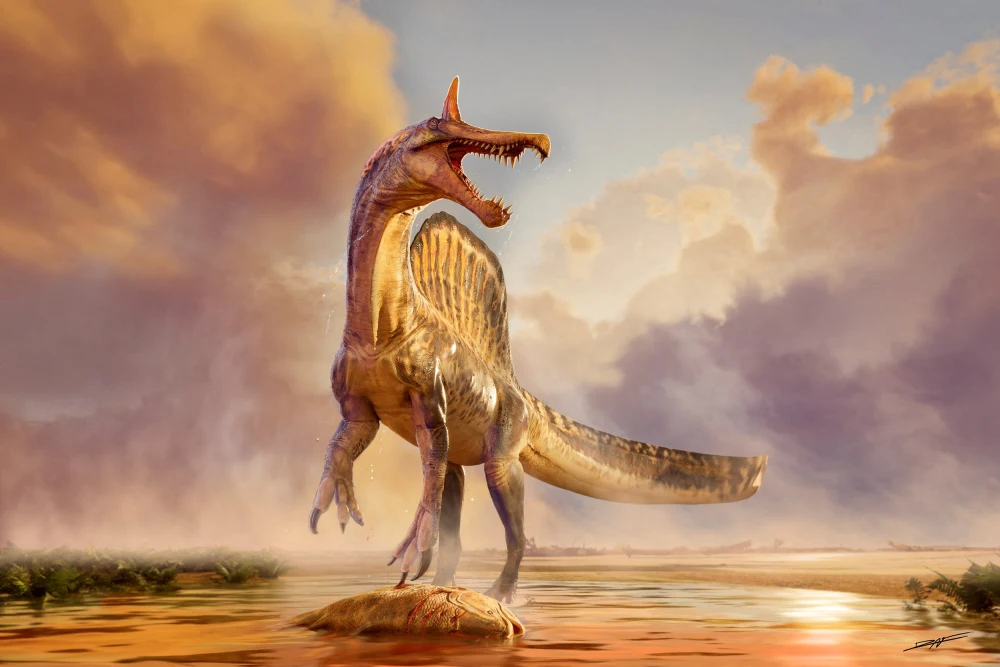
Spinosaurus mirabilis — a previously unknown species of one of the largest carnivorous dinosaurs — has been unearthed in Niger’s Sahara Desert, revealing surprising new details about how these giants lived, hunted, and evolved. This discovery answers critical questions about spinosaurid behavior and ecology while rewriting long-held assumptions about this iconic prehistoric predator.
Paleontologists found fossils dating back roughly 95 million years that reveal a massive, fish-eating dinosaur similar in size to Tyrannosaurus rex, yet markedly distinct because of its blade-like skull crest and adaptations for wading in shallow water. With heavy journal coverage and global scientific interest, this discovery not only fills gaps in the dinosaur fossil record but also opens new doors for understanding Cretaceous ecosystems in Africa.
Spinosaurus: Discovery of a Scimitar-Crested Giant
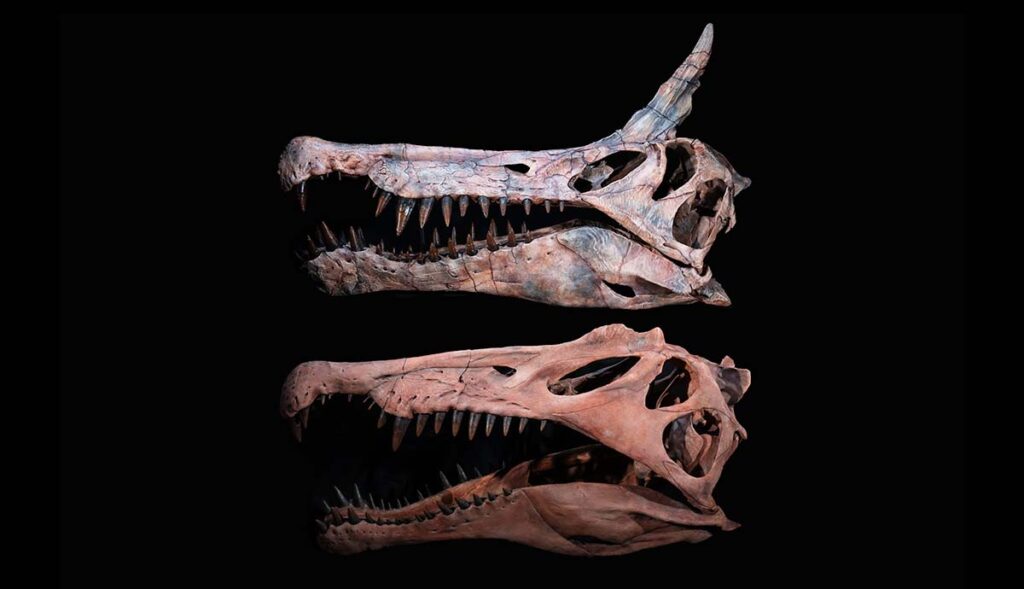
In the remote central Sahara, an international team led by paleontologist Paul Sereno unearthed bones and skull fragments that belong to a new species named Spinosaurus mirabilis — “mirabilis” meaning astonishing. Unlike its better-known relatives, this dinosaur had an unusual scimitar-shaped crest rising dramatically from the top of its head. Scientists believe this striking crest, possibly sheathed in keratin like modern bird casques, could have been brightly colored and used for visual display during mating or territorial competition.
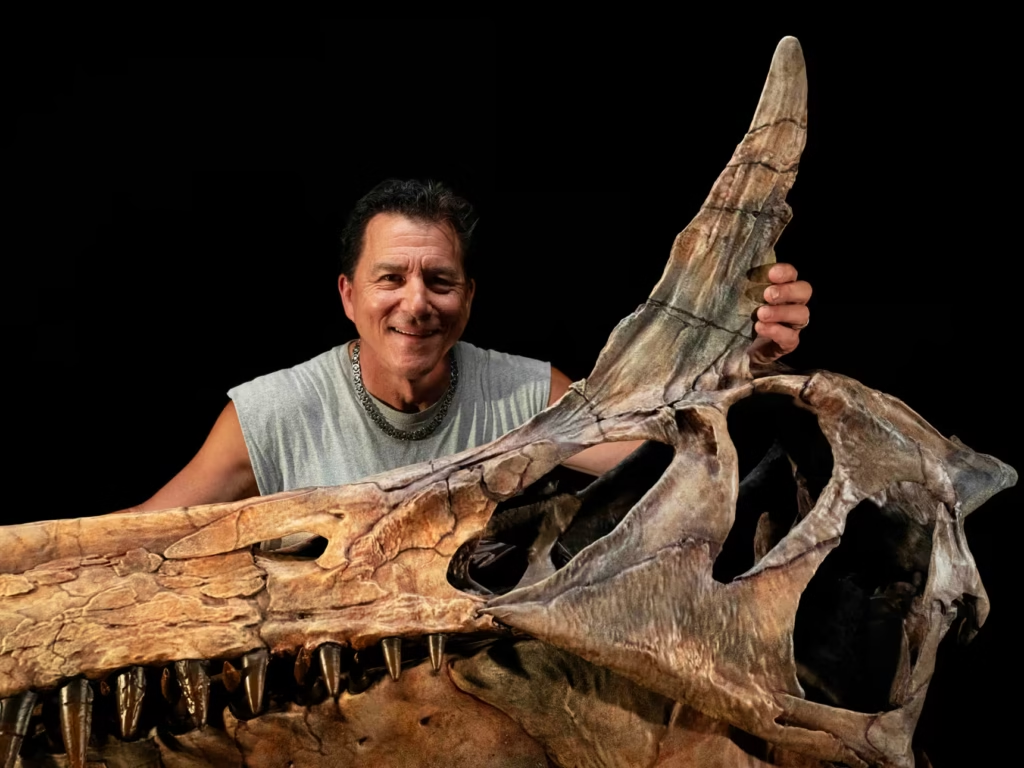
Researchers believe the crest wasn’t merely ornamental; its unique shape helps scientists refine how the Spinosaurus species evolved over millions of years. The fossils also include interlocking jaws and crocodile-like teeth adapted for catching slippery fish, underscoring this dinosaur’s specialized diet and feeding strategy.
This new species is the first unequivocal spinosaurid identified in more than a century, making it one of the most significant dinosaur discoveries in recent times.
Where and How It Lived
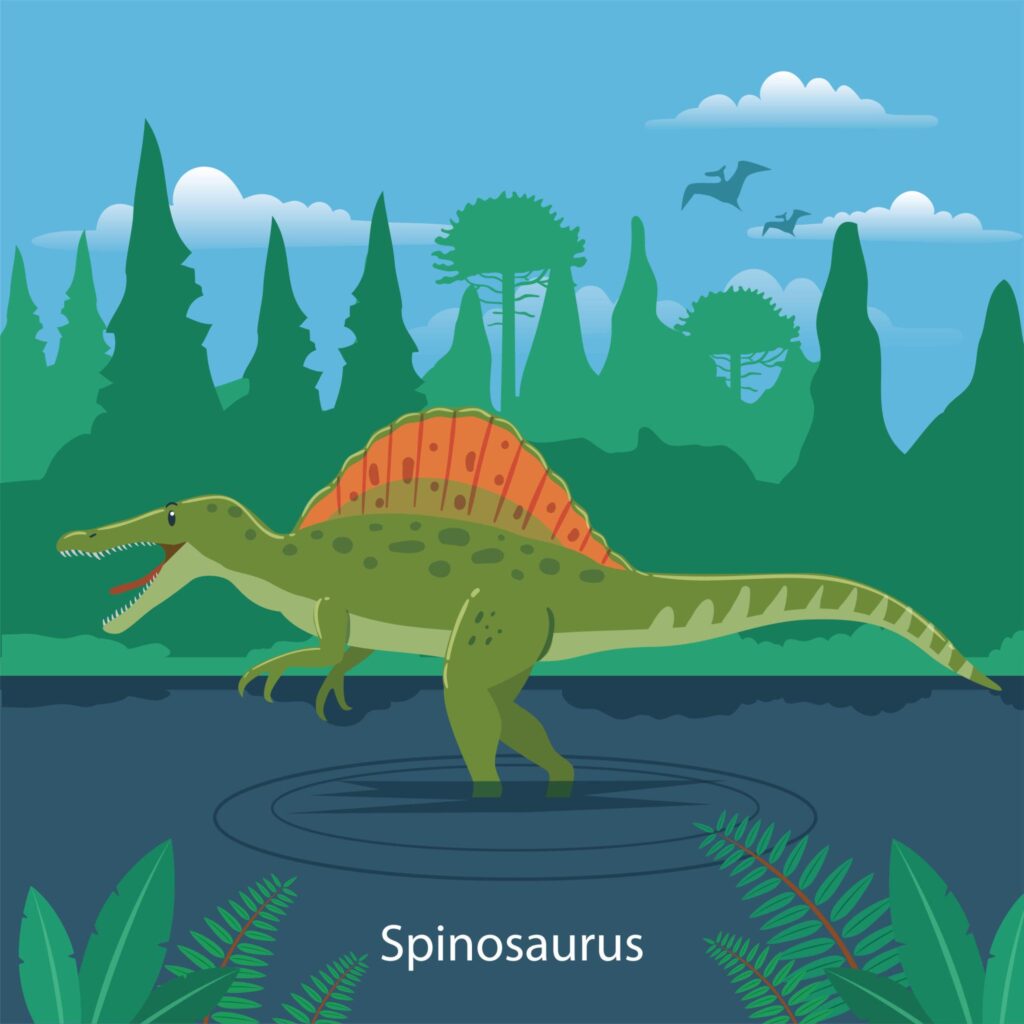
The region where S. mirabilis was discovered in northern Niger is now one of the driest places on Earth, but during the Late Cretaceous it was remarkably different — a lush network of rivers and wetlands teeming with life. Unlike earlier discoveries of spinosaurid bones near ancient coastlines, these fossils were found deep inland, hundreds of miles from any prehistoric shore. This suggests that, rather than being fully aquatic, this species was a semi-aquatic wader that stalked fish in shallow rivers much like a giant heron or “hell heron,” as researchers describe it.
Fossils from different individuals found at the site indicate this dinosaur may have been around 40 feet (12–13 meters) long and weighed between 5 and 7 tons — comparable in size to T. rex and one of the largest known predatory dinosaurs of its era.
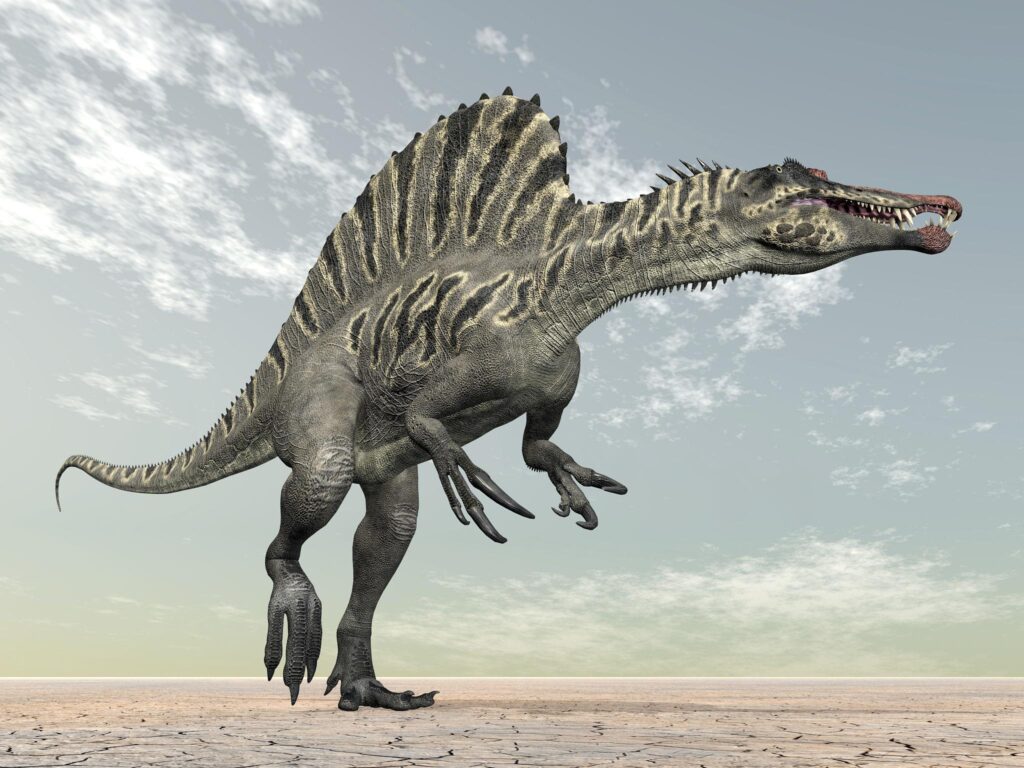
This inland habitat challenges previously held beliefs that spinosaurids were primarily coastal and possibly fully aquatic. The new evidence indicates they may have been adapted for a wider range of environments, thriving both by rivers and around water bodies across Africa’s ancient landscapes.
Scientific Significance and Evolutionary Impact
The discovery of Spinosaurus mirabilis shakes up decades of paleontological thinking. Previous models of spinosaurid behavior emphasized adaptation toward aquatic lifestyles — even comparing some species to crocodile-like swimmers. However, the inland context of these fossils supports a semi-aquatic interpretation where the dinosaur instead excelled at wading and ambushing fish in shallow waters.
Additionally, the distinctive skull crest introduces fresh clues about dinosaur communication and display. In modern animals such as cassowaries or other cassowary-like birds, similar bony projections support keratinized sheaths used for visual signaling. This suggests S. mirabilis might have used its scimitar crest for social interaction, attracting mates, or intimidating rivals — behaviors seldom inferred from fossil bones.
Experts also note that more fossils are needed to fully understand how this species relates to its better-documented relative, Spinosaurus aegyptiacus. However, with every new bone and analysis, scientists come closer to building a clearer evolutionary picture of these ancient predators and their world.
Why This Matters Now
This discovery is not simply a new name in a long list of extinct species — it is a scientific milestone that fundamentally changes our understanding of dinosaur diversity, behavior, and prehistoric ecosystems. For the first time in over a century, researchers have identified a spinosaurid with features that defy previous classifications and assumptions. This breakthrough will become a cornerstone reference in future paleontological research.
The Ongoing Legacy of the Sahara Fossils
The Sahara has long been a treasure trove of ancient life. From soaring sauropods to now scimitar-crested spinosaurids, each new find contributes critical data that helps scientists reconstruct ancient Earth’s biodiversity. The S. mirabilis fossils add to this legacy — proving that the desert’s bones can still surprise and teach us about life 95 million years ago.
As researchers continue excavations and pursue fossils in remote landscapes, we can expect even more revelations that expand our knowledge of how dinosaurs lived, evolved, and interacted with their environments. This discovery underscores the value of international collaboration, technological advances in fossil reconstruction, and the unending potential for science to rewrite history.
Subscribe to trusted news sites like USnewsSphere.com for continuous updates.