Former CNN journalist Don Lemon was arrested and charged by federal authorities after he covered an anti-ICE protest inside a Minnesota church — sparking a heated national debate over press freedom, religious rights, and the First Amendment. Lemon, who livestreamed portions of the event and interviewed participants, says he was reporting in his role as an independent journalist, not protesting.
This matters now because it pits two foundational American principles — the free press and freedom of worship — against each other in a rare federal case, raising questions about how far journalists can go when reporting on protests that take place inside places of worship. Many media advocates warn that the government’s action may set a troubling precedent for journalists nationwide.
What Led to the Arrest
On January 18, 2026, an anti-immigration enforcement protest broke out during a Sunday service at Cities Church in St. Paul, Minnesota — a congregation led in part by a pastor who also serves in a leadership position with U.S. Immigration and Customs Enforcement (ICE). The presence of federal immigration officials in a church setting sparked heated emotions among demonstrators.
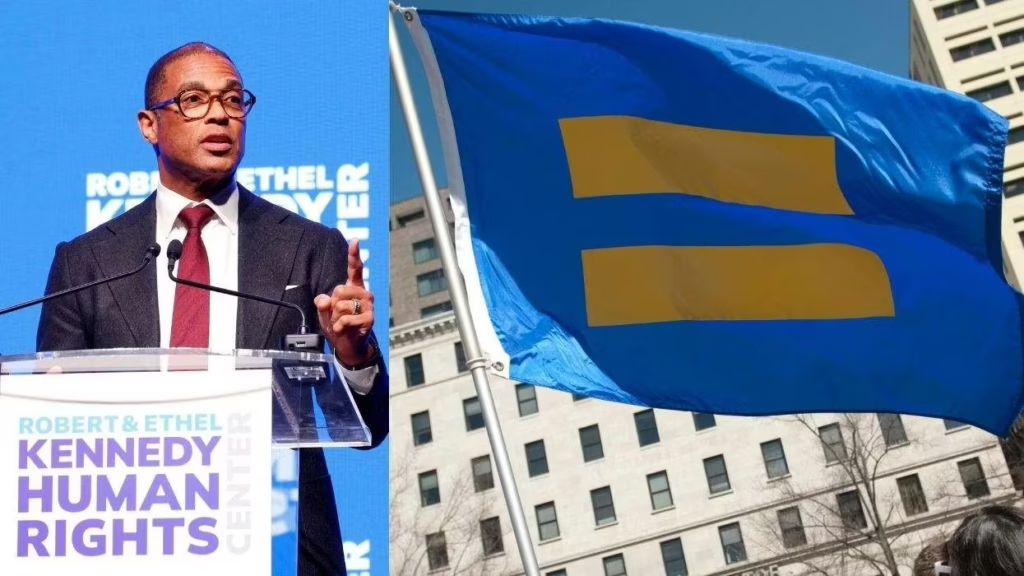
Mr. Lemon, reporting independently after leaving CNN, followed the protest into the church and streamed video footage on social media, interviewing protesters and congregants. Prosecutors later claimed this activity amounted to interference with religious worship under federal civil rights laws, including the Freedom of Access to Clinic Entrances (FACE) Act and civil rights conspiracy statutes.
A federal grand jury in Minnesota subsequently indicted Lemon and several others on charges of conspiracy and infringing on the religious freedoms of worshippers, according to the Department of Justice.
Government and Bondi’s Response
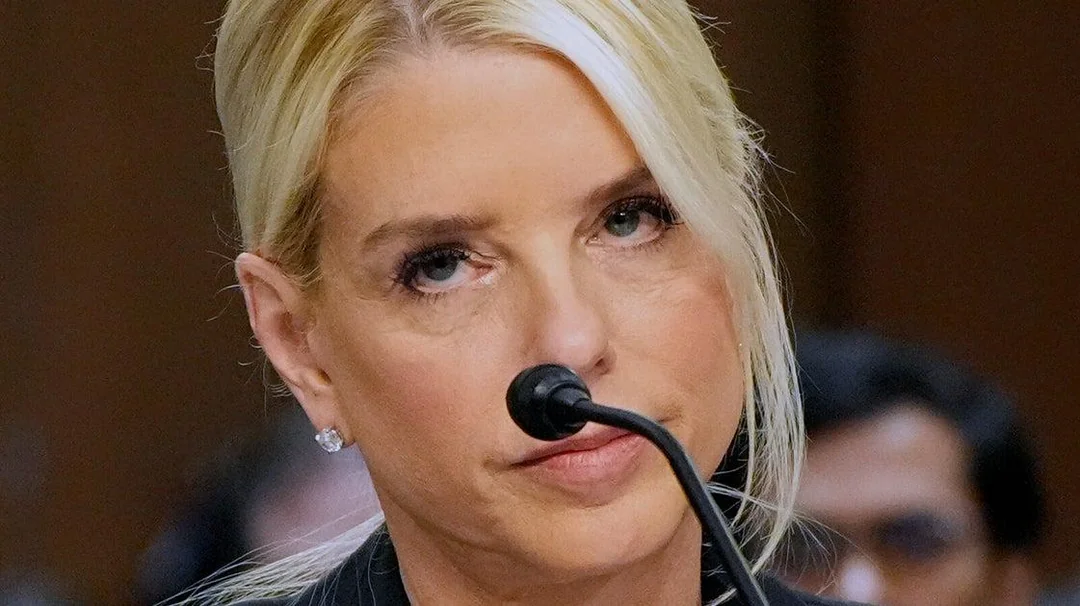
Attorney General Pam Bondi (87th U.S. Attorney General under President Donald Trump) took personal credit for directing arrests tied to the incident, describing the demonstrators’ actions as a “coordinated attack” on a house of worship. Bondi stated publicly that protecting the right to worship freely and safely was a priority and that violations of that sacred right would be prosecuted.
Bondi’s public posts emphasized the administration’s stance that protests that disrupt religious services — even during peaceful demonstrations — could violate federal law. This framing has been widely circulated and amplified across media outlets and on social platforms.
Lemon’s Side: Press Freedom and First Amendment Alarm
Mr. Lemon denies the charges, arguing he was present strictly to report on the protest and that his actions are protected by the First Amendment, which guarantees freedom of the press. His attorney has called the arrest an “attack on press freedom and journalistic independence.”
Press advocacy groups, civil rights leaders, and several Democratic lawmakers have expressed alarm, suggesting the government’s actions could chill reporting on protests and critical events. They contend that journalists should not be prosecuted for documenting public demonstrations, even when those events intersect with deeply sensitive settings such as worship services.
National Impact and Broader Debate
This case extends beyond Lemon personally. It has become a flashpoint in a broader national conversation about how the government defines protest participation versus journalism, especially in politically charged environments. Critics argue that placing legal liability on journalists for reporting on protests — particularly those involving immigration and religious settings — could harm press freedom and democratic accountability.
Supporters of the government’s approach argue that religious services deserve heightened legal protection, and that actions perceived to interfere with peaceful worship — even under the banner of reporting — must be scrutinized under civil rights statutes.
What Happens Next
Lemon and others arrested have been released without bail after initial court appearances and are scheduled for future proceedings, with Lemon expected to enter formal pleas and continue legal defense.
Observers expect the case to go beyond criminal courtrooms, potentially influencing future legal interpretations of the First Amendment and defining how journalists operate when protests and religious settings intersect. Many press advocates are calling for clearer protections to shield reporters from prosecution when covering events of public interest.
Why This Matters Now
In a politically polarized era where immigration, religion, and media freedom are front-and-center issues, this case crystallizes the friction between law enforcement priorities and constitutional rights. It highlights how reporting on protests can quickly morph into legal and political battlegrounds.
Subscribe to trusted news sites like USnewsSphere.com for continuous updates.